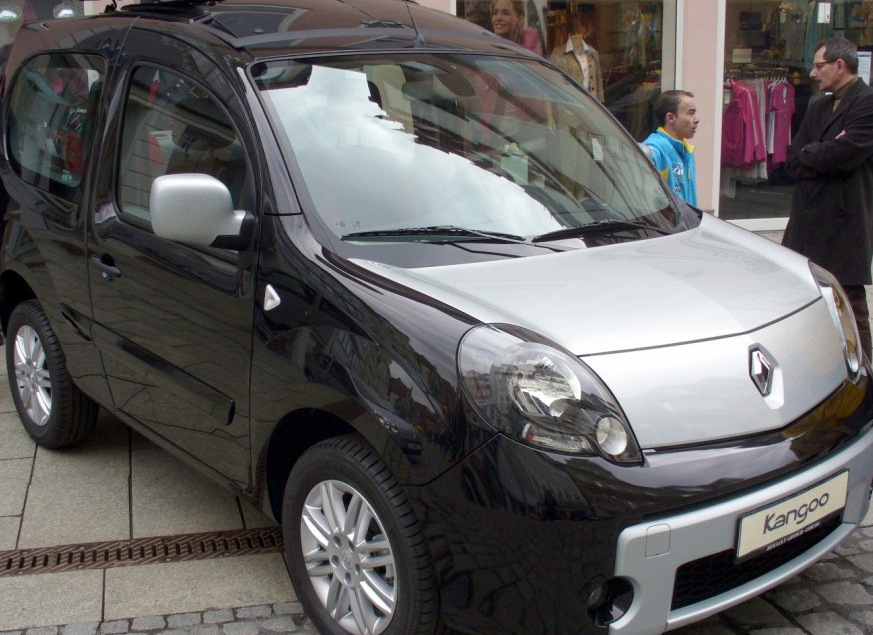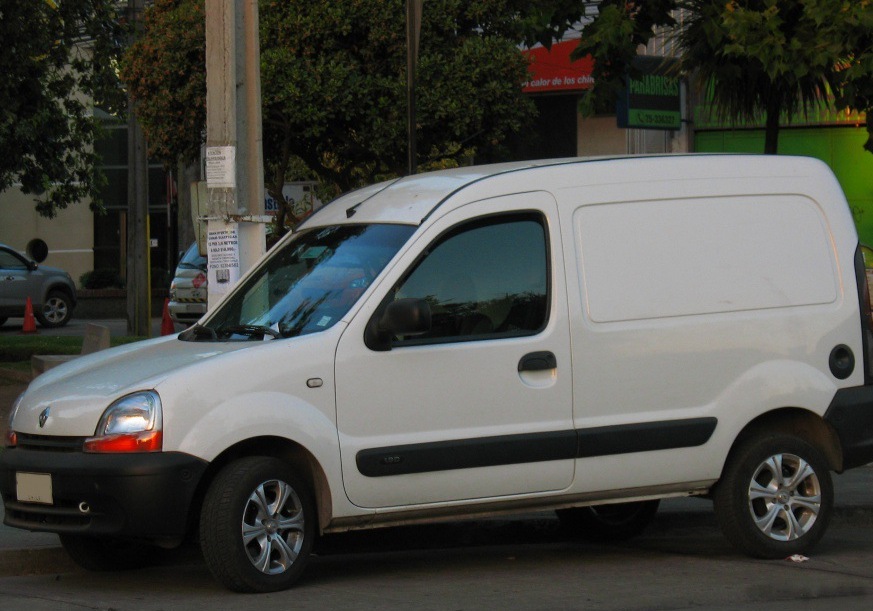
The Renault Kangoo I Express (FC) 1.2i 16V, produced from 1999 to 2003, represented an entry-level offering within the first generation Kangoo range. Positioned as a practical and economical commercial vehicle, the Kangoo Express catered to small businesses and tradespeople requiring a versatile and compact van. This particular variant, with its 1.2-liter engine and 75 horsepower output, was designed for urban environments and shorter distances, prioritizing fuel efficiency over outright performance. It played a significant role in establishing the Kangoo as a popular choice in the European light commercial vehicle segment.
Technical Specifications
| Brand | Renault |
| Model | Kangoo |
| Generation | Kangoo I Express (FC) |
| Type (Engine) | 1.2i 16V (75 Hp) |
| Start of production | 1999 year |
| End of production | 2003 year |
| Powertrain Architecture | Internal Combustion engine |
| Body type | Minivan |
| Seats | 2 |
| Doors | 3 |
| Fuel consumption (urban) | 9 l/100 km (26.1 US mpg, 31.4 UK mpg, 11.1 km/l) |
| Fuel consumption (extra urban) | 5.9 l/100 km (39.9 US mpg, 47.9 UK mpg, 16.9 km/l) |
| Fuel consumption (combined) | 7 l/100 km (33.6 US mpg, 40.4 UK mpg, 14.3 km/l) |
| CO2 emissions | 165 g/km |
| Fuel Type | Petrol (Gasoline) |
| Acceleration 0 – 100 km/h | 13.5 sec |
| Acceleration 0 – 62 mph | 13.5 sec |
| Acceleration 0 – 60 mph | 12.8 sec |
| Maximum speed | 148 km/h (91.96 mph) |
| Weight-to-power ratio | 14.2 kg/Hp, 70.4 Hp/tonne |
| Weight-to-torque ratio | 10.1 kg/Nm, 98.6 Nm/tonne |
| Power | 75 Hp @ 5500 rpm |
| Power per litre | 65.3 Hp/l |
| Torque | 105 Nm @ 4250 rpm (77.44 lb.-ft. @ 4250 rpm) |
| Engine layout | Front, Transverse |
| Engine Model/Code | D7F |
| Engine displacement | 1149 cm3 (70.12 cu. in.) |
| Number of cylinders | 4 |
| Engine configuration | Inline |
| Cylinder Bore | 69 mm (2.72 in.) |
| Piston Stroke | 76.8 mm (3.02 in.) |
| Compression ratio | 9.8:1 |
| Number of valves per cylinder | 4 |
| Fuel injection system | Multi-port manifold injection |
| Engine aspiration | Naturally aspirated engine |
| Valvetrain | DOHC |
| Engine oil capacity | 4 l (4.23 US qt | 3.52 UK qt) |
| Coolant | 4.5 l (4.76 US qt | 3.96 UK qt) |
| Kerb Weight | 1065 kg (2347.92 lbs.) |
| Max. weight | 1615 kg (3560.47 lbs.) |
| Max load | 550 kg (1212.54 lbs.) |
| Trunk (boot) space – maximum | 2750 l (97.12 cu. ft.) |
| Fuel tank capacity | 50 l (13.21 US gal | 11 UK gal) |
| Max. roof load | 100 kg (220.46 lbs.) |
| Permitted trailer load with brakes (12%) | 785 kg (1730.63 lbs.) |
| Permitted trailer load without brakes | 495 kg (1091.29 lbs.) |
| Permitted towbar download | 75 kg (165.35 lbs.) |
| Length | 3995 mm (157.28 in.) |
| Width | 1663 mm (65.47 in.) |
| Width including mirrors | 2015 mm (79.33 in.) |
| Height | 1827 mm (71.93 in.) |
| Wheelbase | 2600 mm (102.36 in.) |
| Front track | 1405 mm (55.31 in.) |
| Rear (Back) track | 1415 mm (55.71 in.) |
| Front overhang | 692 mm (27.24 in.) |
| Rear overhang | 703 mm (27.68 in.) |
| Minimum turning circle | 10.95 m (35.93 ft.) |
| Drivetrain Architecture | The Internal combustion engine (ICE) drives the front wheels of the vehicle. |
| Drive wheel | Front wheel drive |
| Number of gears and type of gearbox | 5 gears, manual transmission |
| Front suspension | Spring Strut |
| Rear suspension | Trailing arm |
| Front brakes | Ventilated discs |
| Rear brakes | Drum |
| Assisting systems | ABS (Anti-lock braking system) |
| Steering type | Steering rack and pinion |
| Power steering | Hydraulic Steering |
| Tires size | 165/70 R14 T |
| Wheel rims size | 5.5J x 14 |
Powertrain & Engine Architecture
The Kangoo I Express 1.2i 16V utilized the Renault D7F engine, a four-cylinder, inline petrol engine with a displacement of 1149cc. This engine featured a double overhead camshaft (DOHC) valvetrain operating four valves per cylinder, contributing to improved breathing and efficiency. Fuel delivery was managed by a multi-port fuel injection system. The D7F engine, while not known for its high performance, was praised for its relative reliability and fuel economy. The 75 horsepower output was achieved at 5500 rpm, with a torque figure of 105 Nm (77.44 lb-ft) available at 4250 rpm. The engine was transversely mounted at the front of the vehicle. The transmission was a five-speed manual gearbox, chosen for its simplicity and cost-effectiveness in this entry-level trim.
Driving Characteristics
The 1.2i 16V Kangoo Express offered modest performance. Acceleration from 0-100 km/h (0-62 mph) took approximately 13.5 seconds, and the top speed was around 148 km/h (91.96 mph). The engine felt strained when fully loaded or tackling steep inclines. The five-speed gearbox was well-matched to the engine’s characteristics, providing adequate spacing for both urban driving and highway cruising. Compared to higher-output versions of the Kangoo, such as those equipped with the 1.6-liter engine, the 1.2i felt noticeably slower and less refined. However, the lighter engine weight contributed to nimble handling in city environments.
Equipment & Trim Levels
The Kangoo Express 1.2i 16V was typically equipped with basic, functional features. Standard equipment included power steering, a driver’s airbag, and a basic audio system. The interior was primarily focused on practicality, with durable plastic trim and cloth upholstery. Optional extras included air conditioning, central locking, and electric windows. The trim level was generally considered the base model, aimed at customers prioritizing affordability and functionality over luxury.
Chassis & Braking
The Kangoo I Express featured a simple yet effective chassis design. Front suspension utilized a MacPherson strut setup, while the rear employed a trailing arm configuration. This setup provided a reasonable balance between ride comfort and handling. Braking duties were handled by ventilated discs at the front and drum brakes at the rear. Anti-lock Braking System (ABS) was included as standard, enhancing safety. The relatively lightweight nature of the vehicle, combined with the modest engine output, meant that the braking system was generally adequate for its intended purpose.
Market Reception & Comparison
The Renault Kangoo I Express 1.2i 16V was well-received in the European market as a cost-effective and practical light commercial vehicle. Critics praised its fuel efficiency and maneuverability, particularly in urban settings. However, the engine’s lack of power was a common criticism, especially when the vehicle was fully loaded. Compared to other vans in its class, such as the Citroën Berlingo and Peugeot Partner, the Kangoo offered a competitive package in terms of price and practicality. The 1.6-liter Kangoo offered significantly more performance, but at a higher price point.
Legacy
The Renault Kangoo I Express 1.2i 16V, while not the most powerful or refined version of the Kangoo, proved to be a reliable and durable workhorse. The D7F engine, when properly maintained, is known for its longevity. Today, these vehicles can still be found in use, often with high mileage. In the used car market, they represent an affordable entry point into the light commercial vehicle segment, appealing to budget-conscious buyers. The Kangoo I, in general, established Renault as a major player in the small van market, paving the way for subsequent generations of the Kangoo.