
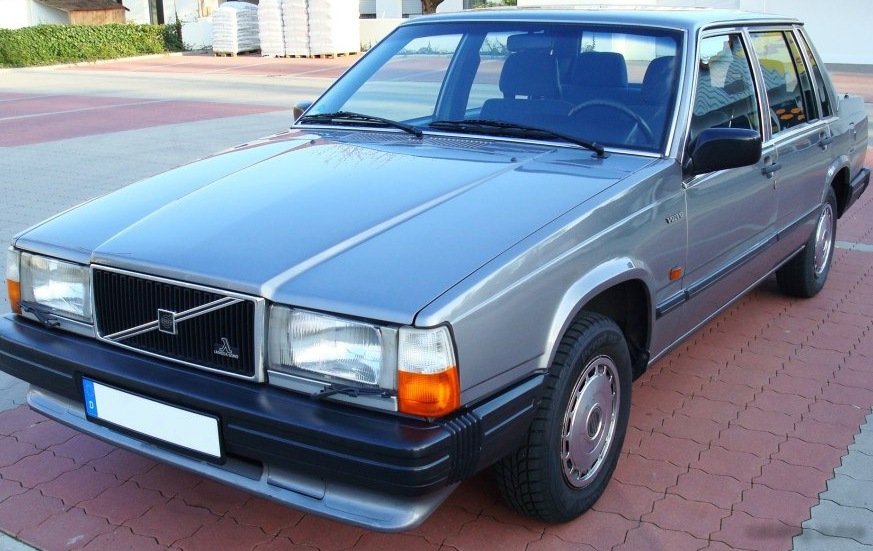
The Volvo 740 2.3 GL, produced between 1984 and 1990, represents a cornerstone of Volvo’s reputation for safety, durability, and understated practicality. Part of the 700 series (specifically the 740/744 designation denoting a four-door sedan), the 2.3 GL trim occupied a middle ground in the lineup, offering a balance between affordability and comfort. It was a popular choice for families and those seeking a reliable, long-lasting vehicle, particularly in Europe and North America. The 740 series, as a whole, was a significant departure for Volvo, embracing more modern engineering and styling while retaining the brand’s core values.
Technical Specifications
| Brand | Volvo |
| Model | 740 |
| Generation | 740 (744) |
| Type (Engine) | 2.3 GL (114 Hp) |
| Start of production | 1984 |
| End of production | 1990 |
| Powertrain Architecture | Internal Combustion engine |
| Body type | Sedan |
| Seats | 5 |
| Doors | 4 |
| Fuel Type | Petrol (Gasoline) |
| Power | 114 Hp |
| Engine Model/Code | B230K |
| Engine aspiration | Naturally aspirated engine |
| Engine oil capacity | 3.9 l (4.12 US qt | 3.43 UK qt) |
| Coolant capacity | 8.5 l (8.98 US qt | 7.48 UK qt) |
| Fuel tank capacity | 60 l (15.85 US gal | 13.2 UK gal) |
| Length | 4785 mm (188.39 in.) |
| Width | 1760 mm (69.29 in.) |
| Height | 1430 mm (56.3 in.) |
Powertrain & Engine Architecture
The heart of the 740 2.3 GL is the B230K engine, a 2.3-liter inline-four cylinder powerplant. This engine is a robust, oversquare design, known for its longevity and relatively simple mechanical layout. It features a cast iron block and an aluminum cylinder head, contributing to its durability. The B230K utilizes Bosch K-Jetronic mechanical fuel injection, a system favored for its reliability and resistance to tampering, though it can be less efficient than later electronic fuel injection systems. The engine employs a single overhead camshaft (SOHC) valvetrain with two valves per cylinder. While not particularly high-revving, the B230K delivers a broad torque curve, making it well-suited for everyday driving. The 114 horsepower output is achieved at approximately 5200 rpm, with peak torque of around 135 lb-ft at 3100 rpm. The engine was typically paired with a four-speed automatic transmission (AW71), known for its smooth operation but relatively conservative gear ratios. This transmission was sourced from Aisin-Warner, a Japanese manufacturer.
Driving Characteristics
The 740 2.3 GL with the automatic transmission offers a comfortable, if not particularly sporty, driving experience. Acceleration is adequate for merging onto highways and passing slower traffic, but it’s not a vehicle designed for quick sprints. The automatic transmission’s gear ratios prioritize fuel economy and smooth cruising over outright performance. Compared to the five-speed manual transmission available on other 740 models, the automatic version feels noticeably slower, especially in situations requiring rapid acceleration. The steering is relatively light and precise, providing good feedback for a vehicle of its era. The suspension, while tuned for comfort, provides a stable and predictable ride, even when fully loaded. The car’s substantial weight (around 2,800 lbs) contributes to its planted feel on the road.
Equipment & Trim Levels
The 2.3 GL trim level positioned the 740 as a well-equipped, mid-range offering. Standard features typically included cloth upholstery, power steering, a basic stereo system, and heated front seats – a particularly appreciated feature in colder climates. The dashboard layout is functional and straightforward, with clearly labeled controls. Optional extras included a sunroof, upgraded stereo systems, leather upholstery, and air conditioning. The interior trim was generally durable and well-built, reflecting Volvo’s commitment to quality. The GL trim also featured a more comprehensive array of exterior trim pieces compared to the base models, including chrome accents and body-colored bumpers.
Chassis & Braking
The 740 2.3 GL utilizes a traditional body-on-frame construction, contributing to its inherent strength and durability. The front suspension consists of MacPherson struts with stabilizer bar, while the rear suspension employs a solid axle with leaf springs. The braking system features disc brakes on the front wheels and drum brakes on the rear wheels. While adequate for normal driving conditions, the rear drum brakes are a point of criticism compared to the all-disc setups found on some higher-spec 740 models. The steering is a recirculating ball system, providing a stable but somewhat indirect feel. The car’s relatively high ground clearance makes it suitable for navigating rough roads and inclement weather.
Market Reception & Comparison
The Volvo 740 2.3 GL was generally well-received by automotive critics and consumers alike. It was praised for its safety features, reliability, and comfortable ride. However, the automatic transmission was often criticized for its sluggish performance compared to the manual gearbox. Compared to other trims in the 740 lineup, such as the turbocharged 740 Turbo, the 2.3 GL offered a more affordable and fuel-efficient option. The 740 Turbo provided significantly more power but came at a higher price and with increased fuel consumption. The 740 Diesel, while offering excellent fuel economy, was considerably slower and noisier. The 2.3 GL struck a balance between these extremes, appealing to a broad range of buyers.
Legacy
The Volvo 740 2.3 GL, and the 700 series as a whole, has earned a reputation as one of the most durable and reliable vehicles ever produced. The B230K engine is particularly renowned for its longevity, with many examples exceeding 300,000 miles with proper maintenance. Today, the 740 2.3 GL remains a popular choice among enthusiasts and those seeking a classic Volvo. Parts availability is generally good, and the car’s simple mechanical design makes it relatively easy to maintain and repair. While not a performance icon, the 740 2.3 GL represents a high point in Volvo’s history, embodying the brand’s commitment to safety, durability, and practicality. The automatic transmission models, while not as sought after as the manuals, offer a comfortable and reliable driving experience for those prioritizing ease of use over outright performance.
