
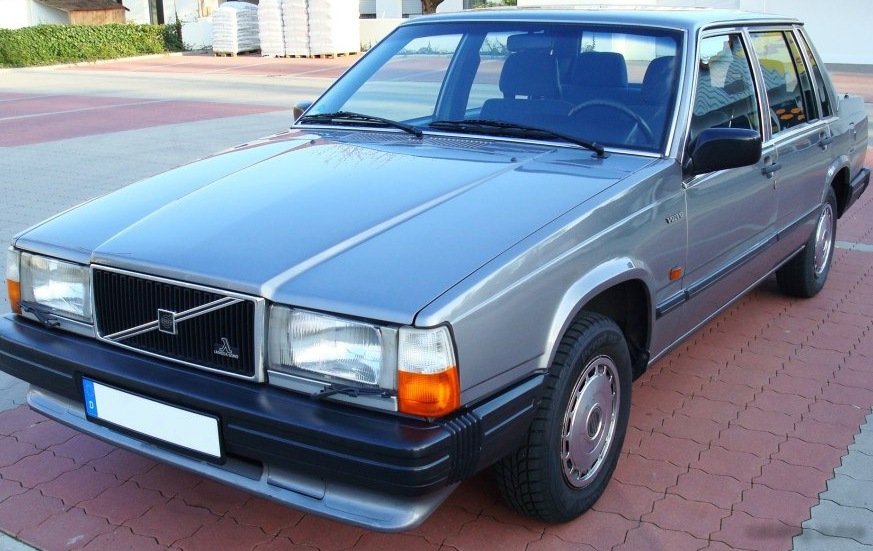
The Volvo 740 2.3 GLE, produced between 1985 and 1990, represents a significant iteration of Volvo’s popular 700-series. Falling within the 744 model designation (referring to the four-door sedan), the 2.3 GLE occupied a mid-range position in the 740 lineup, offering a balance of performance, comfort, and Volvo’s renowned safety features. It was a key model for Volvo during a period where the brand was solidifying its reputation for durable, practical, and safe vehicles, particularly in the North American market where the 740 series gained a loyal following. The 740 series, and the 744 specifically, was built on Volvo’s new platform, designed for front-wheel drive, but initially offered with rear-wheel drive configurations like the 2.3 GLE.
Technical Specifications
| Brand | Volvo |
| Model | 740 |
| Generation | 740 (744) |
| Type (Engine) | 2.3 GLE (131 Hp) |
| Start of production | 1985 |
| End of production | 1990 |
| Powertrain Architecture | Internal Combustion engine |
| Body type | Sedan |
| Seats | 5 |
| Doors | 4 |
| Fuel Type | Petrol (Gasoline) |
| Power | 131 Hp |
| Engine Model/Code | B230E |
| Engine aspiration | Naturally aspirated engine |
| Engine oil capacity | 3.9 l / 4.12 US qt / 3.43 UK qt |
| Coolant capacity | 9.3 l / 9.83 US qt / 8.18 UK qt |
| Fuel tank capacity | 60 l / 15.85 US gal / 13.2 UK gal |
| Length | 4785 mm / 188.39 in. |
| Width | 1760 mm / 69.29 in. |
| Height | 1430 mm / 56.3 in. |
Powertrain & Engine Architecture
The heart of the 740 2.3 GLE is the B230E engine, a 2.3-liter inline-four cylinder powerplant. This engine is a naturally aspirated, fuel-injected unit, representing a refinement of Volvo’s red-block engine family. The ‘E’ designation signifies the presence of Bosch K-Jetronic fuel injection, a mechanical fuel injection system known for its reliability and relatively simple design. The B230E features a cast iron block and an aluminum cylinder head, contributing to its durability. It utilizes a single overhead camshaft (SOHC) design with two valves per cylinder. The engine produces 131 horsepower and approximately 139 lb-ft of torque. The 740 2.3 GLE was typically paired with a four-speed automatic transmission (AW71), sourced from Aisin-Warner. This transmission was chosen for its smoothness and reliability, catering to buyers prioritizing comfort over outright performance. The automatic transmission featured electronic control, enhancing shift quality and responsiveness compared to earlier iterations.
Driving Characteristics
The 740 2.3 GLE with the automatic transmission delivers a comfortable and composed driving experience. Acceleration is adequate, with a 0-60 mph time estimated around 10-11 seconds. While not a sports car, the engine provides sufficient power for everyday driving and highway cruising. The automatic transmission’s gear ratios are geared towards fuel efficiency and smooth operation, rather than aggressive acceleration. Compared to the five-speed manual version of the 2.3 GLE, the automatic sacrifices some responsiveness and fuel economy. The manual transmission offered a more engaging driving experience and slightly quicker acceleration. Compared to the turbocharged 740 models (like the 740 Turbo), the 2.3 GLE’s performance is considerably more modest, but it benefits from greater reliability and lower running costs. The rear-wheel drive configuration provides balanced handling, although it lacks the all-weather capability of later front-wheel drive Volvos.
Equipment & Trim Levels
The 2.3 GLE trim level positioned the 740 as a well-equipped vehicle. Standard features typically included power steering, power front windows, central locking, and a basic audio system. The interior featured comfortable cloth upholstery, and a relatively straightforward dashboard layout. Optional extras included a sunroof, leather upholstery, upgraded audio systems, and cruise control. The GLE trim also often included upgraded interior trim pieces and exterior detailing compared to the base 740 models. Volvo’s emphasis on safety was evident even in the GLE trim, with standard features like three-point seatbelts for all occupants and a reinforced safety cage.
Chassis & Braking
The 740 2.3 GLE utilizes a traditional rear-wheel drive chassis with a MacPherson strut front suspension and a solid rear axle with leaf springs. This setup provides a comfortable ride, but it’s not particularly sporty. The braking system consists of disc brakes on the front wheels and drum brakes on the rear wheels. While adequate for normal driving, the rear drum brakes are a limitation compared to the all-disc brake systems found on some higher-performance models. Stabilizer bars are fitted to both the front and rear axles to reduce body roll during cornering. The chassis is robust and well-built, contributing to the 740’s reputation for durability.
Market Reception & Comparison
The Volvo 740 2.3 GLE was generally well-received by automotive critics and consumers alike. It was praised for its safety, reliability, and comfortable ride. However, some critics noted its relatively modest performance compared to competitors. Fuel economy was considered average for the time, around 18-22 mpg in mixed driving. Compared to other trims in the 740 lineup, the 2.3 GLE offered a good balance of features and price. The base 740 models were more affordable but lacked the GLE’s amenities, while the turbocharged models offered significantly more performance but came at a higher cost. The 740 2.3 GLE competed with other mid-size sedans from European manufacturers, such as the BMW 3-Series and Audi 80, but it distinguished itself with its emphasis on safety and practicality.
Legacy
The Volvo 740 2.3 GLE, and the 740 series as a whole, has earned a reputation as a remarkably durable and reliable vehicle. Many examples are still on the road today, a testament to their robust construction and relatively simple mechanical design. The B230E engine is known for its longevity, and the automatic transmission, while not particularly sophisticated, is generally reliable. In the used car market, the 740 2.3 GLE remains a popular choice for those seeking a classic Volvo with a reputation for dependability. Parts availability is generally good, and the car’s relatively simple mechanics make it accessible to home mechanics. The 740 series cemented Volvo’s image as a manufacturer of safe, reliable, and practical vehicles, and the 2.3 GLE played a significant role in that success.
