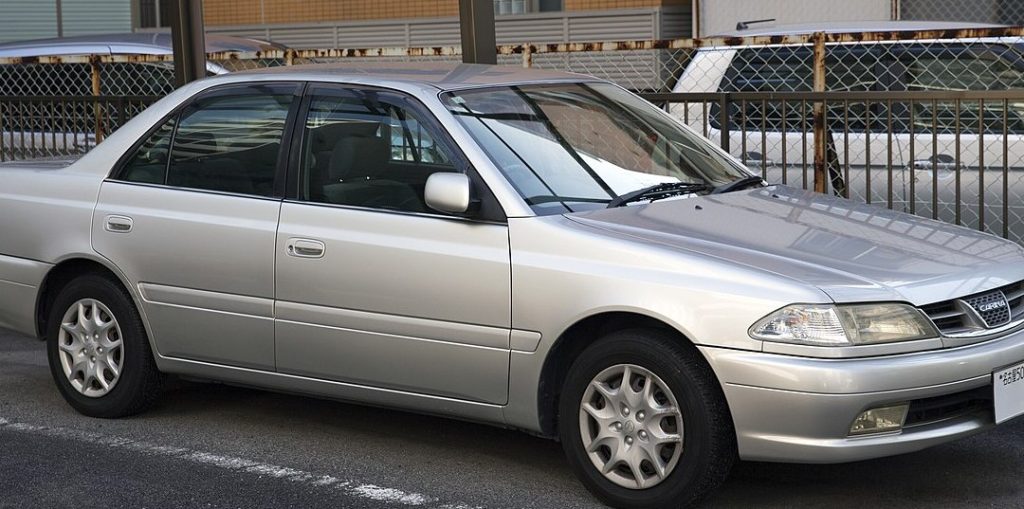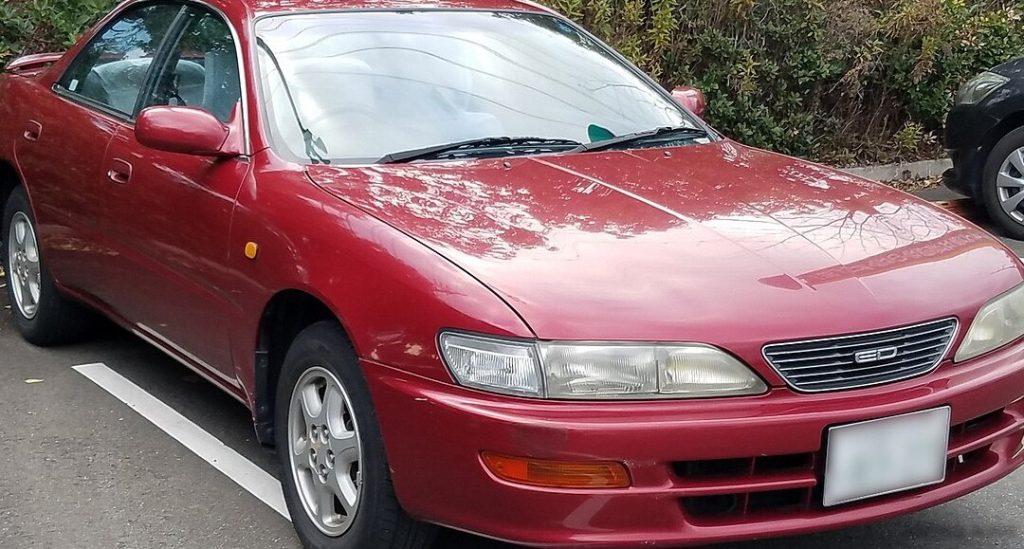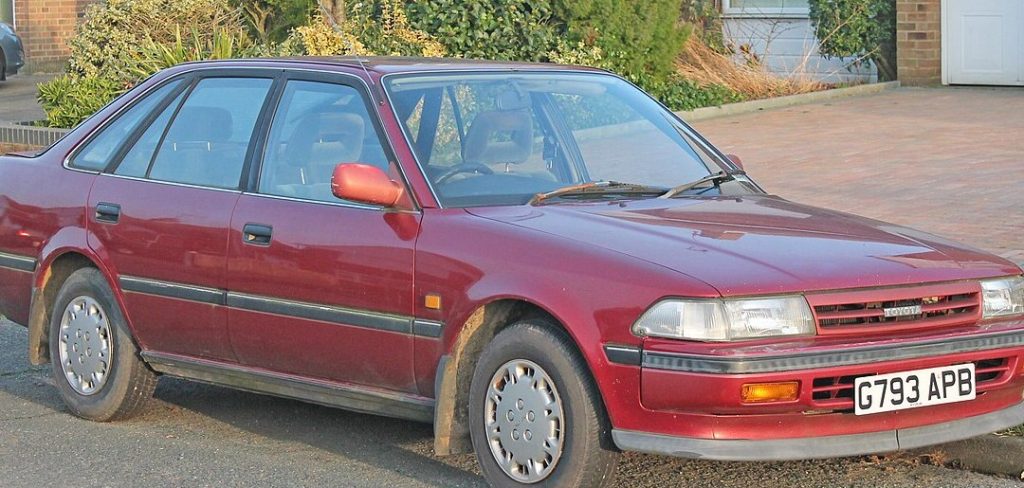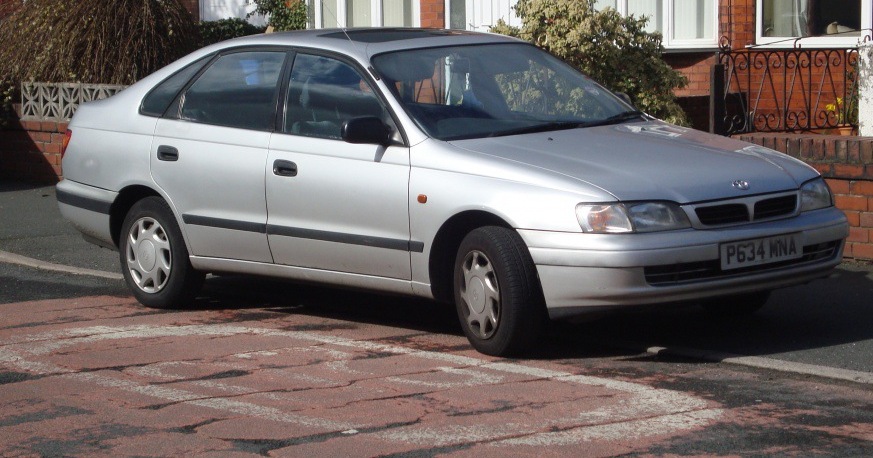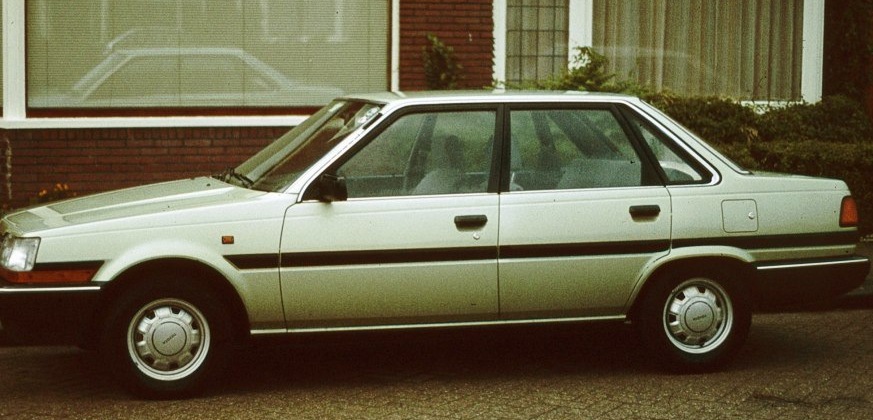
The Toyota Carina (T15) 1.8 GLI (ST150), produced between 1986 and 1988, represented a mid-range offering within the broader T15 Carina generation. Positioned as a comfortable and reliable family sedan, the 1.8 GLI aimed to balance performance with affordability, appealing to buyers seeking a step up from the base models without the expense of the higher-specification trims. The T15 Carina, built upon Toyota’s commitment to quality and durability, was primarily marketed in Japan, Europe, and Australia, serving as a competitor to vehicles like the Ford Sierra, Opel Ascona, and Mazda 626. This variant, with its 101 horsepower engine and automatic transmission, was designed for ease of use and everyday practicality.
Technical Specifications
| Brand | Toyota |
| Model | Carina |
| Generation | Carina (T15) |
| Type (Engine) | 1.8 GLI (ST150) (101 Hp) |
| Start of production | 1986 |
| End of production | 1988 |
| Powertrain Architecture | Internal Combustion engine |
| Body type | Sedan |
| Seats | 5 |
| Doors | 4 |
| Fuel Type | Petrol (Gasoline) |
| Power | 101 Hp |
| Engine Model/Code | 1S-iLU |
| Engine aspiration | Naturally aspirated engine |
| Engine oil capacity | 4 l (4.23 US qt | 3.52 UK qt) |
| Coolant capacity | 7 l (7.4 US qt | 6.16 UK qt) |
Powertrain & Engine Architecture
The heart of the Carina 1.8 GLI (ST150) is the 1S-iLU engine, a 1.8-liter (1786 cc) inline-four cylinder gasoline engine. This engine is naturally aspirated and features single overhead camshaft (SOHC) operation. The ‘i’ in the engine code denotes electronic fuel injection, a significant advancement for the time, contributing to improved fuel efficiency and reduced emissions compared to carbureted engines. The fuel injection system utilized a throttle body injection setup, providing a balance between cost and performance. The 1S-iLU engine produced 101 horsepower (75 kW) at 5,600 rpm and 138 Nm (102 lb-ft) of torque at 3,600 rpm. The engine’s design prioritized reliability and longevity over outright performance. Paired with this engine was a four-speed automatic transmission, offering smooth and convenient gear changes. This transmission was a common Toyota unit of the era, known for its durability, though not particularly sporty in its operation. The automatic transmission’s gear ratios were geared towards fuel economy and comfortable cruising rather than rapid acceleration.
Driving Characteristics
The driving experience in the Carina 1.8 GLI (ST150) with the automatic transmission is best described as comfortable and predictable. Acceleration is adequate for everyday driving, but it’s not a particularly quick car. The automatic transmission, while smooth, does detract from the engine’s available power, resulting in a noticeable delay during overtaking maneuvers. Compared to the five-speed manual transmission available on other Carina models, the automatic version feels somewhat sluggish. The gear ratios are spaced to prioritize fuel efficiency, meaning the engine often operates at lower RPMs during highway cruising. Steering is light and easy, making it well-suited for urban environments. The suspension is tuned for comfort, absorbing bumps and imperfections in the road reasonably well, though it doesn’t offer the same level of handling precision as some of its European competitors. The overall driving experience is geared towards providing a relaxed and hassle-free commute.
Equipment & Trim Levels
The 1.8 GLI trim level offered a reasonable level of equipment for its time. Standard features typically included power steering, central locking, electric windows, and a basic audio system. Interior upholstery was typically cloth, with a relatively simple dashboard layout. The GLI designation indicated a slightly higher level of trim compared to the base models, often including features like a more comprehensive instrument cluster and upgraded interior materials. Optional extras available for the Carina 1.8 GLI could include air conditioning, a sunroof, and upgraded audio systems. The exterior styling was relatively understated, with a focus on clean lines and practicality. The GLI trim often featured body-colored bumpers and door handles, differentiating it from the more basic models.
Chassis & Braking
The Carina T15 utilized a front-engine, rear-wheel-drive layout. The suspension consisted of MacPherson struts at the front and a semi-trailing arm suspension at the rear. The rear suspension on many models, including the 1.8 GLI, featured drum brakes, while the front brakes were disc brakes. This configuration was common for vehicles in this class during the 1980s, balancing cost and performance. Stabilizer bars were fitted to both the front and rear axles, helping to reduce body roll during cornering. The chassis was designed to provide a comfortable ride and reasonable handling characteristics. The steering system was a recirculating ball type, offering light and easy steering feel.
Market Reception & Comparison
The Toyota Carina 1.8 GLI (ST150) was generally well-received by automotive critics as a reliable and practical family sedan. However, the automatic transmission was often criticized for detracting from the engine’s performance. Compared to the manual transmission versions, the automatic felt noticeably slower. Fuel economy was considered good for its time, averaging around 30-35 mpg in mixed driving conditions. In terms of reliability, the Carina was highly regarded, benefiting from Toyota’s reputation for building durable vehicles. Compared to competitors like the Ford Sierra and Opel Ascona, the Carina offered a more refined and reliable driving experience, though it lacked the sporty handling characteristics of some European models. The 1.9 TDI versions, when available in certain markets, offered significantly better fuel economy and torque, but at a higher purchase price.
Legacy
The Toyota Carina T15, and specifically the 1.8 GLI (ST150) variant, has proven to be a remarkably durable vehicle. Many examples are still on the road today, a testament to Toyota’s engineering and build quality. The 1S-iLU engine is known for its longevity, and with proper maintenance, can reliably exceed 200,000 miles. In the used car market, these vehicles are often sought after by enthusiasts looking for a classic Japanese sedan that is both reliable and affordable. Parts availability can be a challenge in some regions, but many common components are still readily available. The Carina T15 represents a significant chapter in Toyota’s history, showcasing the company’s commitment to building high-quality, dependable vehicles.