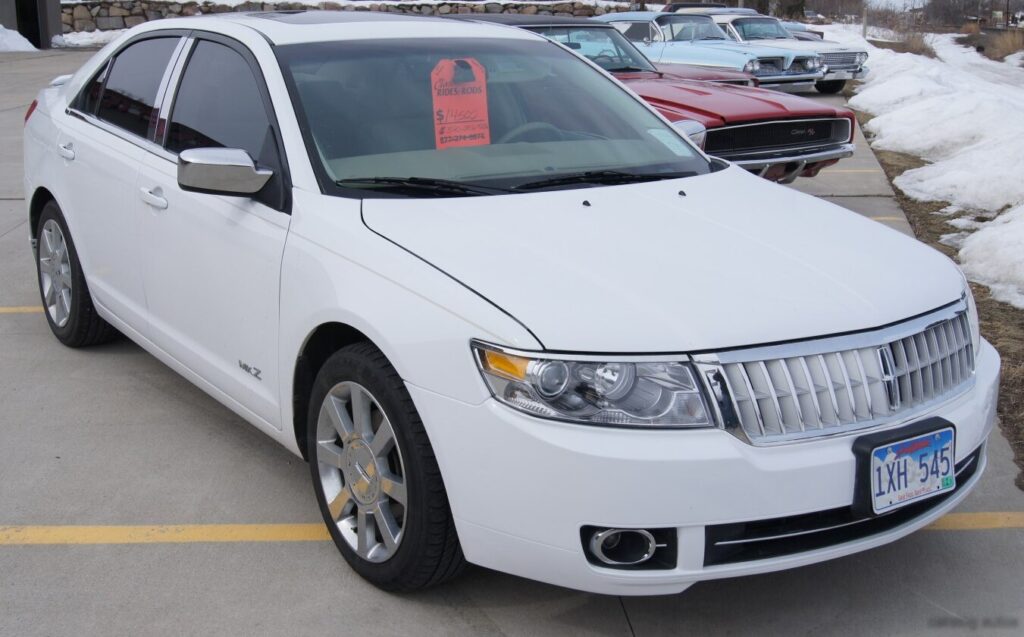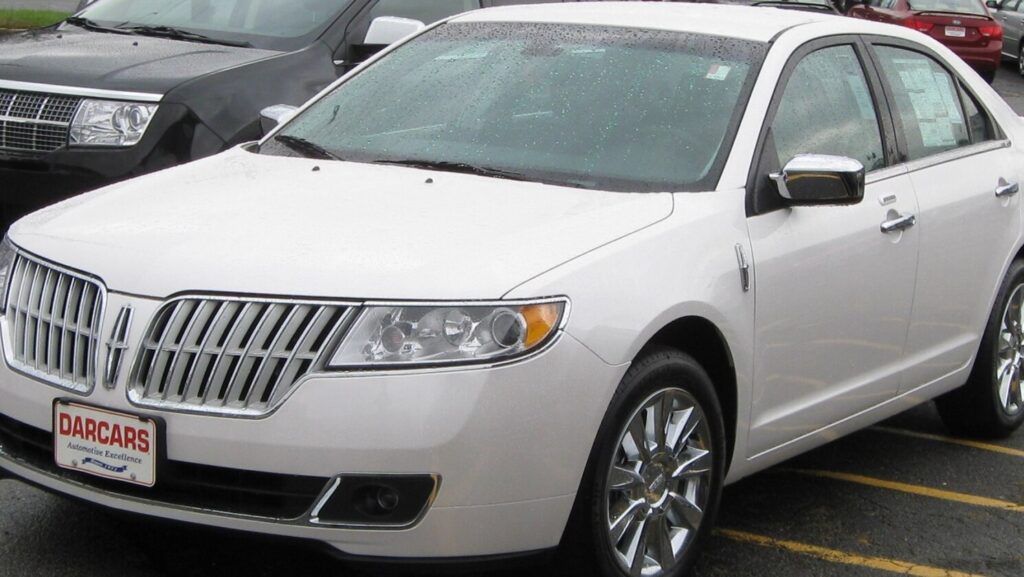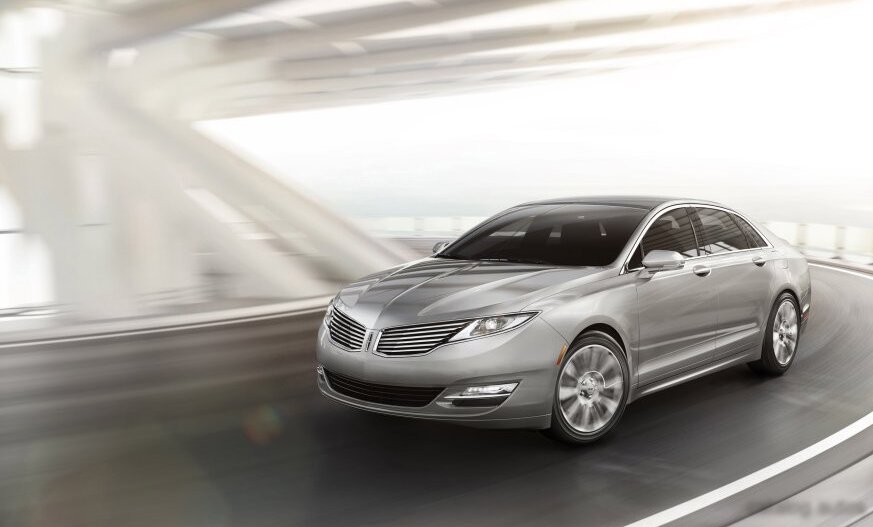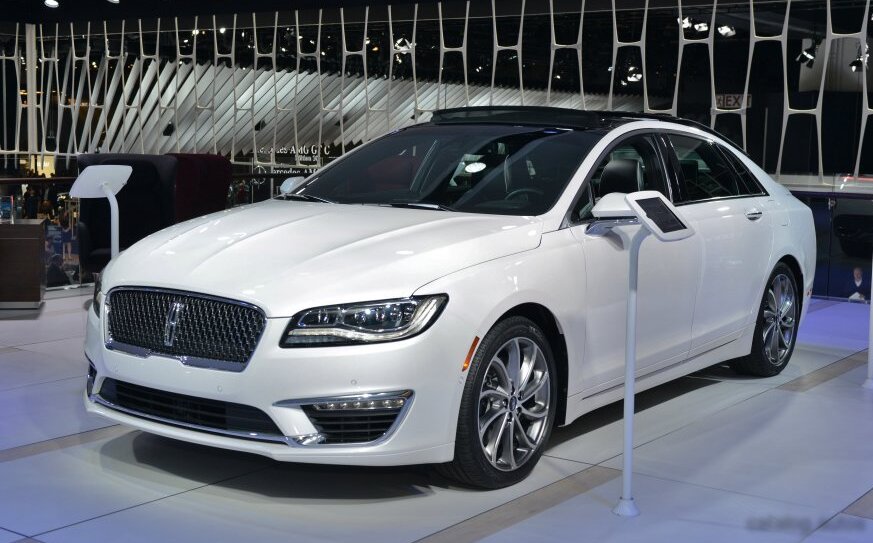
The Lincoln MKZ II, specifically the 2.0-liter Hybrid variant introduced with the 2017 facelift, represented Lincoln’s entry into the increasingly competitive mid-size luxury sedan segment with a focus on fuel efficiency and technology. Produced from 2016 to 2020, this model aimed to attract buyers seeking a premium experience without sacrificing practicality or environmental consciousness. It was positioned as a more accessible alternative to larger Lincoln models and offered a compelling blend of comfort, features, and hybrid powertrain technology. The MKZ II was built on the Ford CD4 platform, shared with the Ford Fusion and other Ford Motor Company vehicles.
Technical Specifications
| Brand | Lincoln |
| Model | MKZ |
| Generation | MKZ II (facelift 2017) |
| Type (Engine) | 2.0 (188 Hp) Hybrid eCVT |
| Start of production | 2016 |
| End of production | 2020 |
| Powertrain Architecture | FHEV (Full Hybrid Electric Vehicle) |
| Body type | Sedan |
| Seats | 5 |
| Doors | 4 |
| Fuel consumption (urban) | 5.7 l/100 km (41.3 US mpg) |
| Fuel consumption (extra urban) | 6.1 l/100 km (38.6 US mpg) |
| Fuel consumption (combined) | 5.8 l/100 km (40.6 US mpg) |
| Fuel Type | Petrol (Gasoline) |
| Weight-to-power ratio | 9.3 kg/Hp |
| Weight-to-torque ratio | 10 kg/Nm |
| Gross battery capacity | 1.4 kWh |
| Electric motor power | 120 Hp |
| System power | 188 Hp @ 6000 rpm |
| System torque | 175 Nm @ 4000 rpm (129.07 lb.-ft. @ 4000 rpm) |
| Internal combustion engine power | 141 Hp @ 6000 rpm |
| Internal combustion engine torque | 175 Nm @ 4000 rpm (129.07 lb.-ft. @ 4000 rpm) |
| Engine layout | Front, Transverse |
| Engine Model/Code | Duratec |
| Engine displacement | 1999 cm3 (121.99 cu. in.) |
| Number of cylinders | 4 |
| Engine configuration | Inline |
| Cylinder Bore | 87.5 mm (3.44 in.) |
| Piston Stroke | 83.1 mm (3.27 in.) |
| Compression ratio | 12.3:1 |
| Number of valves per cylinder | 4 |
| Fuel injection system | Multi-port manifold injection |
| Valvetrain | DOHC, iVCT |
| Engine oil capacity | 4.3 l (4.54 US qt | 3.78 UK qt) |
| Coolant capacity | 8.4 l (8.88 US qt | 7.39 UK qt) |
| Kerb Weight | 1756 kg (3871.32 lbs.) |
| Trunk (boot) space – maximum | 314 l (11.09 cu. ft.) |
| Fuel tank capacity | 51 l (13.47 US gal | 11.22 UK gal) |
| Length | 4925 mm (193.9 in.) |
| Width | 1864 mm (73.39 in.) |
| Height | 1476 mm (58.11 in.) |
| Wheelbase | 2850 mm (112.2 in.) |
| Front track | 1582 mm (62.28 in.) |
| Rear track | 1575 mm (62.01 in.) |
| Drag coefficient (Cd) | 0.30 |
| Minimum turning circle | 11.9 m (39.04 ft.) |
| Drive wheel | Front wheel drive |
| Number of gears and type of gearbox | automatic transmission eCVT |
| Front brakes | Ventilated discs |
| Rear brakes | Disc |
| Assisting systems | ABS (Anti-lock braking system) |
| Steering type | Steering rack and pinion |
| Power steering | Electric Steering |
| Tires size | 245/45 R18 |
| Wheel rims size | 18 |
Powertrain & Engine Architecture
The heart of the 2017+ Lincoln MKZ Hybrid is a 2.0-liter Duratec inline-four cylinder gasoline engine paired with an electric motor. The Duratec engine, utilizing multi-port fuel injection and a double overhead camshaft (DOHC) valvetrain with intelligent Variable Camshaft Timing (iVCT), produces 141 horsepower and 129 lb-ft of torque. The electric motor contributes an additional 120 horsepower, bringing the total system output to 188 horsepower. This powertrain utilizes a sophisticated full hybrid system, allowing for electric-only driving at low speeds and assisting the gasoline engine during acceleration. The eCVT (electronically controlled continuously variable transmission) seamlessly blends power from both sources, prioritizing fuel efficiency. The 1.4 kWh battery pack is relatively small compared to plug-in hybrids, focusing on regenerative braking and assisting the engine rather than providing extended all-electric range.
Driving Characteristics
The 2.0-liter Hybrid MKZ delivers a smooth and refined driving experience. While not offering the brisk acceleration of the optional 3.0-liter V6, the hybrid powertrain provides adequate power for everyday driving situations. The eCVT contributes to a seamless and linear power delivery, eliminating the shift shock associated with traditional automatic transmissions. The combined output of 188 hp results in a 0-60 mph time of around 8.5 seconds. Compared to the 3.0L V6 MKZ, the hybrid prioritizes fuel economy over outright performance. The eCVT is tuned for efficiency, sometimes resulting in a slight delay in response during aggressive acceleration. However, in normal driving conditions, the powertrain feels responsive and capable. The front-wheel-drive configuration provides predictable handling, and the suspension is tuned for comfort rather than sporty dynamics.
Equipment & Trim Levels
The 2.0-liter Hybrid was typically offered in well-equipped trims, often including features like leather upholstery, heated and ventilated front seats, a premium sound system, and a suite of advanced safety technologies. Standard equipment generally included a rearview camera, parking sensors, automatic climate control, and a touchscreen infotainment system with smartphone integration (Apple CarPlay and Android Auto). Optional extras included a navigation system, adaptive cruise control, lane-keeping assist, and a power moonroof. Interior materials were generally high-quality, reflecting Lincoln’s commitment to providing a luxurious experience. The dashboard layout was clean and modern, with a focus on intuitive controls.
Chassis & Braking
The MKZ II utilizes a front-wheel-drive chassis with independent front suspension and a multi-link rear suspension. The suspension is tuned for a comfortable ride, absorbing bumps and imperfections in the road effectively. Front brakes are ventilated discs, while rear brakes are solid discs. The standard anti-lock braking system (ABS) provides enhanced stopping power and control. The steering is electric power-assisted, offering a light and responsive feel. The MKZ’s weight, around 3871 lbs, is relatively moderate for a mid-size sedan, contributing to its manageable handling characteristics. Stabilizer bars are present at both the front and rear to reduce body roll during cornering.
Market Reception & Comparison
The 2017+ Lincoln MKZ Hybrid was generally well-received by critics, who praised its fuel efficiency, comfortable ride, and luxurious interior. However, some reviewers noted that its performance was not as engaging as some of its competitors, such as the Acura TLX or BMW 3 Series. Compared to the non-hybrid MKZ models, the hybrid variant offered significantly better fuel economy – achieving around 40.6 US mpg combined – but at a slightly higher initial cost. Reliability reports suggest that the hybrid powertrain is generally reliable, although some owners have reported minor issues with the battery pack over time. The MKZ Hybrid competed primarily with other mid-size luxury hybrids, such as the Lexus ES 300h and the Acura RLX Sport Hybrid.
Legacy
The Lincoln MKZ II 2.0-liter Hybrid represents a significant step forward in Lincoln’s efforts to offer fuel-efficient and technologically advanced vehicles. While the MKZ was discontinued in 2020, the hybrid powertrain technology developed for this model continues to influence Lincoln’s current lineup. On the used car market, the MKZ Hybrid remains a popular choice for buyers seeking a comfortable, reliable, and fuel-efficient luxury sedan. The powertrain, while not known for exceptional longevity, has proven to be reasonably durable with proper maintenance. The eCVT transmission, in particular, has a good reputation for reliability compared to some other continuously variable transmissions.