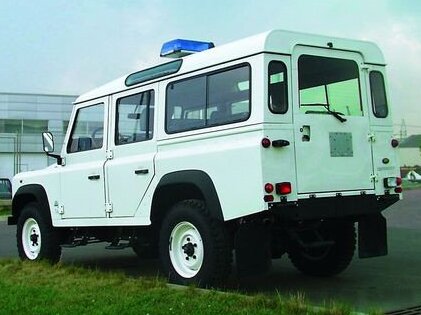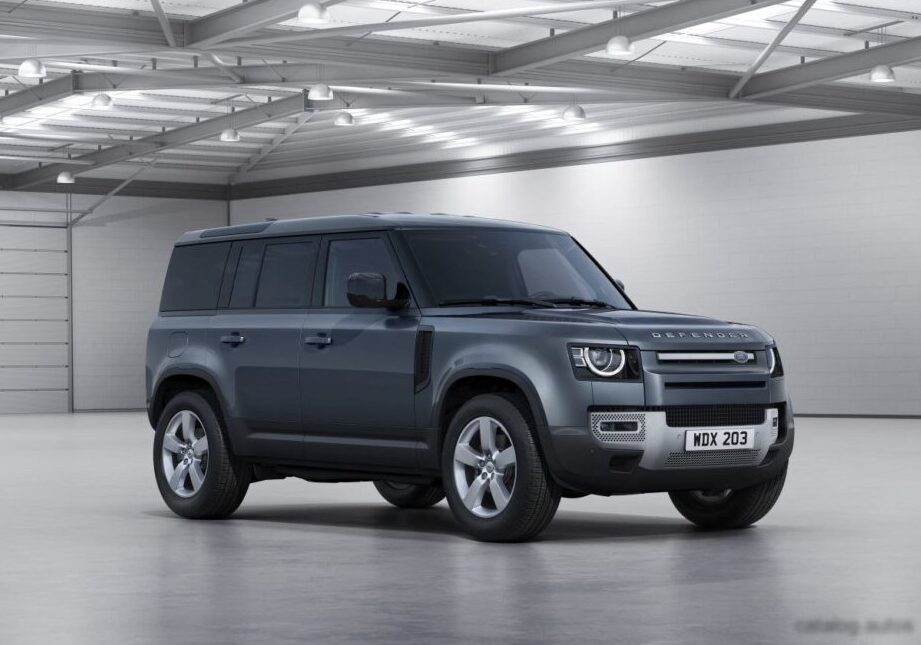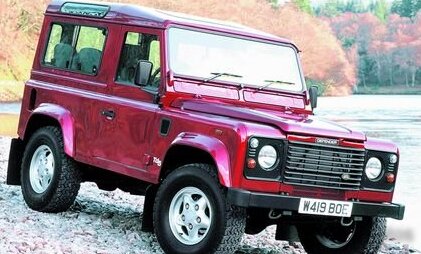
The Land Rover Defender 90 3.5 V8, produced from 1985 to 1998, represents a significant chapter in the lineage of Britain’s iconic off-road vehicle. This variant, powered by the Rover V8 engine, occupied a unique position within the Defender 90 range, offering a blend of performance and capability geared towards enthusiasts and those requiring a more powerful workhorse. It was part of the Series III stage 1 update, which saw significant changes to the original Land Rover design. The Defender 90, characterized by its short wheelbase, was particularly popular in Europe and other markets where maneuverability in tight spaces was valued, though a smaller number found their way to North America before import restrictions tightened.
Technical Specifications
| Brand | Land Rover |
| Model | Defender |
| Generation | Defender 90 |
| Type (Engine) | 3.5 V8 (134 Hp) |
| Start of production | 1985 |
| End of production | 1998 |
| Powertrain Architecture | Internal Combustion engine |
| Body type | Off-road vehicle |
| Seats | 6 |
| Doors | 2 |
| Fuel consumption (combined) | 17.5 l/100 km (13.4 US mpg, 16.1 UK mpg, 5.7 km/l) |
| Fuel Type | Petrol (Gasoline) |
| Maximum speed | 135 km/h (83.89 mph) |
| Weight-to-power ratio | 12.1 kg/Hp, 82.4 Hp/tonne |
| Weight-to-torque ratio | 6.4 kg/Nm, 155.5 Nm/tonne |
| Power | 134 Hp @ 5000 rpm |
| Power per litre | 38 Hp/l |
| Torque | 253 Nm @ 2500 rpm (186.6 lb.-ft. @ 2500 rpm) |
| Engine layout | Front, Longitudinal |
| Engine displacement | 3528 cm3 (215.29 cu. in.) |
| Number of cylinders | 8 |
| Engine configuration | V-engine |
| Cylinder Bore | 88.9 mm (3.5 in.) |
| Piston Stroke | 71.1 mm (2.8 in.) |
| Compression ratio | 8.1:1 |
| Number of valves per cylinder | 2 |
| Fuel injection system | Carburettor |
| Engine aspiration | Naturally aspirated engine |
| Kerb Weight | 1627 kg (3586.92 lbs.) |
| Max. weight | 2400 kg (5291.09 lbs.) |
| Max load | 773 kg (1704.17 lbs.) |
| Trunk (boot) space – minimum | 1600 l (56.5 cu. ft.) |
| Fuel tank capacity | 55 l (14.53 US gal | 12.1 UK gal) |
| Length | 3722 mm (146.54 in.) |
| Width | 1790 mm (70.47 in.) |
| Height | 2000 mm (78.74 in.) |
| Wheelbase | 2360 mm (92.91 in.) |
| Front track | 1486 mm (58.5 in.) |
| Rear (Back) track | 1486 mm (58.5 in.) |
| Drive wheel | All wheel drive (4×4) |
| Number of gears and type of gearbox | 5 gears, manual transmission |
| Front suspension | Rigid axle suspension |
| Rear suspension | Rigid axle suspension |
| Front brakes | Disc |
| Rear brakes | Drum |
| Assisting systems | ABS (Anti-lock braking system) |
| Tires size | 205/80 R16 S |
Powertrain & Engine Architecture
The heart of the Defender 90 3.5 V8 is the Rover 3.5-liter V8 engine, internally designated as the 14P engine. This engine, derived from the Buick-Oldsmobile-Pontiac V8 originally designed in the 1960s, had undergone significant development by Rover over the years. In its 134 horsepower guise, it utilized a single Zenith-Stromberg carburetor, a relatively simple fuel delivery system compared to later fuel-injected versions. The engine features a two-valve per cylinder configuration and a relatively low 8.1:1 compression ratio, prioritizing reliability and low-end torque over outright horsepower. The five-speed manual transmission, a robust unit, was the standard offering, providing a suitable gear spread for both on-road and off-road driving. The engine is longitudinally mounted, driving all four wheels through a transfer case.
Driving Characteristics
The 3.5 V8-powered Defender 90 offered a distinctly different driving experience compared to the four-cylinder or diesel variants. While not exceptionally quick, the V8 provided ample torque, making it capable of tackling challenging terrain with ease. The relatively low gearing, combined with the engine’s torque curve, allowed for confident low-speed crawling and effortless hill climbs. On the road, the Defender 90 3.5 V8 felt more relaxed at cruising speeds than its smaller-engined counterparts, though its handling was predictably agricultural due to the body-on-frame construction and live axle suspension. The manual transmission, while robust, required a firm hand and precise shifting. Compared to later, more refined Defenders, this variant offered a raw and visceral driving experience.
Equipment & Trim Levels
The Defender 90 3.5 V8 was typically equipped with basic, utilitarian features reflecting its intended purpose. Standard equipment included vinyl upholstery, rubber floor mats, and a simple dashboard layout. While not luxurious, the interior was durable and functional. Optional extras included features like door locks, upgraded seating, and a basic sound system. The trim level was largely dictated by the buyer’s needs, with options for additional lighting, winches, and roof racks for those intending to use the vehicle for more demanding tasks. The focus was on practicality and durability rather than creature comforts.
Chassis & Braking
The Defender 90 utilized a traditional body-on-frame construction, providing exceptional strength and durability. The chassis was a ladder frame design, well-suited to off-road conditions. Suspension consisted of leaf springs and live axles front and rear, offering a robust but somewhat bumpy ride. Braking was provided by disc brakes on the front wheels and drum brakes on the rear. While adequate for the vehicle’s weight and intended use, the braking system lacked the sophistication of more modern vehicles. An anti-lock braking system (ABS) was available as an option, improving braking performance on slippery surfaces.
Market Reception & Comparison
The Defender 90 3.5 V8 was generally well-received by enthusiasts who appreciated its combination of performance and off-road capability. Critics acknowledged its robust construction and capable powertrain, but also noted its lack of refinement and relatively high fuel consumption. Compared to the four-cylinder and diesel Defenders, the V8 variant offered a significant performance advantage, but at the cost of increased fuel bills and potentially higher maintenance costs. The V8 was often seen as the premium option within the Defender 90 range, appealing to those who prioritized performance and driving enjoyment over fuel economy.
Legacy
The Land Rover Defender 90 3.5 V8 holds a special place in the hearts of many Land Rover enthusiasts. Its robust construction, capable powertrain, and iconic design have ensured its enduring popularity. While the original Defender production ceased in 2016, the 3.5 V8 variant remains highly sought after by collectors and off-road enthusiasts. The Rover V8 engine, while now considered somewhat antiquated, is known for its reliability and relative simplicity, making it a relatively easy engine to maintain and repair. Today, well-maintained examples of the Defender 90 3.5 V8 command premium prices in the used car market, testament to its enduring appeal and iconic status.