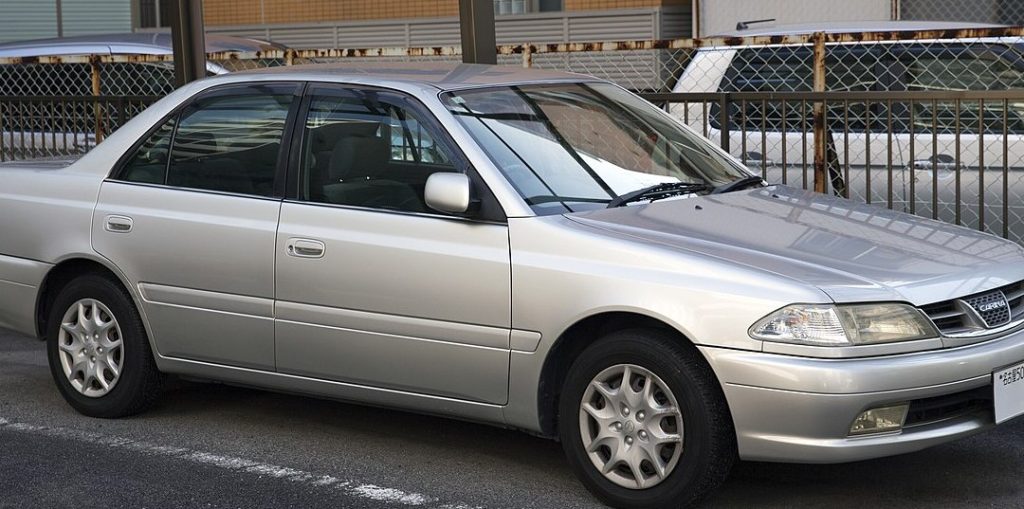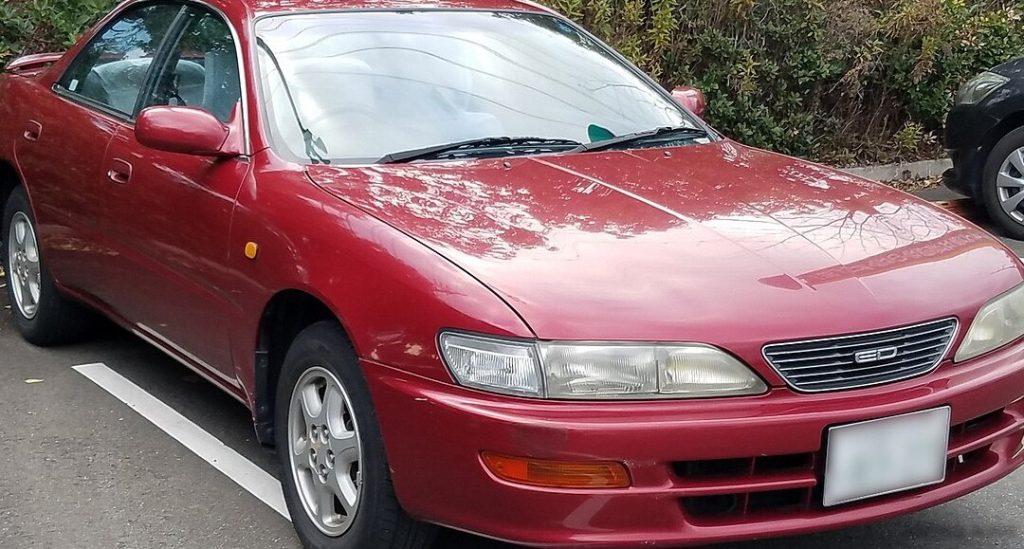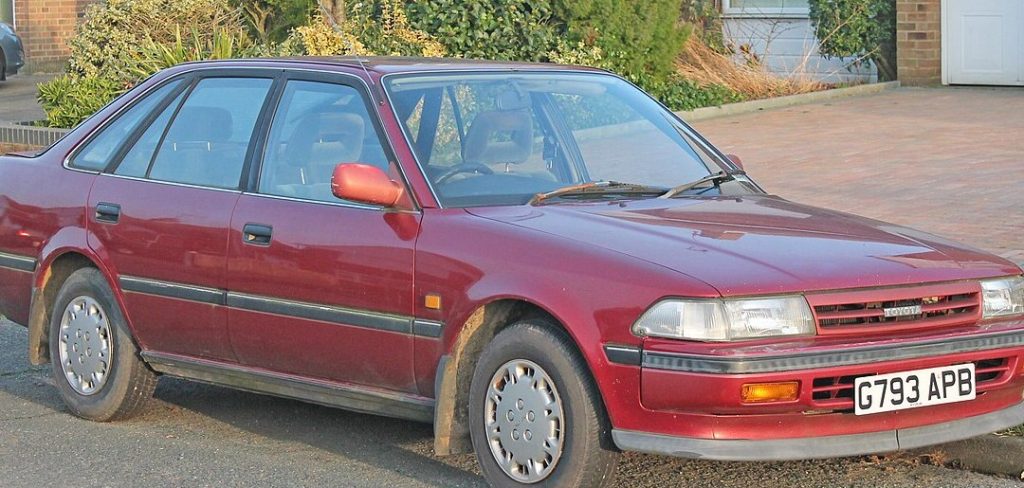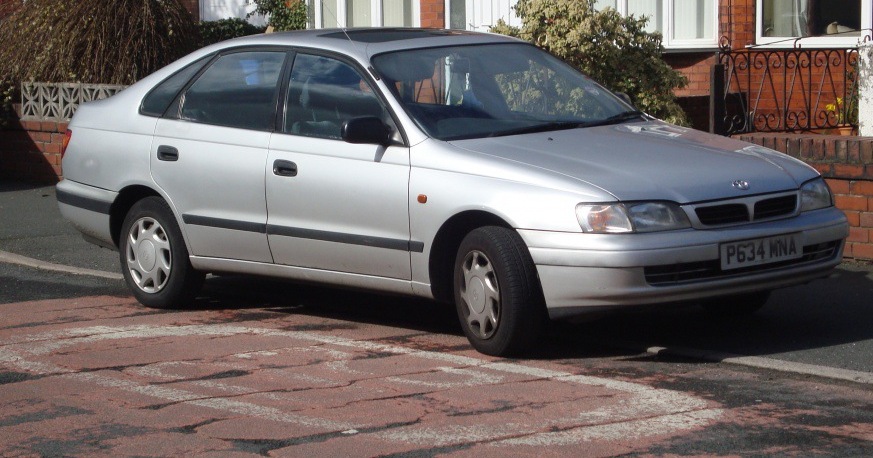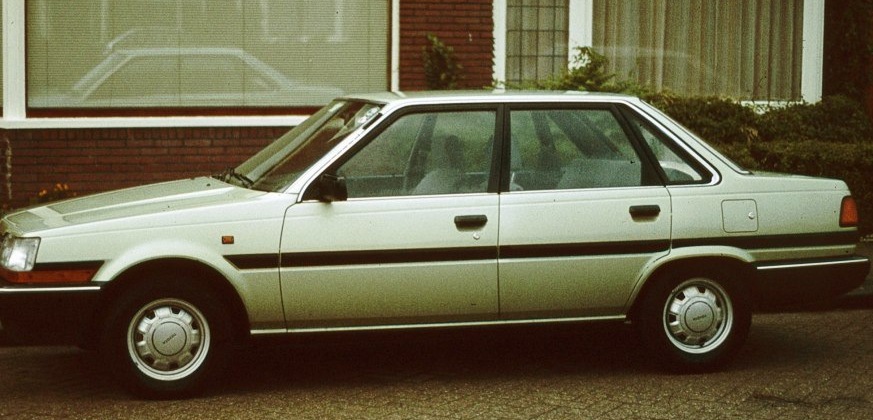
The Toyota Carina T15, produced between 1984 and 1988, represented a significant step forward for Toyota’s mid-size offerings. Positioned above the Corolla and below the larger Cressida, the T15 Carina aimed to provide a comfortable and reliable family sedan. Within the T15 range, the 2.0 D variant, powered by the 2C-L diesel engine producing 68 horsepower, occupied a specific niche. It was designed for buyers prioritizing fuel economy and durability over outright performance, particularly in European and Asian markets where diesel engines were gaining popularity. This model served as a practical and economical choice within the broader Carina lineup, which also included gasoline-powered options.
Technical Specifications
| Brand | Toyota |
| Model | Carina |
| Generation | Carina (T15) |
| Type (Engine) | 2.0 D (68 Hp) |
| Start of production | 1984 |
| End of production | 1988 |
| Powertrain Architecture | Internal Combustion engine |
| Body type | Sedan |
| Seats | 5 |
| Doors | 4 |
| Fuel Type | Diesel |
| Power | 68 Hp |
| Engine Model/Code | 2C-L |
| Engine aspiration | Naturally aspirated engine |
| Engine oil capacity | 4.3 l (4.54 US qt | 3.78 UK qt) |
| Coolant capacity | 7.3 l (7.71 US qt | 6.42 UK qt) |
Powertrain & Engine Architecture
The heart of the Carina 2.0 D was the 2C-L diesel engine. This 1998cc (2.0-liter) inline-four cylinder engine was a naturally aspirated, indirect injection diesel. The ‘2C’ series engines were known for their robustness and relatively simple design, prioritizing longevity over high output. The indirect injection system, common for diesels of this era, involved pre-combustion chambers which aided in smoother combustion and reduced engine noise compared to direct injection systems. The 2C-L featured a single overhead camshaft (SOHC) valvetrain operating two valves per cylinder. While not a particularly powerful engine, it delivered a respectable amount of torque for its displacement, making it well-suited for everyday driving and hauling passengers. Transmission options were limited, with a four-speed automatic transmission being a common pairing, though a five-speed manual was also available in some markets. The automatic transmission was designed for smooth operation and reliability, prioritizing comfort over sporty performance.
Driving Characteristics
The Carina 2.0 D with the automatic transmission wasn’t designed to be a performance car. Acceleration was modest, with a 0-60 mph time likely exceeding 12 seconds. The focus was on providing adequate power for cruising and overtaking, rather than spirited driving. The automatic transmission’s gear ratios were optimized for fuel efficiency and smooth transitions, rather than aggressive downshifts. The engine produced peak torque at relatively low RPMs, providing decent pulling power in everyday driving situations. Compared to the gasoline-powered Carina variants, the 2.0 D offered significantly lower fuel consumption, making it an attractive option for high-mileage drivers. However, it lacked the responsiveness and higher top speed of its gasoline counterparts. The manual transmission version offered slightly improved performance and driver engagement, but the automatic was the more popular choice for buyers seeking convenience.
Equipment & Trim Levels
The Carina 2.0 D typically came with a fairly standard level of equipment, reflecting its position as a practical family sedan. Base models featured cloth upholstery, a basic AM/FM radio, and manual windows and door locks. Higher trim levels, often denoted by suffixes like ‘DX’ or ‘LX’, added features such as power windows, central locking, and upgraded interior trim. Air conditioning was often an optional extra. The dashboard layout was functional and straightforward, with clearly labeled controls. Safety features were relatively basic for the time, typically including seatbelts and a collapsible steering column. The interior space was generous for a mid-size sedan, offering comfortable seating for five adults. Optional extras could include a sunroof, upgraded sound system, and alloy wheels.
Chassis & Braking
The Carina T15 utilized a conventional front-engine, rear-wheel-drive layout. Suspension consisted of MacPherson struts at the front and a live axle with leaf springs at the rear. This setup provided a comfortable ride, although it wasn’t particularly sporty. Steering was typically power-assisted, making it relatively easy to maneuver. Braking systems varied depending on the market and trim level. Base models often featured drum brakes on the rear wheels, while higher trim levels and some export markets received disc brakes all around. Front brakes were typically ventilated discs. Stabilizer bars were fitted to both the front and rear axles to reduce body roll during cornering. The chassis was designed for durability and reliability, prioritizing a comfortable ride over sharp handling.
Market Reception & Comparison
The Toyota Carina 2.0 D was generally well-received in markets where diesel engines were popular, such as Europe and Asia. Critics praised its fuel economy, reliability, and comfortable ride. However, it was often criticized for its lack of performance compared to gasoline-powered rivals. Compared to other diesel-powered sedans of the era, such as the Volkswagen Jetta Diesel or the Ford Sierra Diesel, the Carina offered a similar level of fuel efficiency and reliability, but often at a slightly higher price point. Within the Carina lineup, the 2.0 D was positioned as the entry-level diesel option, offering a more affordable alternative to the more powerful (and expensive) gasoline engines. Its main competitors were other mid-size diesel sedans offering similar practicality and economy.
Legacy
The Toyota Carina T15 2.0 D has proven to be a remarkably durable vehicle. Many examples are still on the road today, testament to the quality of Toyota engineering and the robustness of the 2C-L diesel engine. The engine itself is known for its longevity, often exceeding 200,000 miles with proper maintenance. However, finding parts can be increasingly challenging as the car ages. In the used car market, the Carina 2.0 D is valued for its simplicity, reliability, and fuel efficiency. It appeals to buyers seeking a classic, affordable, and dependable vehicle. While not a collector’s item, well-maintained examples are sought after by enthusiasts and those looking for a practical and economical classic car. The 2C-L engine, while not a powerhouse, remains a respected and reliable diesel powerplant.