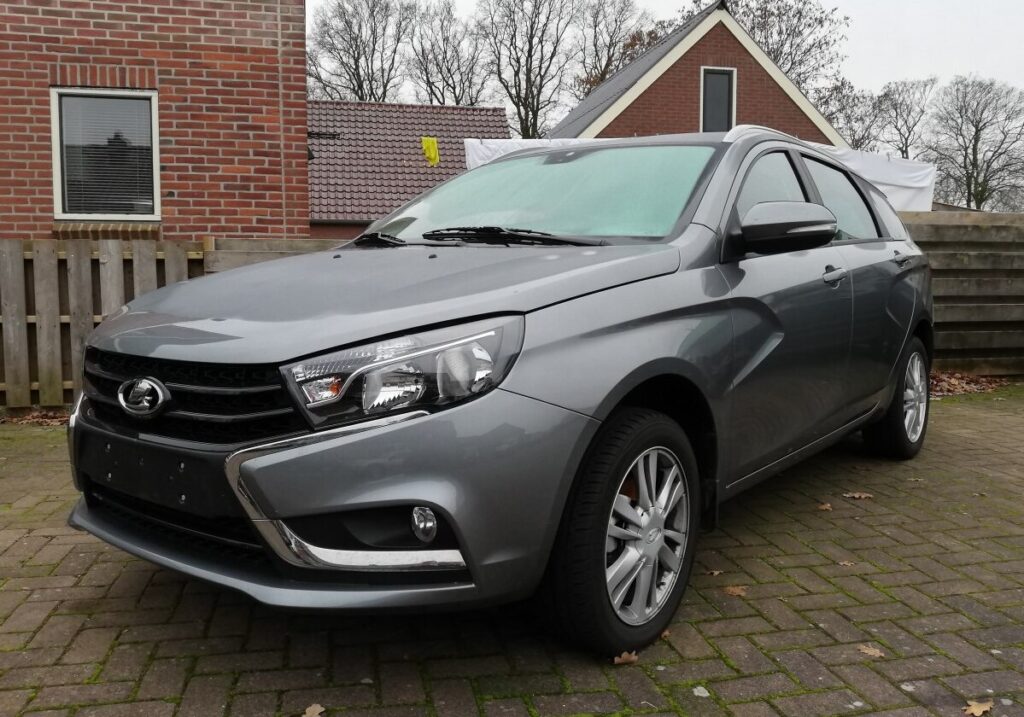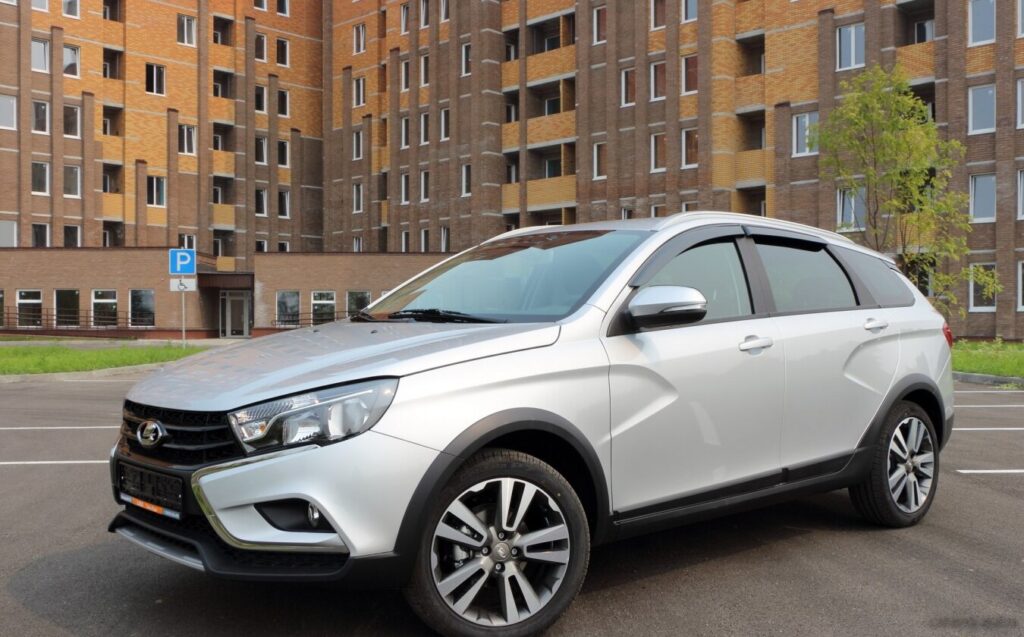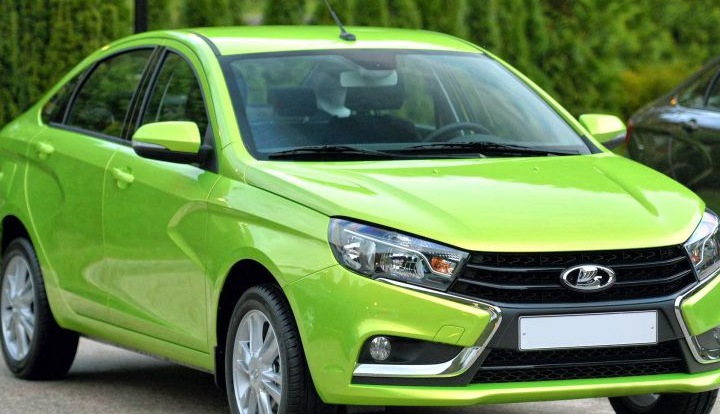
The Lada Vesta 1.8 Automatic, introduced in 2015, marked a significant advancement for AvtoVAZ, the Russian automaker. Positioned as a mid-range offering within the Vesta lineup, this variant aimed to provide a more accessible entry point to the modern Vesta platform while offering the convenience of an automatic transmission. The Vesta itself was designed to supersede the aging Lada Priora, delivering improvements in comfort, safety, and contemporary design. The combination of a 1.8-liter engine and a five-speed automatic transmission was intended to appeal to buyers who prioritized ease of use, particularly in urban driving conditions. Production continued with incremental updates through the late 2010s and into the early 2020s, solidifying the Vesta’s position as a popular choice in the Russian market.
Technical Specifications
| Brand | Lada |
| Model | Vesta |
| Generation | Vesta |
| Type (Engine) | 1.8 (122 Hp) Automatic |
| Start of production | 2015 |
| Powertrain Architecture | Internal Combustion engine |
| Body type | Sedan |
| Seats | 5 |
| Doors | 4 |
| Fuel consumption (urban) | 9.3 l/100 km (25.3 US mpg) |
| Fuel consumption (extra urban) | 6 l/100 km (39.2 US mpg) |
| Fuel consumption (combined) | 7.2 l/100 km (32.7 US mpg) |
| Fuel Type | Petrol (Gasoline) |
| Acceleration 0 – 100 km/h | 12.1 sec |
| Acceleration 0 – 62 mph | 12.1 sec |
| Acceleration 0 – 60 mph | 11.5 sec |
| Maximum speed | 186 km/h (115.58 mph) |
| Emission standard | Euro 5 |
| Weight-to-power ratio | 10.1 kg/Hp |
| Weight-to-torque ratio | 7.2 kg/Nm |
| Power | 122 Hp @ 5900 rpm |
| Torque | 170 Nm @ 3700 rpm (125.39 lb.-ft. @ 3700 rpm) |
| Engine layout | Front, Transverse |
| Engine Model/Code | VAZ-21179 |
| Engine displacement | 1774 cm3 (108.26 cu. in.) |
| Number of cylinders | 4 |
| Engine configuration | Inline |
| Cylinder Bore | 82 mm (3.23 in.) |
| Piston Stroke | 84 mm (3.31 in.) |
| Compression ratio | 10.5:1 |
| Number of valves per cylinder | 4 |
| Fuel injection system | Multi-port manifold injection |
| Engine aspiration | Naturally aspirated engine |
| Engine oil capacity | 4.1 l (4.33 US qt | 3.61 UK qt) |
| Kerb Weight | 1230 kg (2711.69 lbs.) |
| Max. weight | 1670 kg (3681.72 lbs.) |
| Max load | 440 kg (970.03 lbs.) |
| Trunk (boot) space – minimum | 480 l (16.95 cu. ft.) |
| Fuel tank capacity | 55 l (14.53 US gal | 12.1 UK gal) |
| Permitted trailer load with brakes (12%) | 900 kg (1984.16 lbs.) |
| Permitted trailer load without brakes | 450 kg (992.08 lbs.) |
| Length | 4410 mm (173.62 in.) |
| Width | 1764 mm (69.45 in.) |
| Height | 1497 mm (58.94 in.) |
| Wheelbase | 2635 mm (103.74 in.) |
| Front track | 1510 mm (59.45 in.) |
| Rear (Back) track | 1510 mm (59.45 in.) |
| Ride height (ground clearance) | 178 mm (7.01 in.) |
| Drivetrain Architecture | Front wheel drive |
| Number of gears and type of gearbox | 5 gears, automatic transmission |
| Front suspension | Independent, type McPherson with coil spring and anti-roll bar |
| Rear suspension | Semi-independent, coil spring |
| Front brakes | Ventilated discs |
| Rear brakes | Drum |
| Assisting systems | ABS (Anti-lock braking system) |
| Steering type | Steering rack and pinion |
| Tires size | 185/65 R15; 195/55 R16 |
| Wheel rims size | 15; 16 |
Powertrain & Engine Architecture
The Lada Vesta 1.8 Automatic is powered by the VAZ-21179 engine, a 1.8-liter inline-four cylinder gasoline engine. This engine is naturally aspirated and utilizes a multi-point fuel injection system. It produces 122 horsepower at 5900 rpm and 170 Nm (125 lb-ft) of torque at 3700 rpm. The engine features a cast iron block and an aluminum cylinder head, a common configuration for engines in this class. The five-speed automatic transmission, typically sourced from Jatco in Japan, was a key feature of this variant. While not renowned for exceptionally rapid shifts, it offered a smoother and more convenient driving experience compared to the standard manual transmission. The transmission’s gear ratios were optimized for fuel efficiency and comfortable cruising rather than sporty acceleration.
Driving Characteristics
The Vesta 1.8 Automatic delivers a comfortable, though not particularly thrilling, driving experience. Acceleration from 0-60 mph takes approximately 11.5 to 12.1 seconds, making it suitable for everyday commuting but not ideal for performance driving. The automatic transmission contributes to a relaxed driving style, especially in city traffic. Compared to the manual transmission versions, the automatic sacrifices some responsiveness in favor of ease of use. The relatively high curb weight of 1230 kg (2711.69 lbs) does affect the car’s agility, but the McPherson strut front suspension and semi-independent rear suspension provide a reasonably comfortable ride, even on less-than-perfect road surfaces.
Equipment & Trim Levels
The 1.8 Automatic trim generally included standard features such as power windows, central locking, air conditioning, and an audio system with USB connectivity. Higher trim levels added features like alloy wheels, fog lights, heated front seats, and a more advanced audio system. Interior upholstery was typically cloth, with options for upgraded materials on higher-specification models. The dashboard layout was functional and straightforward, prioritizing usability over luxury. Optional extras included rear parking sensors, a trip computer, and various cosmetic enhancements.
Chassis & Braking
The Vesta 1.8 Automatic employs a front-wheel-drive layout. The front suspension utilizes independent McPherson struts with coil springs and an anti-roll bar, while the rear suspension features a semi-independent coil spring setup. This configuration strikes a balance between ride comfort and handling stability. The braking system consists of ventilated discs on the front wheels and drum brakes on the rear wheels. ABS (Anti-lock Braking System) is standard, enhancing safety during emergency braking maneuvers. The steering is rack and pinion, providing reasonably precise control.
Market Reception & Comparison
The Lada Vesta 1.8 Automatic was generally well-received in the Russian market, offering a compelling combination of affordability, practicality, and convenience. Critics praised the improved build quality and interior design compared to previous Lada models. However, the automatic transmission occasionally drew criticism for its lack of refinement and relatively slow shift speeds. Compared to other trims in the Vesta lineup, the 1.8 Automatic offered a more accessible price point than the more powerful 1.6-liter turbocharged versions, but at the cost of performance. Fuel economy was comparable to other vehicles in its class, averaging around 32.7 US mpg in combined driving conditions.
Legacy
The Lada Vesta 1.8 Automatic played a significant role in establishing the Vesta as a successful model for AvtoVAZ. While the powertrain isn’t known for exceptional longevity or performance, it has proven to be reasonably reliable in real-world use. In the used car market, the Vesta 1.8 Automatic remains a popular choice for budget-conscious buyers seeking a practical and affordable sedan. Maintenance costs are relatively low, and spare parts are readily available. The Vesta’s success contributed to the modernization of the Lada brand and helped to improve its image within the Russian automotive industry.