
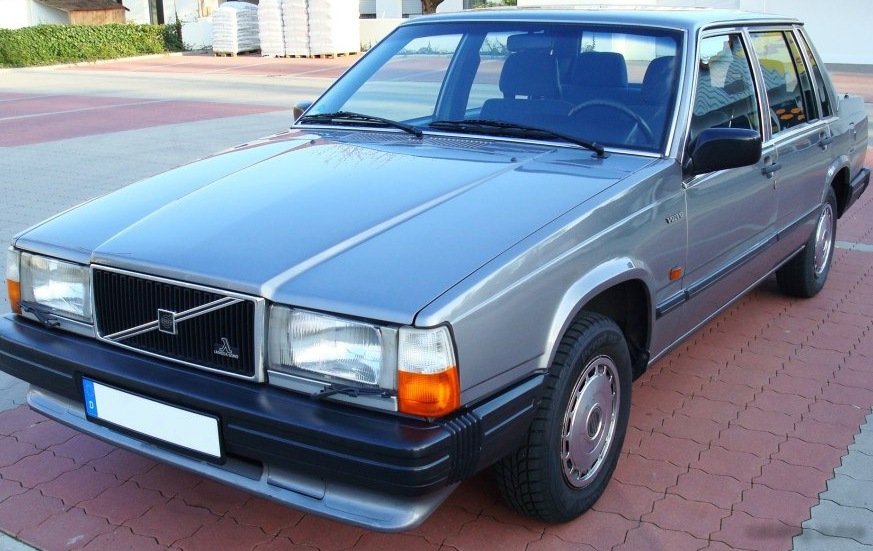
The Volvo 740 Turbo, specifically the 744 variant powered by the B230FT 2.3-liter turbocharged engine producing 190 horsepower, represented a significant performance offering within the traditionally pragmatic 740 series. Produced from 1989 to 1990, this model occupied the top echelon of the 740 lineup, catering to drivers seeking a blend of Volvo’s renowned safety and durability with a noticeably enhanced driving experience. It was a late-cycle performance addition to a model range already well-established for its practicality and longevity.
Technical Specifications
| Brand | Volvo |
| Model | 740 |
| Generation | 740 (744) |
| Type (Engine) | 2.3 Turbo (190 Hp) |
| Start of production | 1989 |
| End of production | 1990 |
| Powertrain Architecture | Internal Combustion engine |
| Body type | Sedan |
| Seats | 5 |
| Doors | 4 |
| Fuel Type | Petrol (Gasoline) |
| Power | 190 Hp |
| Engine Model/Code | B230FT |
| Engine aspiration | Turbocharger |
| Engine oil capacity | 4.5 l (4.76 US qt | 3.96 UK qt) |
| Coolant capacity | 9.3 l (9.83 US qt | 8.18 UK qt) |
| Fuel tank capacity | 60 l (15.85 US gal | 13.2 UK gal) |
| Length | 4785 mm (188.39 in) |
| Width | 1760 mm (69.29 in) |
| Height | 1430 mm (56.3 in) |
Powertrain & Engine Architecture
The heart of the 740 Turbo was the B230FT engine, a 2.3-liter inline-four cylinder powerplant. This engine was a further development of Volvo’s well-respected ‘Redblock’ family, known for its robustness. The ‘FT’ designation signified the factory turbocharger installation. The B230FT utilized a Garrett T25 turbocharger, intercooled to reduce intake temperatures and improve efficiency. Fuel delivery was managed by Bosch mechanical fuel injection, a system chosen for its reliability and relative simplicity compared to emerging electronic systems. The engine featured a cast iron block and an aluminum cylinder head, contributing to its durability. The valvetrain employed a single overhead camshaft (SOHC) design with two valves per cylinder. While not the most technologically advanced configuration, it proved exceptionally reliable. The engine was typically paired with a four-speed automatic transmission (AW71) or a five-speed manual transmission, though the automatic was a common choice for buyers prioritizing comfort.
Driving Characteristics
The 190 horsepower and 207 lb-ft of torque delivered by the B230FT transformed the 740 from a sensible family sedan into a surprisingly capable performer. Acceleration to 60 mph was achieved in around 7.8 seconds, a respectable figure for the early 1990s. The turbocharger provided a noticeable boost in power, though turbo lag was present, requiring drivers to anticipate acceleration. The automatic transmission, while smooth, did slightly diminish the engine’s potential compared to the manual version. Gear ratios were geared towards providing good mid-range acceleration rather than outright top-end speed. The 740 Turbo offered a comfortable ride, typical of Volvo, but with a firmer feel than naturally aspirated models due to the upgraded suspension components.
Equipment & Trim Levels
The 740 Turbo was generally well-equipped, reflecting its position as the premium trim level. Standard features included power windows and locks, central locking, and a basic audio system. Upholstery was typically cloth, though leather was available as an option. The dashboard featured a comprehensive instrument cluster with gauges for boost pressure, oil temperature, and voltage. Optional extras included a sunroof, upgraded audio systems, and heated front seats. The interior design was functional and understated, prioritizing ergonomics and durability over flashy aesthetics. The 740 Turbo often featured unique badging and exterior trim elements to distinguish it from other models.
Chassis & Braking
The 740 Turbo benefited from a reinforced chassis and upgraded suspension components compared to lower-spec models. The front suspension utilized MacPherson struts, while the rear featured a solid axle with coil springs. Stabilizer bars were fitted to both the front and rear axles to reduce body roll during cornering. Braking was accomplished via disc brakes on all four wheels, providing adequate stopping power for the vehicle’s weight and performance. Anti-lock braking system (ABS) was available as an option, enhancing safety in slippery conditions. The steering was power-assisted, offering a comfortable driving experience.
Market Reception & Comparison
The Volvo 740 Turbo was generally well-received by automotive critics. It was praised for its blend of performance, safety, and practicality. However, some reviewers noted the presence of turbo lag and the relatively basic interior compared to some European competitors. Compared to the naturally aspirated 740 models, the Turbo offered a significant performance upgrade, but at a higher price point. It also required more frequent maintenance due to the added complexity of the turbocharger system. Against rivals like the BMW 325i or Audi 80 quattro, the 740 Turbo offered a different proposition – prioritizing durability and safety over outright handling prowess. Fuel economy was reasonable for a turbocharged vehicle of its era, averaging around 20-25 mpg.
Legacy
The Volvo 740 Turbo, particularly the B230FT-powered variants, has developed a strong following among enthusiasts. The engine is known for its robustness and tunability, making it a popular choice for modifications. The 740 Turbo remains a relatively affordable classic car, offering a unique combination of Scandinavian practicality and turbocharged performance. While maintenance can be more involved than with naturally aspirated models, the B230FT engine is generally considered reliable if properly maintained. Today, these cars are often found in the hands of collectors and enthusiasts who appreciate their unique character and enduring build quality. The 740 Turbo represents a high point in Volvo’s commitment to building safe, durable, and surprisingly capable automobiles.
