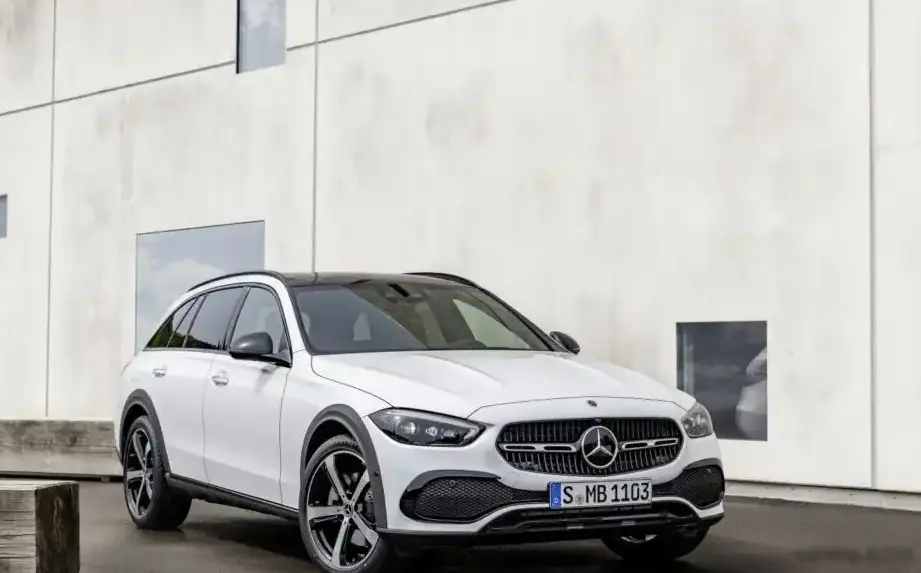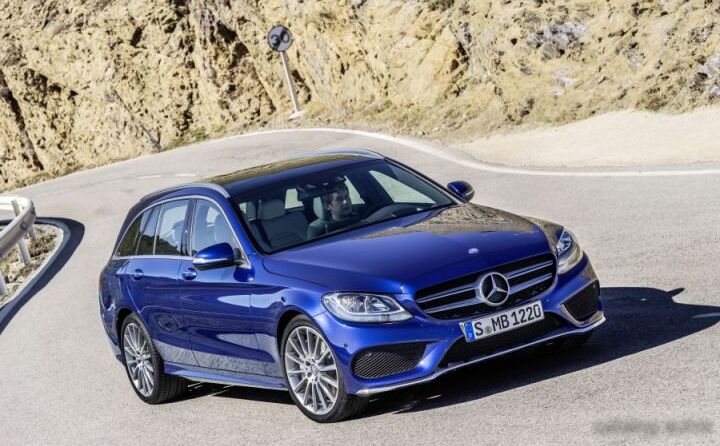
The Mercedes-Benz C-Class T-modell (S205) C 250, equipped with the 7G-TRONIC PLUS automatic transmission, was a key variant in the fourth generation of the C-Class estate, produced from 2014 to 2016. Positioned as a mid-range offering, it bridged the gap between the more economical base models and the performance-oriented AMG variants. This model aimed to deliver a balance of luxury, practicality, and respectable performance for buyers seeking a versatile premium wagon. It was primarily sold in the European market, where the estate body style remains highly popular, with limited availability in North America.
Technical Specifications
| Brand | Mercedes-Benz |
| Model | C-class |
| Generation | C-class T-modell (S205) |
| Type | C 250 (211 Hp) 7G-TRONIC PLUS |
| Start of production | 2014 |
| End of production | 2016 |
| Powertrain Architecture | Internal Combustion engine |
| Body type | Station wagon (estate) |
| Seats | 5 |
| Doors | 5 |
| Fuel consumption (urban) | 7.6-7.1 l/100 km (30.9 – 33.1 US mpg) |
| Fuel consumption (extra urban) | 5.1-4.7 l/100 km (46.1 – 50 US mpg) |
| Fuel consumption (combined) | 6.0-5.6 l/100 km (39.2 – 42 US mpg) |
| CO2 emissions | 140-130 g/km |
| Fuel Type | Petrol (Gasoline) |
| Acceleration 0 – 100 km/h | 6.8 sec |
| Acceleration 0 – 62 mph | 6.8 sec |
| Acceleration 0 – 60 mph | 6.5 sec |
| Maximum speed | 244 km/h (151.61 mph) |
| Emission standard | Euro 6 |
| Weight-to-power ratio | 7 kg/Hp |
| Weight-to-torque ratio | 4.2 kg/Nm |
| Power | 211 Hp @ 5500 rpm |
| Torque | 350 Nm @ 1200-4000 rpm (258.15 lb.-ft. @ 1200-4000 rpm) |
| Engine layout | Front, Longitudinal |
| Engine Model/Code | M 274.920 |
| Engine displacement | 1991 cm3 (121.5 cu. in.) |
| Number of cylinders | 4 |
| Engine configuration | Inline |
| Compression ratio | 9.8:1 |
| Number of valves per cylinder | 4 |
| Fuel injection system | Direct injection |
| Engine aspiration | Turbocharger, Intercooler |
| Engine oil capacity | 7 l (7.4 US qt | 6.16 UK qt) |
| Kerb Weight | 1470 kg (3240.8 lbs.) |
| Max. weight | 2120 kg (4673.8 lbs.) |
| Max load | 650 kg (1433 lbs.) |
| Trunk (boot) space – minimum | 490 l (17.3 cu. ft.) |
| Trunk (boot) space – maximum | 1510 l (53.33 cu. ft.) |
| Fuel tank capacity | 66 l (17.44 US gal | 14.52 UK gal) |
| Length | 4702 mm (185.12 in.) |
| Width | 1810 mm (71.26 in.) |
| Height | 1457 mm (57.36 in.) |
| Wheelbase | 2840 mm (111.81 in.) |
| Front track | 1584 mm (62.36 in.) |
| Rear track | 1566 mm (61.65 in.) |
| Minimum turning circle | 11.22 m (36.81 ft.) |
| Drivetrain Architecture | Rear wheel drive |
| Number of gears | 7 |
| Gearbox type | Automatic transmission G-TRONIC |
| Front suspension | Independent multi-link suspension |
| Rear suspension | Independent multi-link suspension |
| Front brakes | Ventilated discs |
| Rear brakes | Disc |
| Assisting systems | ABS (Anti-lock braking system) |
| Steering type | Steering rack and pinion |
| Tires size | 205/60 R16 |
| Wheel rims size | 16 |
Powertrain & Engine Architecture
The C 250 T-modell utilized the M274.920 2.0-liter inline-four cylinder engine. This engine was a key component of Mercedes-Benz’s modular engine family, designed for efficiency and performance. It featured direct fuel injection and a single twin-scroll turbocharger with an intercooler. The direct injection system allowed for precise fuel delivery, optimizing combustion and reducing emissions. The turbocharger boosted power output, providing 211 horsepower at 5500 rpm and 350 Nm (258 lb-ft) of torque available from a low 1200 rpm all the way to 4000 rpm. This broad torque curve was a significant advantage for everyday drivability. The engine’s 9.8:1 compression ratio was a compromise between performance and the ability to run on standard gasoline. The 7G-TRONIC PLUS automatic transmission, a seven-speed torque converter automatic, was specifically tuned to complement the engine’s characteristics. It offered smooth and quick shifts, contributing to both performance and fuel efficiency.
Driving Characteristics
The C 250 T-modell with the 7G-TRONIC PLUS provided a comfortable and refined driving experience. Acceleration from 0 to 62 mph (0-100 km/h) took approximately 6.8 seconds, making it reasonably quick for a wagon. The automatic transmission’s gear ratios were optimized for both fuel economy and responsive acceleration. While not as sporty as the C 300 or AMG models, the C 250 offered sufficient power for most driving situations. The 7G-TRONIC PLUS transmission generally shifted smoothly, but could occasionally feel hesitant during quick downshifts. Compared to the manual transmission options available on other C-Class models, the automatic prioritized ease of use over outright driver engagement. The rear-wheel drive configuration provided a balanced feel, although it could be less confident in slippery conditions compared to all-wheel drive variants.
Equipment & Trim Levels
The C 250 T-modell came standard with a comprehensive list of features, including automatic climate control, a multi-function steering wheel, and a high-quality audio system. Interior upholstery typically consisted of Artico leather (a Mercedes-Benz synthetic leather) or optional genuine leather. Dashboard trim could be specified in aluminum, wood, or carbon fiber. Common optional extras included a panoramic sunroof, navigation system, parking assist, and upgraded sound systems. Safety features such as ABS, ESP (Electronic Stability Program), and multiple airbags were standard. The C 250 generally occupied a middle ground in terms of trim levels, offering a good balance of features and price. Packages like the “Sport” package added cosmetic enhancements and sport-tuned suspension, while the “Premium” package included luxury features like heated seats and a more advanced infotainment system.
Chassis & Braking
The S205 C-Class T-modell featured an independent multi-link suspension at both the front and rear axles. This suspension design provided a comfortable ride and good handling characteristics. The C 250 typically used ventilated disc brakes at the front and solid disc brakes at the rear. ABS (Anti-lock Braking System) and ESP (Electronic Stability Program) were standard safety features. The suspension was tuned to prioritize comfort, but still offered reasonable body control during cornering. Stabilizer bars were fitted front and rear to reduce body roll. The C 250’s weight of approximately 1470 kg (3240.8 lbs) was relatively moderate for a wagon of its size, contributing to its balanced handling.
Market Reception & Comparison
The C 250 T-modell was generally well-received by automotive critics. It was praised for its comfortable ride, refined interior, and efficient engine. Fuel economy figures of around 39-42 mpg (combined) were considered competitive for its class. Compared to the C 300, the C 250 offered a more affordable entry point into the C-Class range, but with a noticeable reduction in performance. The C 220 d (diesel) models were often favored by European buyers due to their even better fuel economy and comparable torque. Reliability reports suggest that the M274 engine is generally robust, but potential issues can include oil leaks and turbocharger wear over time.
Legacy
The C 250 T-modell (S205) remains a popular choice in the used car market, particularly in Europe. Its combination of practicality, luxury, and reasonable running costs makes it an attractive option for buyers seeking a premium estate car. The M274 engine, while not known for being exceptionally powerful, has proven to be relatively reliable with proper maintenance. Parts availability is generally good, and the 7G-TRONIC PLUS transmission is known for its durability. However, potential buyers should be aware of the possibility of oil leaks and turbocharger issues, and should ensure that the vehicle has been regularly serviced.