
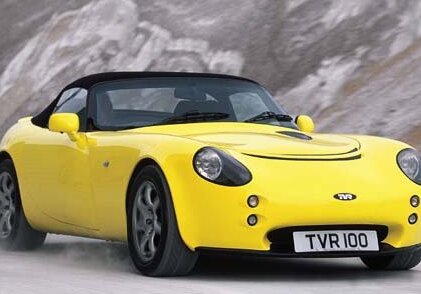
The TVR Tamora 3.6 V6, produced between 2002 and 2006, represents a pivotal moment for the Blackpool-based British sports car manufacturer. It was the first all-new TVR model introduced under the ownership of Peter Wheeler, following the company’s restructuring. The Tamora aimed to deliver the classic TVR experience – raw, visceral performance – in a more refined and accessible package than its predecessors. This particular variant, equipped with the 3.6-liter straight-six engine producing 360 horsepower, was positioned as the flagship model within the Tamora range, offering a significant performance upgrade over the earlier 2.0-liter four-cylinder versions. The Tamora, named after a queen in Arthurian legend, was a two-seat, rear-wheel-drive roadster available exclusively as a convertible.
Technical Specifications
| Brand | TVR |
| Model | Tamora |
| Generation | Tamora |
| Type (Engine) | 3.6 V6 (360 Hp) |
| Start of production | 2002 |
| End of production | 2006 |
| Powertrain Architecture | Internal Combustion engine |
| Body type | Cabriolet |
| Seats | 2 |
| Doors | 2 |
| Fuel Type | Petrol (Gasoline) |
| Weight-to-power ratio | 2.9 kg/Hp, 339.6 Hp/tonne |
| Weight-to-torque ratio | 3.7 kg/Nm, 273.6 Nm/tonne |
| Power | 360 Hp @ 7200 rpm |
| Power per litre | 99.9 Hp/l |
| Torque | 290 Nm @ 5500 rpm, 213.89 lb.-ft. @ 5500 rpm |
| Engine layout | Front, Longitudinal |
| Engine displacement | 3605 cm3, 219.99 cu. in. |
| Number of cylinders | 6 |
| Engine configuration | V-engine |
| Number of valves per cylinder | 4 |
| Fuel injection system | Multi-port manifold injection |
| Engine aspiration | Naturally aspirated engine |
| Kerb Weight | 1060 kg, 2336.9 lbs |
| Length | 3925 mm, 154.53 in |
| Width | 1715 mm, 67.52 in |
| Height | 1204 mm, 47.4 in |
| Wheelbase | 2361 mm, 92.95 in |
| Drivetrain Architecture | The Internal combustion engine (ICE) drives the rear wheels of the vehicle. |
| Drive wheel | Rear wheel drive |
| Number of gears and type of gearbox | 5 gears, manual transmission |
| Front suspension | Wishbone |
| Rear suspension | Wishbone |
| Front brakes | Ventilated discs |
| Rear brakes | Disc |
| Assisting systems | ABS (Anti-lock braking system) |
| Tires size | 225/50 R16 |
Powertrain & Engine Architecture
The heart of the Tamora 3.6 is the TVR Speed Six engine, a 3.6-liter inline-six cylinder powerplant. This engine, designed and built in-house by TVR, was a significant departure from the Rover V8s that had previously powered many of their models. The Speed Six features a cast iron block with aluminum cylinder heads, and utilizes multi-port fuel injection. The 360 horsepower version achieved this output through a combination of increased bore size, revised camshaft profiles, and optimized engine management. The engine’s character is distinctly raw and responsive, delivering a strong surge of power throughout the rev range. The Tamora 3.6 exclusively came with a five-speed manual transmission, chosen to complement the engine’s performance characteristics and provide a direct connection to the driving experience. The transmission is known for its relatively short throws and precise engagement, further enhancing the sporty feel. The engine’s design prioritized simplicity and weight reduction, contributing to the car’s overall agility.
Driving Characteristics
The Tamora 3.6 offers a driving experience that is both exhilarating and demanding. With a power-to-weight ratio of approximately 339.6 horsepower per tonne, acceleration is brisk, with 0-60 mph times typically quoted around 4.2 seconds. The engine’s torque output of 290 Nm (213.89 lb-ft) provides strong mid-range punch, making it a rewarding car to drive on twisty roads. The rear-wheel-drive configuration and relatively short wheelbase contribute to a lively and engaging handling balance, but also require a degree of driver skill to manage. The suspension, featuring wishbone setups front and rear, provides a firm but compliant ride, prioritizing handling over outright comfort. The steering is direct and communicative, offering plenty of feedback to the driver. Compared to the earlier 2.0-liter Tamora, the 3.6 offers a dramatically improved performance, with significantly more power and torque available across the rev range. The manual transmission is a key part of this experience, offering a more engaging and rewarding drive than an automatic would have. The car feels incredibly connected to the road, providing a visceral and immersive driving experience.
Equipment & Trim Levels
The Tamora 3.6, being the top-of-the-line model, came reasonably well-equipped, though TVR always prioritized performance over luxury. Standard features included leather upholstery, power windows, central locking, and an alarm system. Air conditioning was often an optional extra, as were features like a premium sound system and upgraded interior trim materials. The interior design was minimalist and driver-focused, with a simple dashboard layout and supportive sports seats. TVR offered a degree of customization, allowing buyers to specify different interior colors and trim options. The Tamora’s interior, while functional, was not known for its refinement or build quality, reflecting TVR’s focus on delivering a raw and visceral driving experience. The emphasis was on creating a lightweight and uncluttered cabin, enhancing the sense of connection to the car and the road.
Chassis & Braking
The Tamora utilizes a tubular steel spaceframe chassis, providing a strong and lightweight foundation for the car. This chassis design, a hallmark of TVR engineering, contributes to the car’s excellent handling characteristics. The suspension consists of independent wishbone setups at both the front and rear, with coil springs and adjustable dampers. Braking is provided by ventilated discs at the front and solid discs at the rear, assisted by an anti-lock braking system (ABS). While the braking performance is adequate for road use, it is not as powerful or sophisticated as some contemporary sports cars. The Tamora’s relatively low weight helps to mitigate the limitations of the braking system. The car rides on 16-inch alloy wheels, typically fitted with 225/50 R16 tires. The chassis was designed to be both rigid and lightweight, maximizing performance and handling capabilities.
Market Reception & Comparison
The TVR Tamora 3.6 was generally well-received by automotive critics, who praised its performance, handling, and distinctive styling. However, it was also criticized for its lack of refinement, questionable build quality, and limited practicality. Compared to other sports cars in its price range, such as the Porsche Boxster or BMW Z3, the Tamora offered a more raw and visceral driving experience, but lacked the same level of sophistication and reliability. Fuel economy was also relatively poor, typical for a high-performance naturally aspirated engine. The Tamora’s appeal lay in its unique character and its ability to deliver an engaging and rewarding driving experience for those willing to overlook its shortcomings. It represented a niche offering, appealing to enthusiasts who prioritized driving pleasure over everyday usability.
Legacy
The TVR Tamora 3.6 represents a significant chapter in the history of the British sports car manufacturer. It was the first model to showcase the TVR Speed Six engine, which would go on to power several subsequent TVR models. The Tamora helped to revitalize the TVR brand and attract a new generation of enthusiasts. Today, the Tamora 3.6 is a sought-after classic car, appreciated for its rarity, performance, and distinctive styling. The Speed Six engine, while known for its occasional maintenance requirements, is generally considered to be a robust and reliable powerplant when properly maintained. The Tamora’s relatively simple construction makes it relatively easy to repair and maintain, appealing to enthusiasts who enjoy hands-on ownership. Values for well-maintained examples have been steadily increasing in recent years, reflecting the car’s growing popularity among collectors. It remains a testament to TVR’s commitment to building exciting and engaging sports cars.
