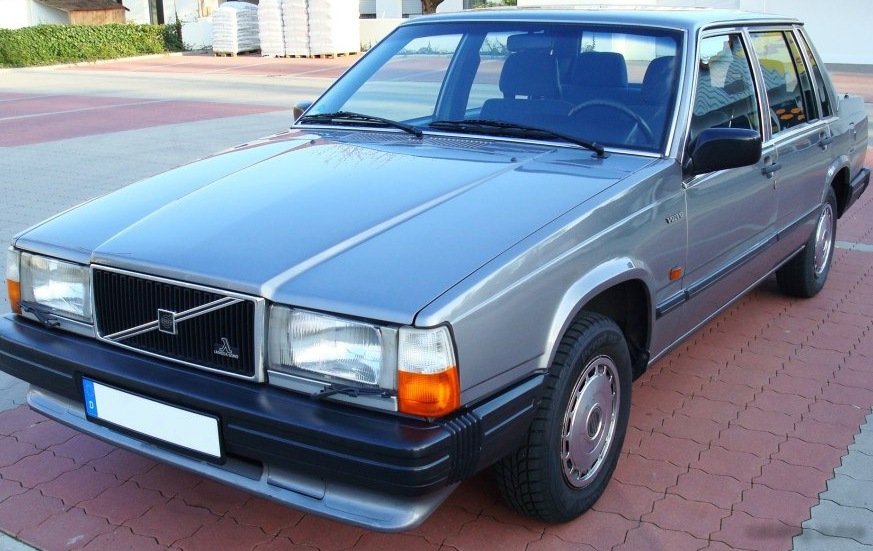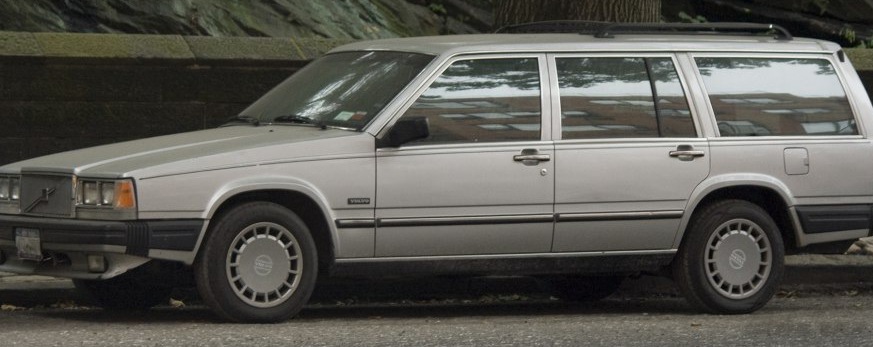
The Volvo 740 Combi, specifically the 745 variant equipped with the 2.3-liter, 115 horsepower engine, occupied a significant position within Volvo’s model range from 1987 to 1990. As part of the second generation of the 700/900 series, the 745 provided a practical and durable station wagon option, appealing to families and individuals requiring substantial cargo capacity. Positioned as a mid-range offering, it struck a balance between affordability and Volvo’s renowned safety standards. The 745 played a crucial role in cementing Volvo’s reputation for building robust, long-lasting vehicles, particularly in European markets where estate cars enjoyed widespread popularity. While not the highest-performance version, the 2.3-liter engine proved exceptionally reliable and delivered sufficient power for everyday driving needs.
Technical Specifications
| Brand | Volvo |
| Model | 740 Combi (745) |
| Generation | 740 Combi (745) |
| Type (Engine) | 2.3 (115 Hp) |
| Start of production | 1987 |
| End of production | 1990 |
| Powertrain Architecture | Internal Combustion engine |
| Body type | Station wagon (estate) |
| Seats | 5 |
| Doors | 5 |
| Fuel Type | Petrol (Gasoline) |
| Power | 115 Hp |
| Engine Model/Code | B230F |
| Engine aspiration | Naturally aspirated engine |
| Engine oil capacity | 3.9 l (4.12 US qt | 3.43 UK qt) |
| Coolant capacity | 8.5 l (8.98 US qt | 7.48 UK qt) |
| Fuel tank capacity | 60 l (15.85 US gal | 13.2 UK gal) |
Powertrain & Engine Architecture
The 745 2.3’s powertrain centered around the B230F engine, a 2.3-liter inline-four cylinder unit. This engine was a mainstay of Volvo’s engineering efforts throughout the 1980s and 1990s, celebrated for its robust construction and longevity. The B230F featured a cast iron engine block and an aluminum cylinder head, contributing significantly to its durability. Fuel delivery was managed by Bosch mechanical fuel injection – a system favored for its reliability and simplicity compared to the emerging electronic fuel injection technologies of the time. The engine employed a single overhead camshaft (SOHC) valvetrain, operating two valves per cylinder. While not designed for high-revving performance, the B230F generated a respectable 115 horsepower and approximately 140 lb-ft of torque. The torque curve was notably flat, providing usable power across a wide range of engine speeds. The engine was commonly paired with either a four-speed automatic transmission (AW71) or a five-speed manual transmission. The AW71 automatic, while dependable, wasn’t particularly known for its sporty characteristics and resulted in slightly reduced fuel economy.
Driving Characteristics
The 745 2.3 equipped with the automatic transmission offered a comfortable, though not exceptionally thrilling, driving experience. Acceleration was sufficient for merging onto highways and overtaking slower vehicles, but it wasn’t a car geared towards rapid acceleration. The automatic transmission’s gear ratios were optimized for fuel efficiency and smooth cruising rather than aggressive performance. Compared to the manual transmission variant, the automatic resulted in a perceptible decrease in responsiveness. The 745’s weight, typical of Volvo wagons of the era, further tempered performance. However, the engine’s torque allowed it to handle a full passenger load and cargo without feeling overly strained. Steering was relatively light and precise, and the suspension delivered a comfortable ride, effectively absorbing bumps and road imperfections. In contrast to the higher-output 740 Turbo models, the 2.3 provided a considerably more relaxed driving experience, prioritizing comfort and practicality over outright speed.
Equipment & Trim Levels
The 745 2.3 generally included a comprehensive set of standard features for its time. Interior upholstery typically consisted of a durable cloth material, available in various colors. The dashboard layout was functional and straightforward, with clearly marked controls. Standard equipment included power steering, a basic stereo system, and heated front seats – a particularly valued feature in colder climates. Optional extras encompassed a sunroof, upgraded stereo systems, leather upholstery, and cruise control. The 745 also benefited from Volvo’s dedication to safety, featuring standard three-point seatbelts for all occupants and a reinforced safety cage construction. Trim levels varied slightly depending on the market, but generally, the 2.3 model represented a mid-range offering, bridging the gap between the more basic models and the more luxurious Turbo versions.
Chassis & Braking
The 745 2.3 utilized a relatively simple yet effective chassis design. It featured a MacPherson strut front suspension and a solid rear axle with leaf springs. The rear suspension was engineered to accommodate heavy loads, making it well-suited for carrying cargo. Braking was typically achieved with disc brakes on the front wheels and drum brakes on the rear wheels. While the drum brakes were adequate for routine driving, they lacked the stopping power and fade resistance of disc brakes. Stabilizer bars were fitted to both the front and rear axles to minimize body roll during cornering. The 745’s chassis was robust and well-engineered, contributing to its reputation for durability and longevity. The suspension was tuned for comfort, prioritizing a smooth ride over sporty handling.
Market Reception & Comparison
The Volvo 745 2.3 was generally well-received by automotive critics and consumers. It was lauded for its practicality, safety, and reliability. Reviewers noted that the 2.3-liter engine provided sufficient performance for most drivers, and the automatic transmission offered a comfortable and convenient driving experience. However, some critics observed that the automatic transmission could feel sluggish at times, and the overall performance wasn’t as exciting as some of its competitors. Compared to other trims within the 740 lineup, the 2.3 offered a favorable balance between price and features. It was more affordable than the Turbo models but provided more power and refinement than the base-level engines. Fuel economy was reasonable for a vehicle of its size and weight, averaging around 20-25 mpg in mixed driving conditions.
Legacy
The Volvo 745 2.3 has established a strong reputation for long-term reliability. The B230F engine is known for its exceptional durability, and numerous examples remain on the road today with high mileage. The automatic transmission, while not the most advanced, is also generally reliable with proper maintenance. In the used car market, the 745 2.3 continues to be a popular choice for those seeking a practical, durable, and affordable station wagon. Its classic Volvo styling and commitment to safety continue to appeal to enthusiasts and families alike. Parts availability is generally good, and the 745’s straightforward mechanical design makes it relatively easy to maintain and repair. The 745 2.3 stands as a testament to Volvo’s dedication to building vehicles designed to endure.