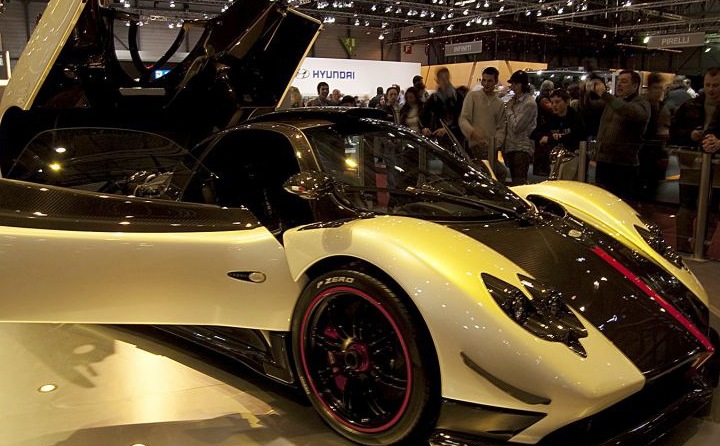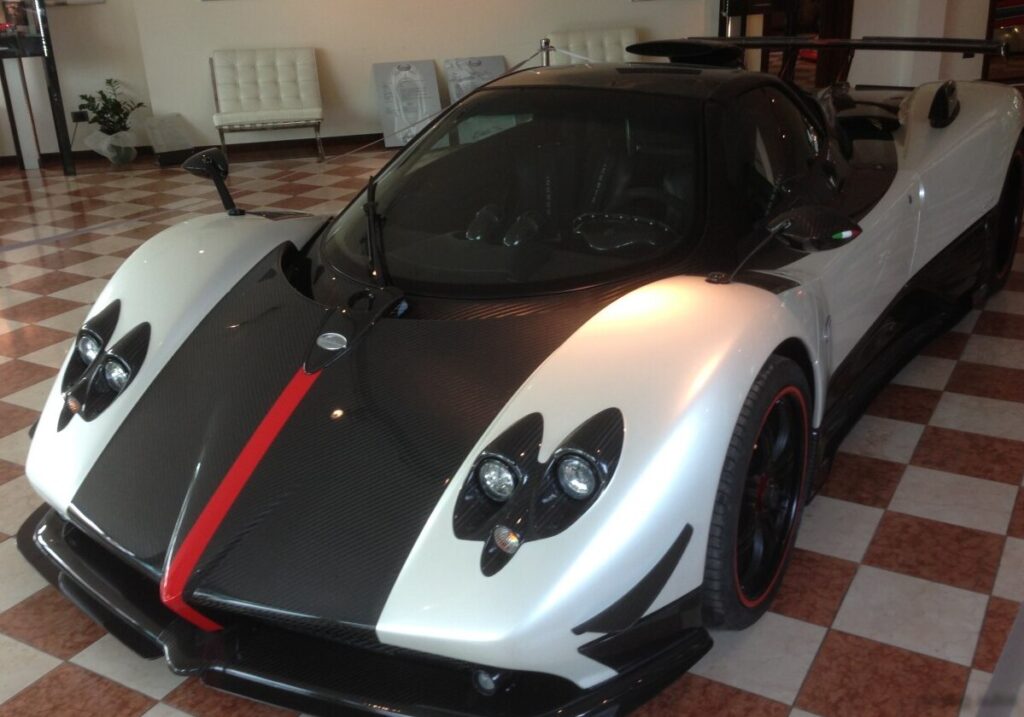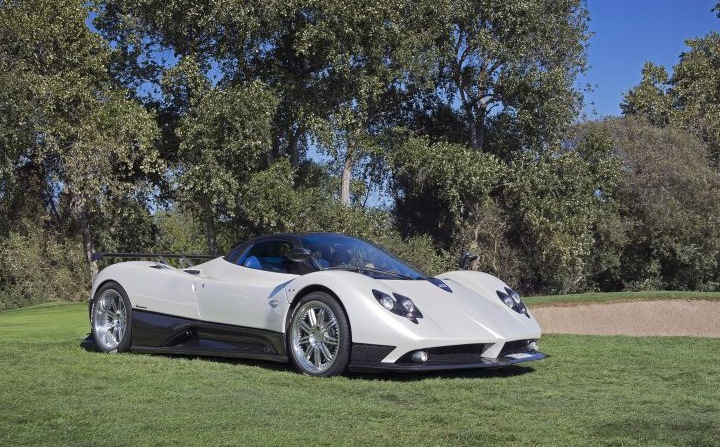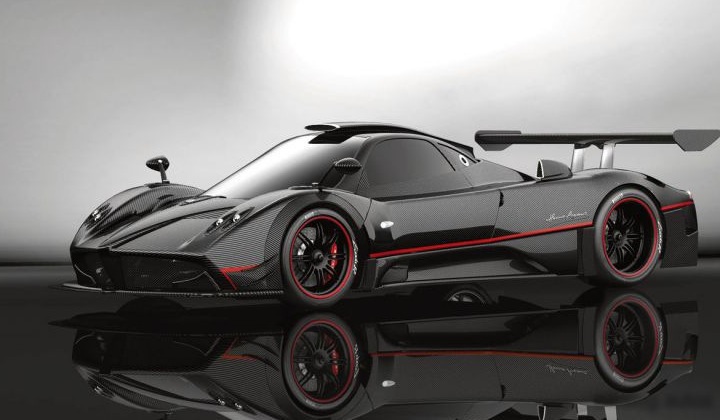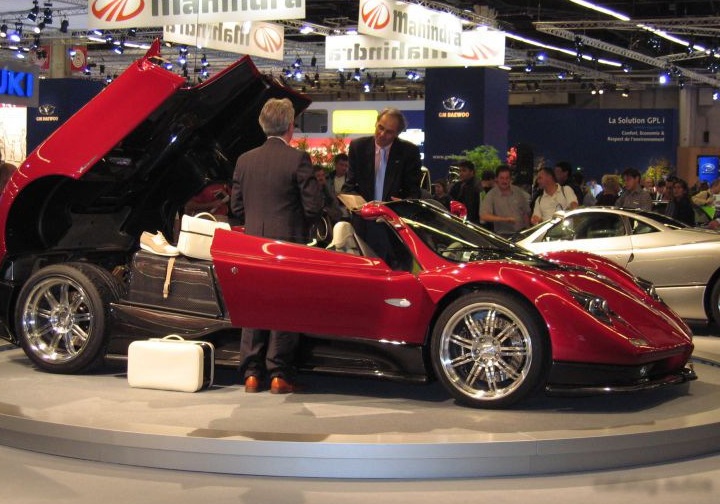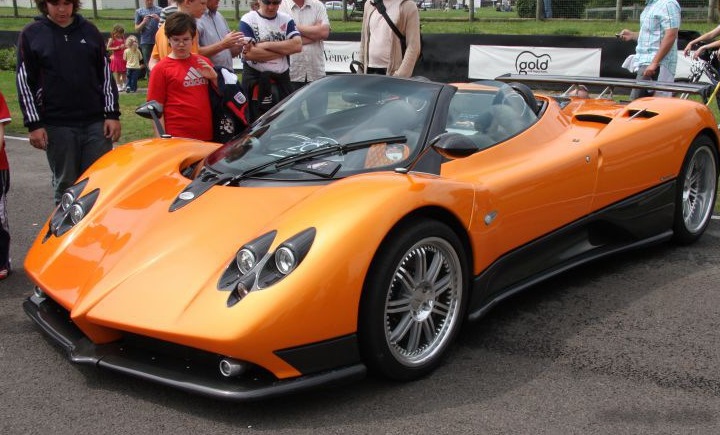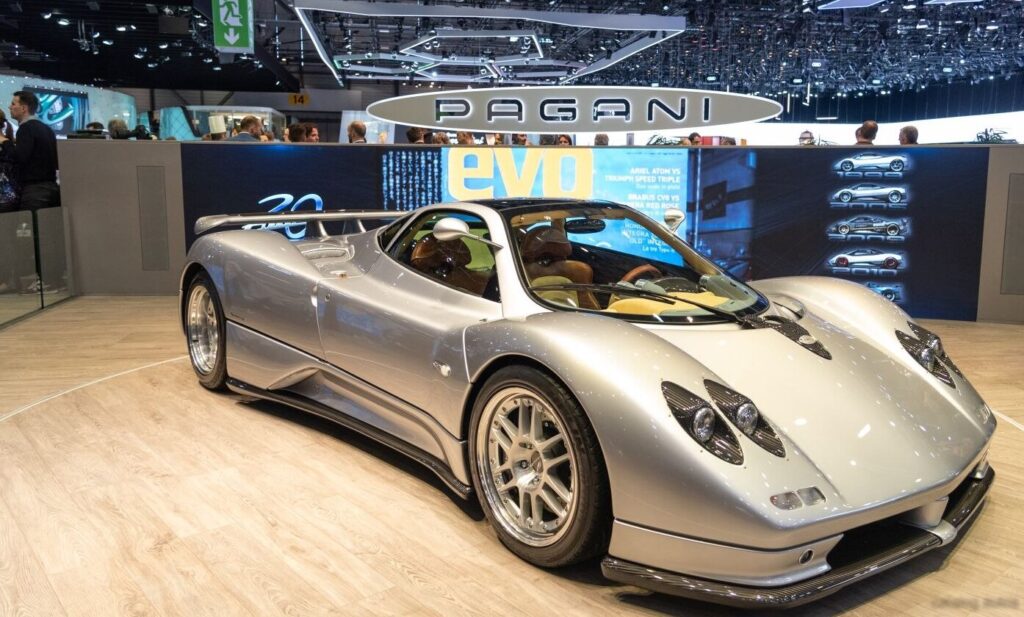
The Pagani Zonda C12 S 7.3, produced from 2002 to 2005, represents the initial evolution of the iconic Zonda model line. It served as the foundational supercar for Horacio Pagani’s independent automotive venture, establishing the brand’s reputation for extreme performance, meticulous craftsmanship, and exclusivity. The “C12 S” designation signifies the 7.3-liter V12 engine and the “S” variant, denoting a more focused, performance-oriented iteration of the original Zonda. It was a direct competitor to established hypercars like the Ferrari Enzo and McLaren Mercedes SLR, aiming to deliver a more visceral and driver-focused experience.
Technical Specifications
| Brand | Pagani |
| Model | Zonda |
| Generation | Zonda C12 |
| Type (Engine) | S 7.3 V12 (555 Hp) |
| Start of production | 2002 |
| End of production | 2005 |
| Powertrain Architecture | Internal Combustion engine |
| Body type | Coupe |
| Seats | 2 |
| Doors | 2 |
| Fuel Type | Petrol (Gasoline) |
| Acceleration 0 – 100 km/h | 3.7 sec |
| Acceleration 0 – 62 mph | 3.7 sec |
| Acceleration 0 – 60 mph | 3.5 sec |
| Weight-to-power ratio | 2.3 kg/Hp, 433.6 Hp/tonne |
| Weight-to-torque ratio | 1.7 kg/Nm, 585.9 Nm/tonne |
| Power | 555 Hp @ 5900 rpm |
| Power per litre | 76.1 Hp/l |
| Torque | 750 Nm @ 4050 rpm (553.17 lb.-ft. @ 4050 rpm) |
| Engine layout | Middle, Longitudinal |
| Engine displacement | 7291 cm3 (444.92 cu. in.) |
| Number of cylinders | 12 |
| Engine configuration | V-engine |
| Engine aspiration | Naturally aspirated engine |
| Kerb Weight | 1280 kg (2821.92 lbs.) |
| Length | 4395 mm (173.03 in.) |
| Width | 2055 mm (80.91 in.) |
| Height | 1151 mm (45.31 in.) |
| Wheelbase | 2730 mm (107.48 in.) |
| Drivetrain Architecture | Rear wheel drive, Internal Combustion engine (ICE) |
| Number of gears and type of gearbox | 6 gears, manual transmission |
| Front suspension | Double wishbone |
| Rear suspension | Double wishbone |
| Front brakes | Ventilated discs |
| Rear brakes | Ventilated discs |
| Assisting systems | ABS (Anti-lock braking system) |
| Steering type | Steering rack and pinion |
| Power steering | Electric Steering |
| Tires size | 255/40 R18; 345/35 R18 |
Powertrain & Engine Architecture
The heart of the Zonda C12 S is its M120 V12 engine, sourced from Mercedes-AMG. This naturally aspirated 7.3-liter powerplant was originally designed for use in the Mercedes-Benz CLK-GTR race car. Pagani secured an agreement with Mercedes-AMG to utilize this engine, albeit with modifications to suit the Zonda’s unique chassis and performance goals. The engine features a 60-degree V-angle, four valves per cylinder, and a dry-sump lubrication system, crucial for maintaining oil supply during the extreme cornering forces the Zonda is capable of. Fuel delivery is managed by Bosch Motronic ME1.1 engine management system. The engine’s 555 horsepower at 5900 rpm and 553 lb-ft of torque at 4050 rpm are delivered through a rear-wheel-drive configuration and a robust 6-speed manual transmission. The transmission was specifically chosen for its direct feel and driver engagement, aligning with Pagani’s philosophy of a raw, unfiltered driving experience.
Driving Characteristics
The Zonda C12 S delivers a truly exhilarating driving experience. The combination of the powerful V12 engine and the relatively lightweight chassis (approximately 2822 lbs) results in breathtaking acceleration. The 0-60 mph sprint is achieved in around 3.5 seconds, and top speed exceeds 200 mph. The manual transmission requires a skilled driver to extract the most performance, but it provides a level of control and connection that is absent in automated systems. The car’s responsiveness is remarkable, with immediate throttle response and precise steering. However, the Zonda C12 S is not a forgiving car; its lack of electronic driver aids demands respect and a high level of driving proficiency. The suspension, while firm, provides adequate compliance for road use, but the car truly shines on smooth, flowing roads or race tracks.
Equipment & Trim Levels
The Zonda C12 S was largely bespoke, with a high degree of customization available to buyers. Standard features included a leather-wrapped interior, air conditioning, and a basic audio system. However, the emphasis was on lightweight construction and performance, so luxury features were kept to a minimum. Optional extras included carbon fiber interior trim, upgraded audio systems, and various exterior customization options. The interior design was minimalist and driver-focused, with a prominent center console housing the gear lever and various controls. Upholstery options were limited, typically consisting of leather or Alcantara in a range of colors.
Chassis & Braking
The Zonda C12 S utilizes a carbon fiber monocoque chassis, a revolutionary construction technique at the time. This lightweight and incredibly rigid chassis provides the foundation for the car’s exceptional performance. The suspension system employs double wishbones at both the front and rear, with adjustable dampers and anti-roll bars. Braking is provided by ventilated discs at all four corners, with ABS (Anti-lock Braking System) as standard. The braking system is highly effective, providing ample stopping power even under extreme conditions. The car’s tires, sized 255/40 R18 at the front and 345/35 R18 at the rear, are specifically designed to provide maximum grip and handling performance.
Market Reception & Comparison
The Zonda C12 S was met with widespread acclaim from automotive journalists and enthusiasts. Critics praised its stunning design, incredible performance, and raw driving experience. Compared to its contemporaries, such as the Ferrari Enzo and McLaren Mercedes SLR, the Zonda was often lauded for its more visceral and engaging character. While the Enzo and SLR offered more advanced technology and a greater degree of refinement, the Zonda provided a more direct and unfiltered connection to the road. Fuel economy was, unsurprisingly, poor, and maintenance costs were exceptionally high. However, these factors were largely irrelevant to the Zonda’s target audience – wealthy collectors and driving enthusiasts who prioritized performance and exclusivity above all else.
Legacy
The Pagani Zonda C12 S established Pagani as a serious player in the hypercar market. It paved the way for subsequent Zonda variants, each building upon the foundation laid by the C12 S. Today, the Zonda C12 S is a highly sought-after collector’s item, with values continuing to appreciate. The M120 engine, while aging, remains a robust and reliable powerplant when properly maintained. The carbon fiber chassis has proven to be exceptionally durable, and the car’s overall build quality is outstanding. The Zonda C12 S represents a pivotal moment in automotive history, a testament to Horacio Pagani’s vision and dedication to creating the ultimate driving machine. It remains a benchmark for performance, exclusivity, and automotive artistry.