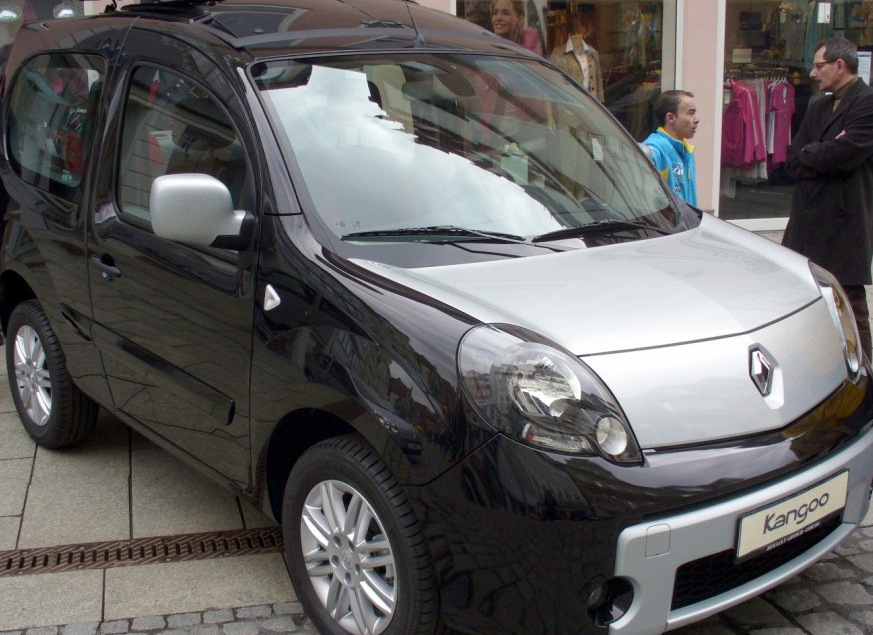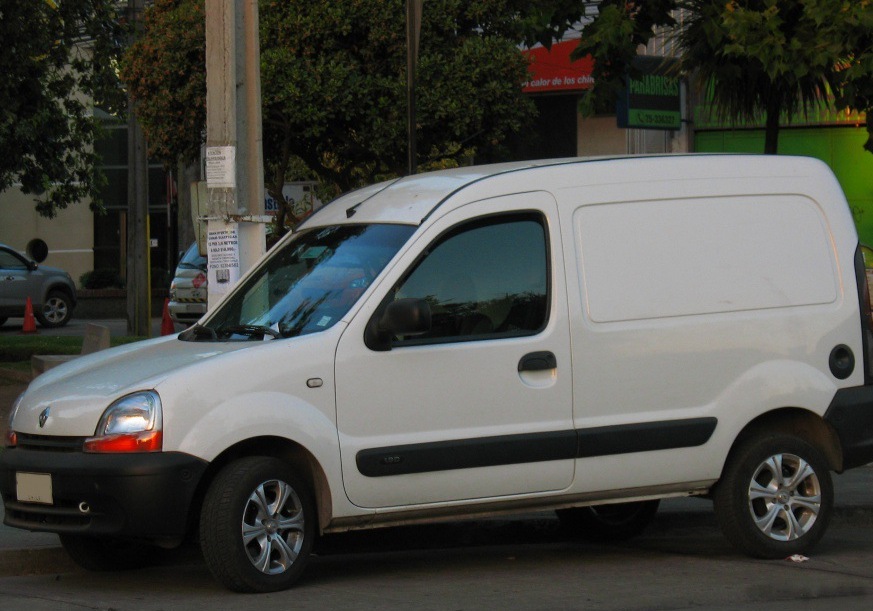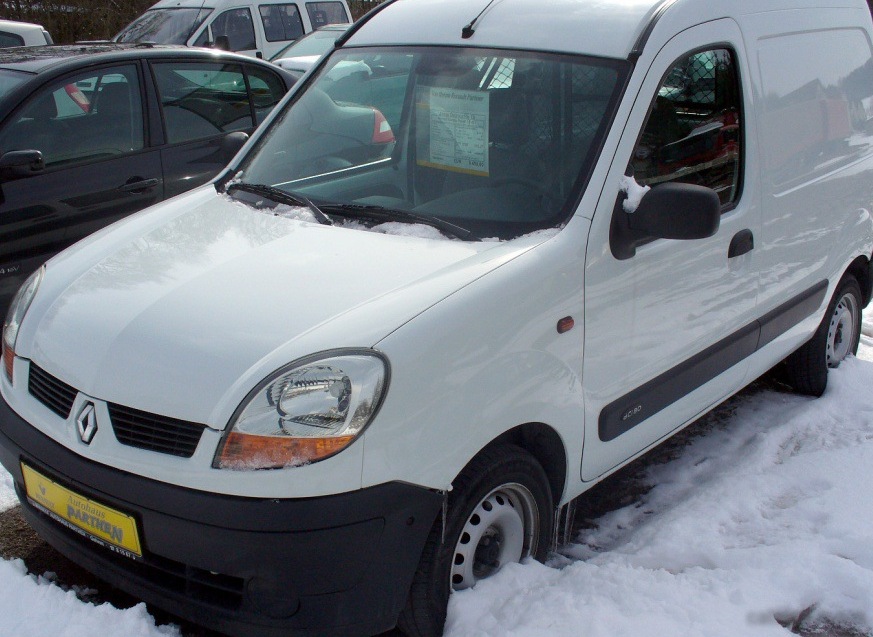
The Renault Kangoo I Express, specifically the facelifted version produced from 2003 to 2005, offered a range of engine and trim options tailored to the commercial vehicle market in Europe. The 1.2-liter (58 horsepower) variant, designated with the D7F engine code, represented the entry-level powertrain choice for this practical and versatile van. Positioned as a cost-effective solution for businesses and tradespeople, this configuration prioritized fuel efficiency and affordability over outright performance. The Kangoo I, launched in 1997, was a significant departure for Renault, moving away from traditional van designs and embracing a more car-like approach to both styling and driving experience. The 2003 facelift brought subtle cosmetic updates and refinements to the interior, enhancing the Kangoo’s appeal.
Technical Specifications
| Brand | Renault |
| Model | Kangoo |
| Generation | Kangoo I Express (FC, facelift 2003) |
| Type (Engine) | 1.2 (58 Hp) |
| Start of production | 2003 |
| End of production | 2005 |
| Powertrain Architecture | Internal Combustion engine |
| Body type | Minivan |
| Seats | 2 |
| Doors | 3/4 |
| Fuel consumption (urban) | 8.3 l/100 km (28.3 US mpg, 34 UK mpg, 12 km/l) |
| Fuel consumption (extra urban) | 6.1 l/100 km (38.6 US mpg, 46.3 UK mpg, 16.4 km/l) |
| Fuel consumption (combined) | 6.9 l/100 km (34.1 US mpg, 40.9 UK mpg, 14.5 km/l) |
| CO2 emissions | 163 g/km |
| Fuel Type | Petrol (Gasoline) |
| Acceleration 0 – 100 km/h | 18.9 sec |
| Acceleration 0 – 62 mph | 18.9 sec |
| Acceleration 0 – 60 mph | 18 sec |
| Maximum speed | 140 km/h (86.99 mph) |
| Emission standard | Euro 3 |
| Weight-to-power ratio | 17.4 kg/Hp, 57.4 Hp/tonne |
| Weight-to-torque ratio | 10.9 kg/Nm, 92.1 Nm/tonne |
| Power | 58 Hp @ 5250 rpm |
| Power per litre | 50.5 Hp/l |
| Torque | 93 Nm @ 2500 rpm (68.59 lb.-ft. @ 2500 rpm) |
| Engine layout | Front, Transverse |
| Engine Model/Code | D7F |
| Engine displacement | 1149 cm3 (70.12 cu. in.) |
| Number of cylinders | 4 |
| Engine configuration | Inline |
| Cylinder Bore | 69 mm (2.72 in.) |
| Piston Stroke | 76.8 mm (3.02 in.) |
| Compression ratio | 9.6:1 |
| Number of valves per cylinder | 2 |
| Fuel injection system | Multi-port manifold injection |
| Engine aspiration | Naturally aspirated engine |
| Engine oil capacity | 4 l (4.23 US qt | 3.52 UK qt) |
| Kerb Weight | 1010 kg (2226.67 lbs.) |
| Max. weight | 1615 kg (3560.47 lbs.) |
| Max load | 605 kg (1333.8 lbs.) |
| Trunk (boot) space – maximum | 3000 l (105.94 cu. ft.) |
| Fuel tank capacity | 50 l (13.21 US gal | 11 UK gal) |
| Max. roof load | 100 kg (220.46 lbs.) |
| Permitted trailer load with brakes (12%) | 765 kg (1686.54 lbs.) |
| Permitted trailer load without brakes | 505 kg (1113.33 lbs.) |
| Permitted towbar download | 75 kg (165.35 lbs.) |
| Length | 4035 mm (158.86 in.) |
| Width | 1672 mm (65.83 in.) |
| Width including mirrors | 2031 mm (79.96 in.) |
| Height | 1835 mm (72.24 in.) |
| Wheelbase | 2605 mm (102.56 in.) |
| Front track | 1405 mm (55.31 in.) |
| Rear (Back) track | 1410 mm (55.51 in.) |
| Front overhang | 730 mm (28.74 in.) |
| Rear overhang | 700 mm (27.56 in.) |
| Minimum turning circle | 10.79 m (35.4 ft.) |
| Drivetrain Architecture | The Internal combustion engine (ICE) drives the front wheels of the vehicle. |
| Drive wheel | Front wheel drive |
| Number of gears and type of gearbox | 5 gears, manual transmission |
| Front suspension | Independent type McPherson |
| Rear suspension | Coil spring |
| Front brakes | Ventilated discs |
| Rear brakes | Drum |
| Steering type | Steering rack and pinion |
| Tires size | 165/70 R14 C |
| Wheel rims size | 5.5J x 14 |
Powertrain & Engine Architecture
The heart of this Kangoo variant is the Renault D7F engine, a 1.2-liter inline-four cylinder petrol engine. This engine, a mainstay in Renault’s small car lineup for many years, is known for its simplicity and durability. The D7F utilizes a single overhead camshaft (SOHC) valvetrain with two valves per cylinder. Fuel delivery is managed by a multi-point fuel injection system, providing adequate, though not exceptional, combustion control. The engine’s 9.6:1 compression ratio is a compromise between efficiency and performance. The 58 horsepower output is achieved at 5250 rpm, while peak torque of 93 Nm (68.59 lb-ft) arrives at 2500 rpm. The engine is transversely mounted at the front of the vehicle, driving the front wheels. The transmission is a five-speed manual gearbox, chosen for its cost-effectiveness and suitability for commercial applications. While an automatic transmission was offered on other Kangoo variants, it wasn’t available with the 1.2-liter engine.
Driving Characteristics
The 1.2-liter Kangoo Express is not a performance-oriented vehicle. Acceleration is leisurely, taking approximately 18.9 seconds to reach 62 mph (100 km/h). The focus is on practicality and fuel economy. The manual gearbox, while not particularly sporty, offers precise shifts and allows the driver to make the most of the available power. The gear ratios are optimized for low-speed torque and efficient cruising. Compared to the more powerful 1.6-liter or diesel variants, the 1.2-liter feels noticeably underpowered, especially when fully loaded. However, for urban deliveries and short trips, the engine provides sufficient power. The suspension, tuned for comfort and load-carrying capacity, provides a reasonably smooth ride, even on uneven surfaces.
Equipment & Trim Levels
The 1.2-liter Kangoo Express typically came with a basic level of equipment, reflecting its position as the entry-level model. Standard features generally included power steering, a driver’s airbag, and a basic audio system. The interior was functional and durable, with hard-wearing plastics and cloth upholstery. Optional extras included air conditioning, electric windows, and a passenger airbag. The van’s interior is designed for practicality, with a flat load floor and numerous tie-down points. The rear doors, often a split tailgate configuration, provide easy access to the cargo area.
Chassis & Braking
The Kangoo I Express utilizes a McPherson strut independent suspension system at the front, providing a good balance of comfort and handling. The rear suspension consists of a coil spring setup. Braking duties are handled by ventilated discs at the front and drum brakes at the rear. This configuration was typical for vehicles in this weight class and price range. The steering is a rack and pinion system, offering reasonable precision and feedback. The tires are typically 165/70 R14 C, designed for commercial use and offering good durability and load-carrying capacity.
Market Reception & Comparison
The 1.2-liter Kangoo Express was well-received by businesses and tradespeople looking for an affordable and reliable van. Critics praised its practicality, fuel efficiency, and ease of use. However, the engine’s lack of power was a common criticism. Compared to the 1.6-liter petrol and 1.9 dCi diesel variants, the 1.2-liter offered significantly lower performance but also lower running costs. The diesel models, while more expensive to purchase, provided superior fuel economy and torque, making them ideal for long-distance deliveries and heavier loads. The 1.6-liter petrol offered a compromise between performance and economy.
Legacy
The Renault Kangoo I, and particularly the 1.2-liter variant, established a reputation for reliability and durability. The D7F engine, while not known for its sophistication, is relatively simple to maintain and repair. In the used car market, these Kangoos are often sought after for their affordability and practicality. While not a collector’s item, a well-maintained example can still provide years of reliable service. Common issues include wear and tear on suspension components and potential corrosion, particularly in areas exposed to salt. Overall, the 1.2-liter Kangoo Express remains a viable option for those seeking a basic, affordable, and dependable commercial vehicle.