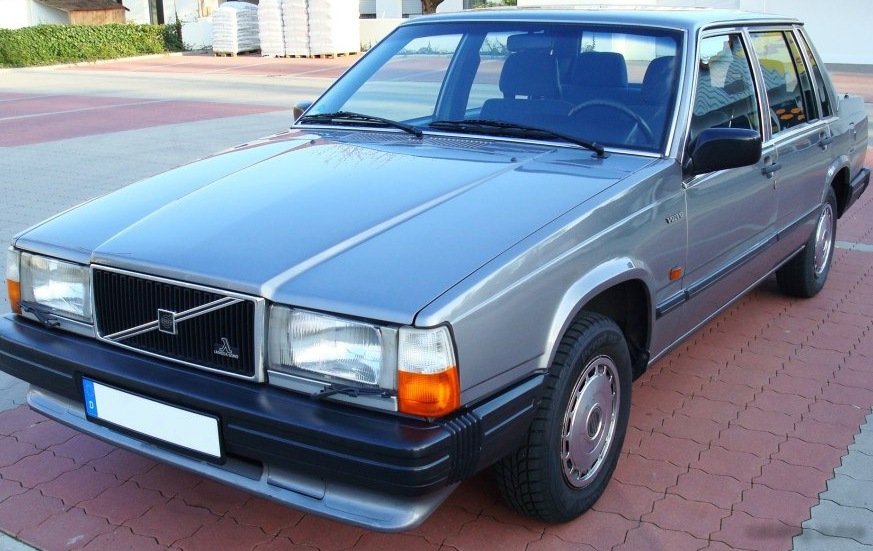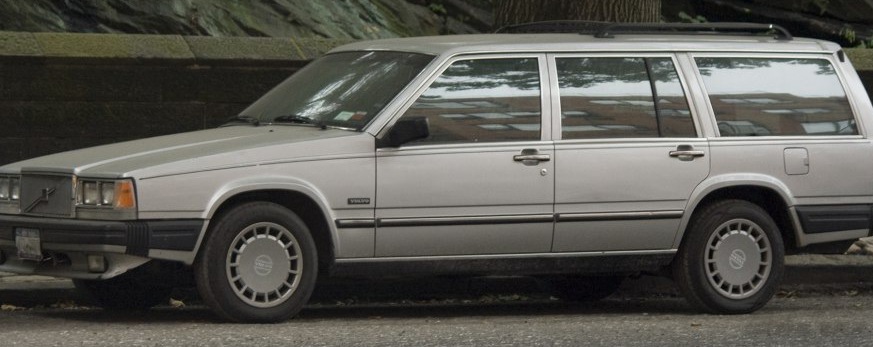
The Volvo 740 Combi (specifically the 745 model) with the 2.3-liter 16-valve engine producing 156 horsepower was a significant offering from Volvo between 1987 and 1990. This variant occupied a middle ground within the 740 series, offering a blend of practicality, performance, and relative luxury compared to the base models. It represented a step up from the lower-powered, typically carbureted engines, appealing to buyers who desired more spirited driving without the expense or complexity of the turbocharged options. The 745, denoting the five-door wagon body style, was a cornerstone of Volvo’s reputation for building safe, durable, and family-oriented vehicles, particularly popular in Europe and gaining traction in the North American market.
Technical Specifications
| Brand | Volvo |
| Model | 740 |
| Generation | 740 Combi (745) |
| Type (Engine) | 2.3 16V (156 Hp) |
| Start of production | 1987 |
| End of production | 1990 |
| Powertrain Architecture | Internal Combustion engine |
| Body type | Station wagon (estate) |
| Seats | 5 |
| Doors | 5 |
| Fuel Type | Petrol (Gasoline) |
| Power | 156 Hp |
| Engine Model/Code | B234F |
| Number of cylinders | 4 |
| Number of valves per cylinder | 4 |
| Engine aspiration | Naturally aspirated engine |
| Engine oil capacity | 3.9 l (4.12 US qt | 3.43 UK qt) |
| Coolant capacity | 9.3 l (9.83 US qt | 8.18 UK qt) |
| Fuel tank capacity | 60 l (15.85 US gal | 13.2 UK gal) |
Powertrain & Engine Architecture
The heart of the 745 2.3 16V is the B234F engine, a 2.3-liter inline-four cylinder powerplant. This engine represented a significant upgrade over the earlier Volvo engines, featuring a cast iron block and an aluminum cylinder head. The “16V” designation refers to the four valves per cylinder, a key element in boosting power and improving breathing. Fuel delivery was handled by Bosch mechanical fuel injection – a system known for its reliability, though less sophisticated than later electronic fuel injection systems. The engine utilized a single overhead camshaft (SOHC) design, simplifying maintenance and contributing to its durability. The B234F produced 156 horsepower at approximately 5800 rpm and 155 lb-ft of torque at 3700 rpm. Volvo’s commitment to robustness meant the engine was overbuilt, contributing to its longevity. The transmission options typically included a four-speed automatic or a five-speed manual. The automatic, while providing convenience, did impact acceleration compared to the manual.
Driving Characteristics
The 745 2.3 16V offered a noticeably more engaging driving experience than the lower-powered 740 variants. While not a sports car, the 156 horsepower provided adequate acceleration for highway merging and passing maneuvers. The automatic transmission, while smooth, had relatively widely spaced gear ratios, which could sometimes feel sluggish during quick acceleration. The manual transmission, conversely, allowed for better control and maximized the engine’s potential. The car’s weight, typical of Volvo’s construction philosophy, meant it wasn’t particularly nimble, but the well-tuned suspension provided a comfortable and stable ride. Steering was relatively heavy, providing good feedback, but requiring more effort at lower speeds. Compared to the turbocharged 740 models, the 2.3 16V lacked the immediate punch of turbo boost, but offered a more linear and predictable power delivery.
Equipment & Trim Levels
The 745 2.3 16V typically came with a reasonably well-equipped interior for its time. Standard features included comfortable cloth upholstery, power steering, and a basic stereo system. Higher trim levels, often denoted by “GL” or “GLE” designations, added features such as electric windows, central locking, a sunroof, and upgraded interior trim. Optional extras included leather upholstery, heated front seats, and a more sophisticated audio system. The dashboard layout was functional and ergonomically designed, typical of Volvo’s focus on usability. Safety features, a Volvo hallmark, were standard, including three-point seatbelts for all occupants and a reinforced safety cage.
Chassis & Braking
The 745 2.3 16V utilized a MacPherson strut front suspension and a solid axle rear suspension. The rear suspension often featured a stabilizer bar, improving handling and reducing body roll. Braking systems varied depending on the market and trim level. Base models typically had disc brakes in the front and drum brakes in the rear. Higher-spec models often featured disc brakes on all four wheels, providing improved stopping power. The braking system was generally reliable, but lacked the sophistication of modern anti-lock braking systems (ABS), which were not standard equipment on all models.
Market Reception & Comparison
The 745 2.3 16V was generally well-received by automotive critics. It was praised for its blend of practicality, safety, and improved performance compared to the base models. However, some critics noted that the automatic transmission detracted from the driving experience. Compared to the turbocharged 740 models, the 2.3 16V offered a more affordable entry point into the 740 range, appealing to buyers who didn’t require the extra power of the turbo. Fuel economy was reasonable for the time, averaging around 20-25 mpg in mixed driving. The 2.3 16V was often seen as a sweet spot in the 740 lineup, offering a good balance of features and performance without the higher price tag of the turbocharged variants.
Legacy
The Volvo 740 series, and the 745 2.3 16V in particular, has developed a strong following among enthusiasts. The B234F engine is renowned for its durability and reliability, and many examples are still on the road today. The car’s simple mechanical design makes it relatively easy to maintain and repair. In the used car market, well-maintained 745 2.3 16V models are sought after by collectors and enthusiasts who appreciate their classic Volvo charm, practicality, and robust construction. Parts availability remains good, thanks to a dedicated aftermarket and Volvo’s continued support for older models. The 745 2.3 16V stands as a testament to Volvo’s commitment to building safe, durable, and long-lasting vehicles.