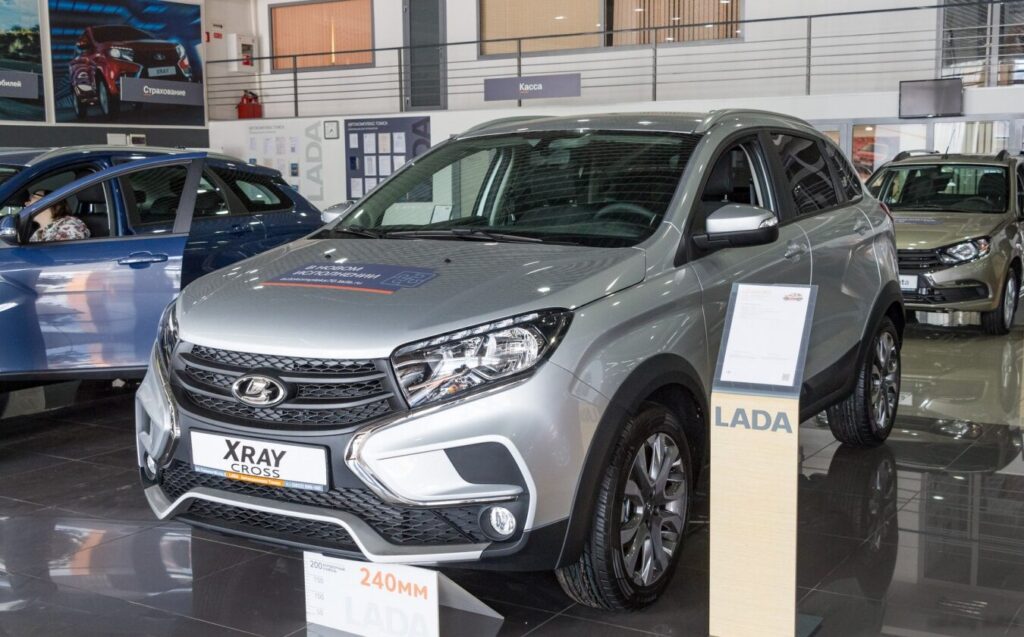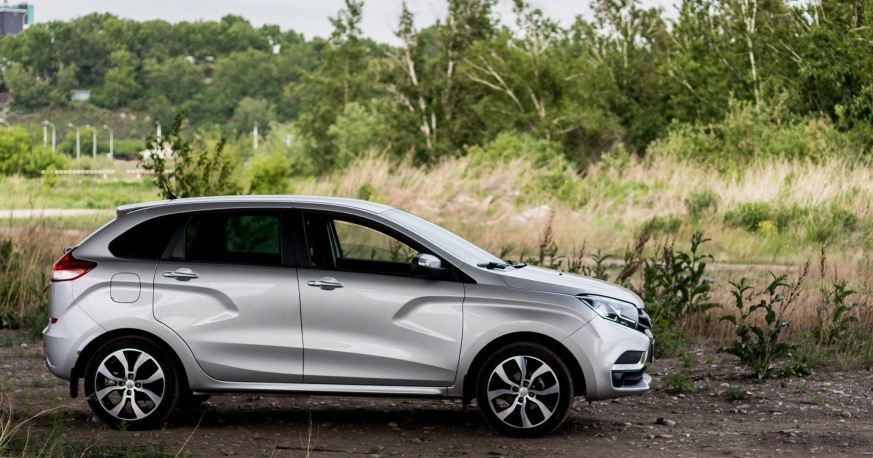
The Lada XRAY 1.6 16V, producing 106 horsepower, was a significant model for AvtoVAZ, the Russian automaker, beginning with its introduction in 2016. Positioned as an entry-level crossover within the XRAY range, it aimed to appeal to buyers seeking an affordable and relatively modern vehicle with increased ground clearance and practicality. The XRAY itself represented a departure for Lada, incorporating design elements influenced by Renault, a key partner in the AvtoVAZ joint venture. This variant, with its 1.6-liter engine and five-speed manual transmission, was intended to be the volume seller, offering a balance between cost and usability in the Russian market and export regions.
Technical Specifications
| Brand | Lada |
| Model | XRAY |
| Generation | XRAY |
| Type (Engine) | 1.6 16V (106 Hp) |
| Start of production | 2016 |
| Powertrain Architecture | Internal Combustion engine |
| Body type | Crossover |
| Seats | 5 |
| Doors | 5 |
| Fuel consumption (urban) | 9.3 l/100 km (25.3 US mpg) |
| Fuel consumption (extra urban) | 5.9 l/100 km (39.9 US mpg) |
| Fuel consumption (combined) | 7.2 l/100 km (32.7 US mpg) |
| Fuel Type | Petrol (Gasoline) |
| Acceleration 0 – 100 km/h | 11.4 sec |
| Acceleration 0 – 62 mph | 11.4 sec |
| Acceleration 0 – 60 mph | 10.8 sec |
| Maximum speed | 176 km/h (109.36 mph) |
| Weight-to-power ratio | 11.2 kg/Hp |
| Weight-to-torque ratio | 8 kg/Nm |
| Power | 106 Hp @ 5800 rpm |
| Torque | 148 Nm @ 4200 rpm (109.16 lb.-ft. @ 4200 rpm) |
| Engine layout | Front, Transverse |
| Engine Model/Code | VAZ-21129 |
| Engine displacement | 1596 cm3 (97.39 cu. in.) |
| Number of cylinders | 4 |
| Engine configuration | Inline |
| Number of valves per cylinder | 4 |
| Fuel injection system | Multi-port manifold injection |
| Engine aspiration | Naturally aspirated engine |
| Kerb Weight | 1190-1250 kg (2623.5 – 2755.78 lbs.) |
| Max. weight | 1650 kg (3637.63 lbs.) |
| Max load | 400-460 kg (881.85 – 1014.13 lbs.) |
| Trunk (boot) space – minimum | 361 l (12.75 cu. ft.) |
| Trunk (boot) space – maximum | 1207 l (42.62 cu. ft.) |
| Fuel tank capacity | 50 l (13.21 US gal | 11 UK gal) |
| Permitted trailer load with brakes (12%) | 800 kg (1763.7 lbs.) |
| Permitted trailer load without brakes | 600 kg (1322.77 lbs.) |
| Length | 4165 mm (163.98 in.) |
| Width | 1764 mm (69.45 in.) |
| Height | 1570 mm (61.81 in.) |
| Wheelbase | 2592 mm (102.05 in.) |
| Front track | 1484-1492 mm (58.43 – 58.74 in.) |
| Rear (Back) track | 1524-1532 mm (60 – 60.31 in.) |
| Ride height (ground clearance) | 195 mm (7.68 in.) |
| Drivetrain Architecture | Front wheel drive |
| Number of gears and type of gearbox | 5 gears, manual transmission |
| Front suspension | Independent, type McPherson with coil spring and anti-roll bar |
| Rear suspension | Semi-independent, coil spring |
| Front brakes | Ventilated discs |
| Rear brakes | Drum |
| Assisting systems | ABS (Anti-lock braking system) |
| Steering type | Steering rack and pinion |
| Power steering | Electric Steering |
| Tires size | 205/55 R16; 195/65 R15 |
| Wheel rims size | 16; 15 |
Powertrain & Engine Architecture
The heart of the XRAY 1.6 16V is the VAZ-21129 engine, a 1.6-liter inline-four cylinder gasoline engine. This engine is a development of the long-running VAZ-2112 series, featuring a multi-point fuel injection system. The engine utilizes a single overhead camshaft (SOHC) design with four valves per cylinder, contributing to its modest power output. While not a particularly advanced engine by modern standards, it was known for its relative simplicity and robustness. The five-speed manual transmission was the standard offering for this trim level, providing a straightforward driving experience. The transmission’s gear ratios were tuned for fuel efficiency and acceptable acceleration, rather than outright performance.
Driving Characteristics
The XRAY 1.6 16V offered a predictable, if not exhilarating, driving experience. With 106 horsepower and 148 Nm of torque, acceleration was adequate for everyday driving, but overtaking maneuvers required planning. The five-speed manual transmission allowed drivers to keep the engine in its optimal power band, but the engine lacked the responsiveness of turbocharged alternatives. The suspension, tuned for comfort, provided a reasonably smooth ride on typical Russian road surfaces. The front-wheel-drive configuration offered predictable handling, although it wasn’t particularly sporty. Compared to higher-trim XRAY models with more powerful engines, this variant prioritized fuel economy and affordability over performance.
Equipment & Trim Levels
The 1.6 16V XRAY typically came with a basic level of equipment. Standard features generally included power front windows, central locking, an audio system with USB connectivity, and ABS brakes. Air conditioning was often an optional extra. Interior upholstery was typically cloth, and the dashboard featured a functional, if somewhat utilitarian, design. Higher trim levels offered features like alloy wheels, fog lights, and a more comprehensive audio system. The focus of this trim was on providing essential features at a competitive price point.
Chassis & Braking
The XRAY’s chassis featured an independent McPherson strut suspension at the front and a semi-independent coil spring suspension at the rear. This setup provided a reasonable balance between ride comfort and handling. The front brakes were ventilated discs, offering adequate stopping power, while the rear brakes were drums, a cost-saving measure. The electric power steering provided light and easy steering, making it suitable for urban driving. The increased ride height, a key selling point of the XRAY, allowed it to navigate rough roads and snow-covered conditions with greater ease.
Market Reception & Comparison
The Lada XRAY 1.6 16V was generally well-received in the Russian market as an affordable and practical crossover. Critics praised its spacious interior, increased ground clearance, and relatively modern design. However, the engine’s modest power output and the somewhat basic interior were points of criticism. Compared to other trims in the XRAY lineup, such as those equipped with the 1.8-liter engine, the 1.6 16V offered better fuel economy but significantly less performance. Its main competitors included other budget-friendly crossovers from brands like Renault and Hyundai.
Legacy
The Lada XRAY 1.6 16V powertrain has proven to be reasonably reliable, benefiting from the simplicity of its design. While not known for its longevity in the same way as some Japanese engines, it is generally considered a durable and relatively inexpensive to maintain. In the used car market, this variant remains a popular choice for budget-conscious buyers seeking a practical and affordable crossover. Its simplicity and readily available parts contribute to its continued appeal. The XRAY, in general, helped modernize Lada’s image and establish the brand as a viable competitor in the crossover segment.