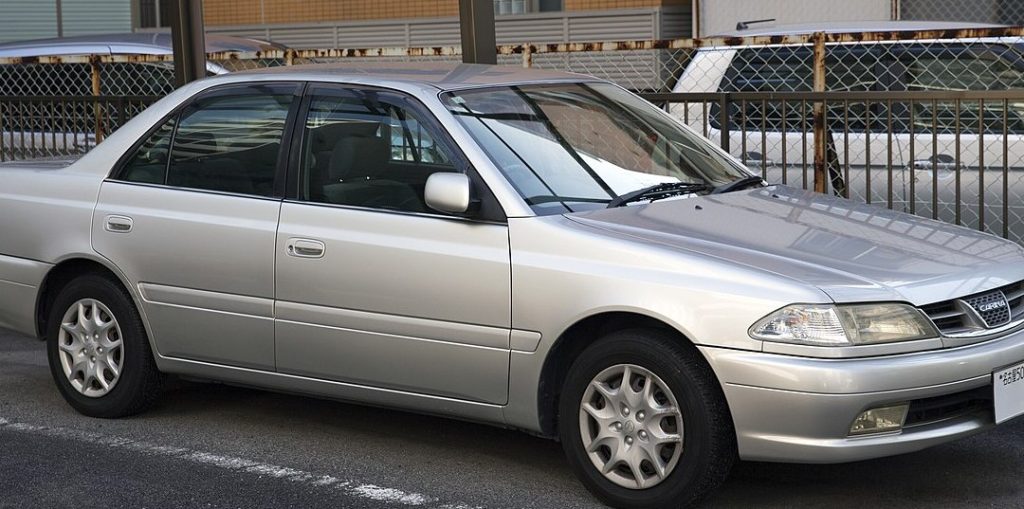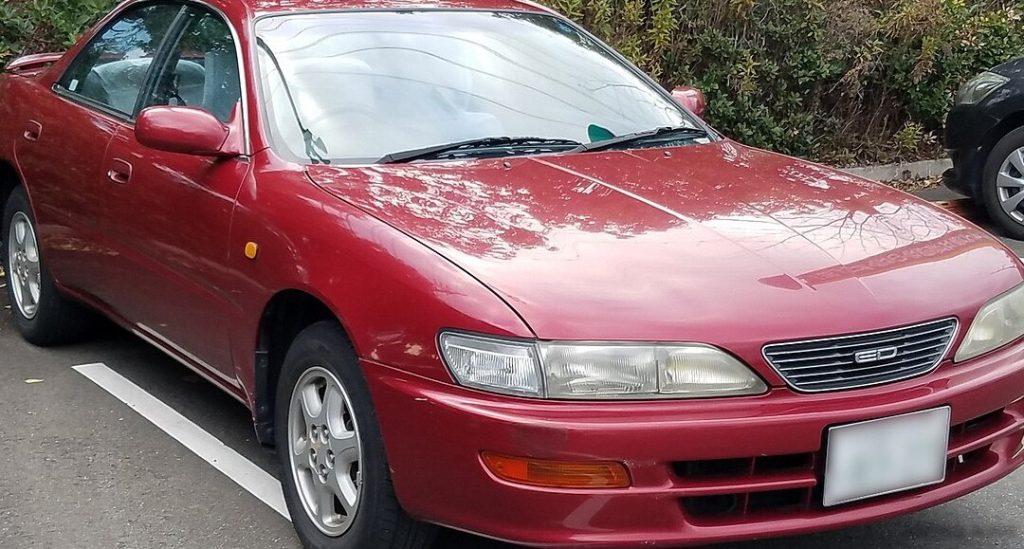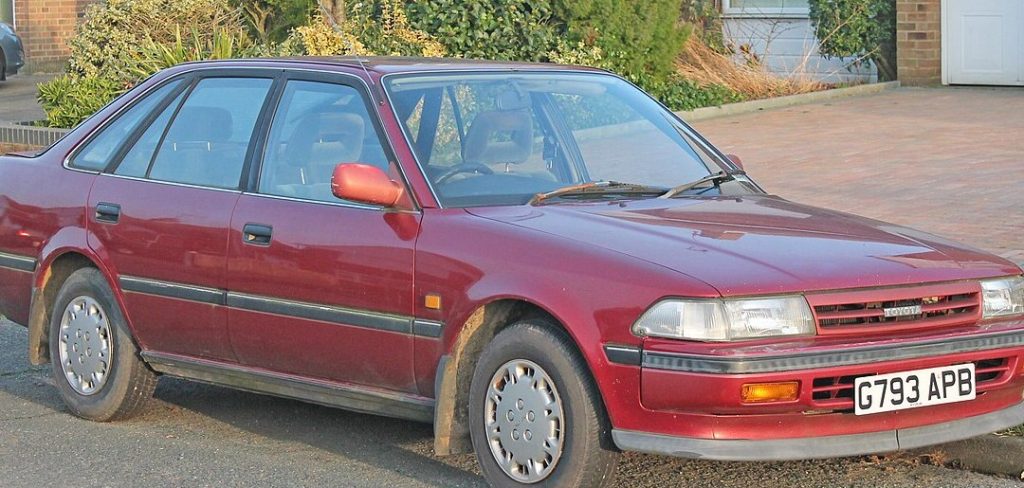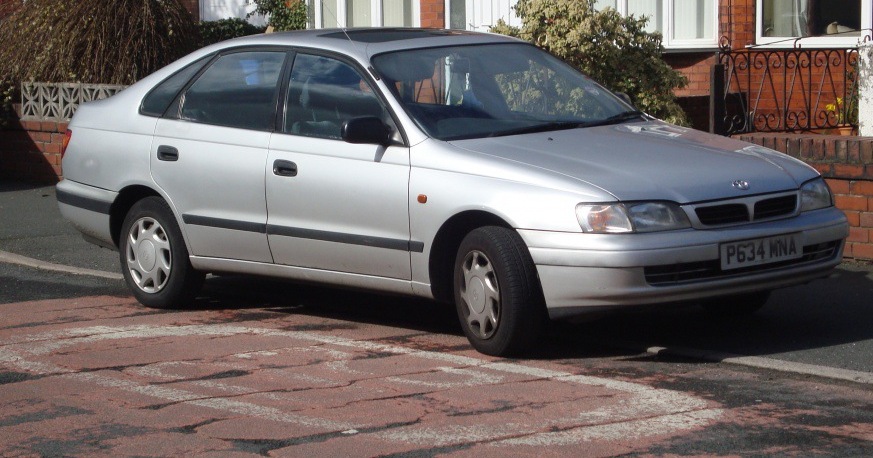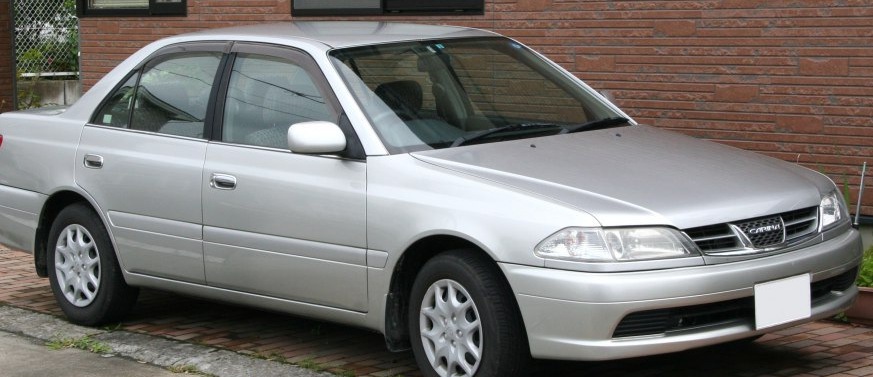
The Toyota Carina (T21) 2.0i, produced between 1996 and 2001, represented a significant iteration of Toyota’s mid-size sedan. Positioned as a more upscale offering compared to the Corolla, the T21 Carina aimed to provide a comfortable and reliable driving experience with a touch of sophistication. This generation of Carina was primarily marketed in Japan and Europe, and wasn’t officially sold in the United States. The 2.0i variant, equipped with the 3S-FE engine and a five-speed manual transmission, occupied a middle ground within the T21 lineup, offering a balance between performance and fuel efficiency. It sat above the base 1.6L models and below the more powerful 2.2L options.
Technical Specifications
| Brand | Toyota |
| Model | Carina |
| Generation | Carina (T21) |
| Type (Engine) | 2.0i (135 Hp) |
| Start of production | 1996 |
| End of production | 2001 |
| Powertrain Architecture | Internal Combustion engine |
| Body type | Sedan |
| Seats | 5 |
| Doors | 4 |
| Fuel Type | Petrol (Gasoline) |
| Weight-to-power ratio | 8.4 kg/Hp, 119.5 Hp/tonne |
| Weight-to-torque ratio | 6.2 kg/Nm, 160.2 Nm/tonne |
| Power | 135 Hp @ 6000 rpm |
| Power per litre | 67.6 Hp/l |
| Torque | 181 Nm @ 4000 rpm (133.5 lb.-ft. @ 4000 rpm) |
| Engine layout | Front, Transverse |
| Engine Model/Code | 3S-FE |
| Engine displacement | 1998 cm3 (121.93 cu. in.) |
| Number of cylinders | 4 |
| Engine configuration | Inline |
| Cylinder Bore | 86 mm (3.39 in.) |
| Piston Stroke | 86 mm (3.39 in.) |
| Compression ratio | 10:1 |
| Number of valves per cylinder | 4 |
| Fuel injection system | Multi-port manifold injection |
| Engine aspiration | Naturally aspirated engine |
| Valvetrain | DOHC |
| Engine oil capacity | 3.9 l (4.12 US qt | 3.43 UK qt) |
| Coolant | 6.6 l (6.97 US qt | 5.81 UK qt) |
| Kerb Weight | 1130 kg (2491.22 lbs) |
| Fuel tank capacity | 60 l (15.85 US gal | 13.2 UK gal) |
| Length | 4495 mm (176.97 in) |
| Width | 1695 mm (66.73 in) |
| Height | 1410 mm (55.51 in) |
| Wheelbase | 2580 mm (101.57 in) |
| Front track | 1465 mm (57.68 in) |
| Rear (Back) track | 1450 mm (57.09 in) |
| Minimum turning circle | 10.2 m (33.46 ft) |
| Drivetrain Architecture | Front wheel drive |
| Number of gears | 5 gears, manual transmission |
| Front brakes | Ventilated discs |
| Rear brakes | Drum |
Powertrain & Engine Architecture
The heart of the Carina 2.0i was the 3S-FE engine, a 1.998-liter inline-four cylinder powerplant. This engine was a mainstay in Toyota’s lineup during the 1990s and early 2000s, known for its reliability and relatively smooth operation. The 3S-FE featured a double overhead camshaft (DOHC) valvetrain with four valves per cylinder, contributing to its respectable power output. Fuel delivery was handled by a multi-port fuel injection system, optimizing combustion efficiency. The engine’s 10:1 compression ratio was a standard figure for naturally aspirated engines of the era. The five-speed manual transmission provided drivers with a direct connection to the engine, allowing for precise control and engaging driving experience. Gear ratios were tuned for a balance of acceleration and highway cruising, with a relatively tall fifth gear to improve fuel economy at higher speeds.
Driving Characteristics
The 2.0i variant of the Carina T21 offered a composed and comfortable driving experience. With 135 horsepower on tap, acceleration was adequate for everyday driving, though not particularly sporty. The engine delivered a linear powerband, making it easy to modulate throttle response. The five-speed manual transmission allowed drivers to keep the engine in its optimal power range, providing a more responsive feel compared to the available automatic transmission. Compared to the base 1.6L models, the 2.0i offered noticeably more power and torque, resulting in improved acceleration and passing ability. However, it didn’t possess the outright performance of the larger 2.2L engines found in higher-spec Carina models. The front-wheel-drive configuration provided predictable handling, although it lacked the dynamic finesse of rear-wheel-drive competitors.
Equipment & Trim Levels
The Carina 2.0i typically came equipped with a reasonable level of standard features. Interior appointments included cloth upholstery, power windows, power door locks, and a basic audio system. Air conditioning was generally standard, though some base models might have offered it as an option. Higher trim levels could add features like alloy wheels, a sunroof, upgraded audio systems, and woodgrain interior trim. The dashboard layout was functional and straightforward, prioritizing ease of use over stylistic flair. Safety features included dual airbags and anti-lock brakes (ABS) on some models.
Chassis & Braking
The Carina T21 utilized a MacPherson strut front suspension and a torsion beam rear suspension. This setup provided a comfortable ride quality, absorbing bumps and imperfections in the road surface effectively. The front suspension incorporated a stabilizer bar to reduce body roll during cornering. Braking duties were handled by ventilated discs at the front and drum brakes at the rear. While the front discs provided adequate stopping power, the rear drums were a cost-saving measure that limited overall braking performance. The chassis was designed to provide a balance of rigidity and weight, contributing to the car’s stable handling characteristics.
Market Reception & Comparison
The Toyota Carina T21 2.0i was generally well-received by automotive critics in its primary markets. It was praised for its reliability, comfortable ride, and fuel efficiency. However, some reviewers noted that its styling was somewhat conservative and that its driving dynamics weren’t as engaging as those of some European competitors. Compared to the 1.6L Carina models, the 2.0i offered a significant performance upgrade, making it a more appealing option for drivers who prioritized power and responsiveness. Against the larger 2.2L Carina variants, the 2.0i represented a more affordable and fuel-efficient alternative, albeit with slightly less performance.
Legacy
The Toyota Carina T21, including the 2.0i variant, has proven to be a durable and reliable vehicle over the long term. The 3S-FE engine is known for its longevity, and with proper maintenance, can easily exceed 200,000 miles. In the used car market, the Carina T21 is often sought after by buyers looking for an affordable and dependable mid-size sedan. While it may not offer the same level of modern features or performance as newer vehicles, its reputation for reliability and low running costs makes it a practical choice. Parts availability is generally good, as many components were shared with other Toyota models of the era. The Carina T21 represents a solid example of Toyota’s commitment to building quality and dependable automobiles.