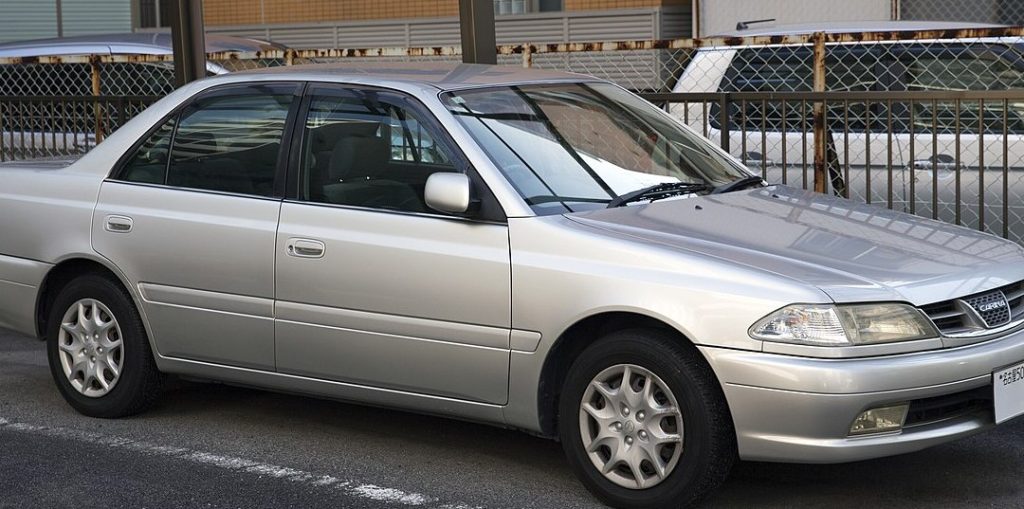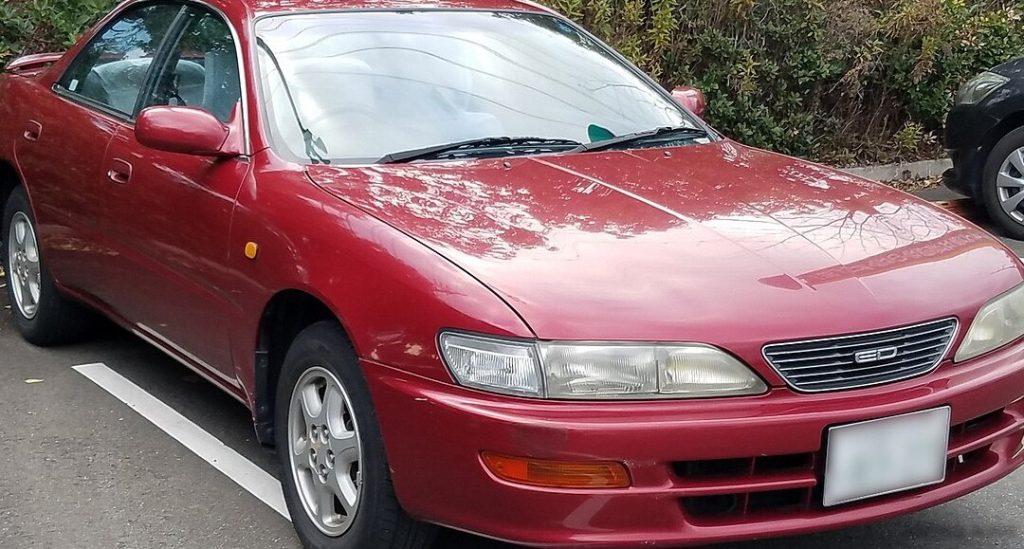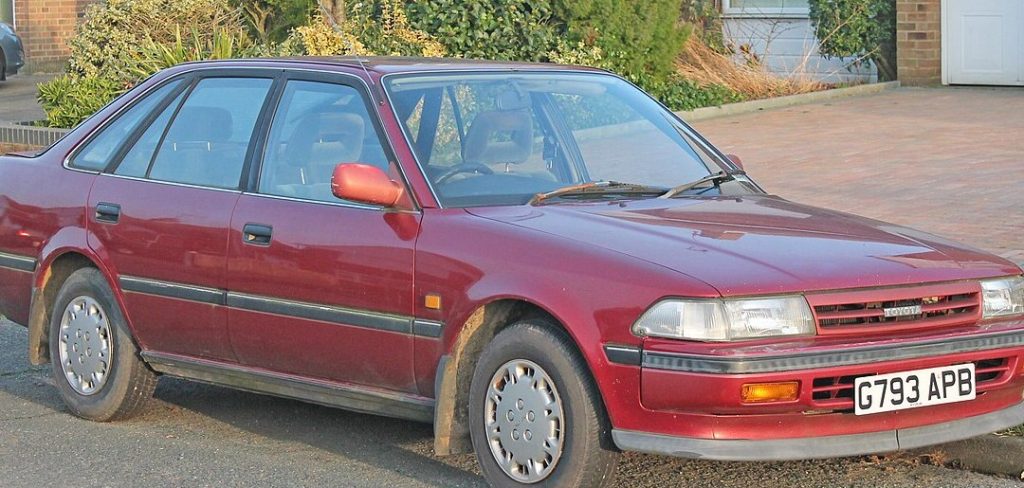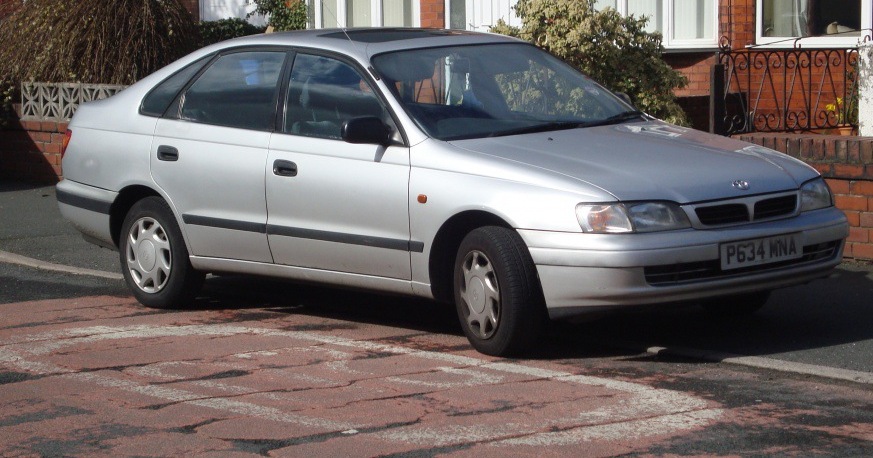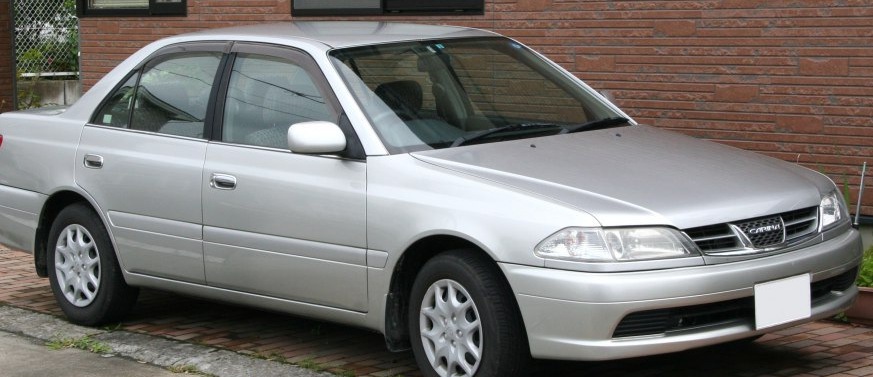
The Toyota Carina (T21) 2.2 DT, produced between 1996 and 2001, represented a significant offering in Toyota’s mid-size sedan lineup. Positioned as a practical and economical choice, the 2.2 DT variant – equipped with a 2.2-liter turbocharged diesel engine producing 91 horsepower – catered to buyers prioritizing fuel efficiency and durability over outright performance. The T21 generation Carina was primarily marketed in Europe, Japan, and Australia, serving as a competitor to models like the Ford Mondeo, Opel Vectra, and Honda Accord. It was built on the Toyota T platform, shared with other Toyota models of the era, and offered a blend of comfort, reliability, and value.
Technical Specifications
| Brand | Toyota |
| Model | Carina |
| Generation | Carina (T21) |
| Type (Engine) | 2.2 DT (91 Hp) |
| Start of production | 1996 year |
| End of production | 2001 year |
| Powertrain Architecture | Internal Combustion engine |
| Body type | Sedan |
| Seats | 5 |
| Doors | 4 |
| Fuel Type | Diesel |
| Weight-to-power ratio | 12.4 kg/Hp, 80.5 Hp/tonne |
| Weight-to-torque ratio | 5.9 kg/Nm, 169.9 Nm/tonne |
| Power | 91 Hp @ 4000 rpm |
| Power per litre | 41.7 Hp/l |
| Torque | 192 Nm @ 2200 rpm (141.61 lb.-ft. @ 2200 rpm) |
| Engine layout | Front, Transverse |
| Engine Model/Code | 3C-TE |
| Engine displacement | 2184 cm3 (133.28 cu. in.) |
| Number of cylinders | 4 |
| Engine configuration | Inline |
| Cylinder Bore | 86 mm (3.39 in.) |
| Piston Stroke | 94 mm (3.7 in.) |
| Compression ratio | 22.6:1 |
| Number of valves per cylinder | 2 |
| Fuel injection system | Precombustion chamber injection |
| Engine aspiration | Turbocharger |
| Valvetrain | OHC |
| Engine oil capacity | 5.1 l (5.39 US qt | 4.49 UK qt) |
| Coolant | 7 l (7.4 US qt | 6.16 UK qt) |
| Kerb Weight | 1130 kg (2491.22 lbs.) |
| Fuel tank capacity | 60 l (15.85 US gal | 13.2 UK gal) |
| Length | 4495 mm (176.97 in.) |
| Width | 1695 mm (66.73 in.) |
| Height | 1410 mm (55.51 in.) |
| Wheelbase | 2580 mm (101.57 in.) |
| Front track | 1465 mm (57.68 in.) |
| Rear (Back) track | 1450 mm (57.09 in.) |
| Minimum turning circle (turning diameter) | 10.2 m (33.46 ft.) |
| Drivetrain Architecture | The Internal combustion engine (ICE) drives the front wheels of the vehicle. |
| Drive wheel | Front wheel drive |
| Number of gears and type of gearbox | 5 gears, manual transmission |
| Front brakes | Ventilated discs |
| Rear brakes | Drum |
Powertrain & Engine Architecture
The heart of the Carina 2.2 DT was the 3C-TE engine, a 2.2-liter inline-four cylinder diesel. This engine utilized a precombustion chamber injection system, a common design for diesel engines of the era, which improved combustion efficiency and reduced noise. The addition of a turbocharger significantly boosted power output compared to naturally aspirated diesel versions. The 3C-TE featured an overhead camshaft (OHC) valvetrain, operating two valves per cylinder. The engine’s robust construction and relatively simple design contributed to its reputation for reliability. The 5-speed manual transmission was the standard offering for this variant, providing a direct connection between the engine and the front wheels. The gearbox was chosen for its durability and suitability for the engine’s torque characteristics.
Driving Characteristics
The 91 horsepower output of the 2.2 DT Carina translated to modest, but adequate, performance. Acceleration was not its strong suit, with a focus on providing sufficient power for comfortable cruising and everyday driving. The turbocharger helped to mitigate some of the inherent lag associated with diesel engines, providing a noticeable boost in torque at lower engine speeds. The 5-speed manual transmission allowed drivers to keep the engine in its optimal power band, maximizing efficiency and responsiveness. Compared to higher-spec Carina models with larger gasoline engines, the 2.2 DT prioritized fuel economy and low-end torque over outright speed. The gear ratios were tuned for maximizing fuel efficiency, resulting in a slightly less engaging driving experience than the more performance-oriented trims.
Equipment & Trim Levels
The 2.2 DT Carina typically came equipped with a reasonable level of standard features, reflecting its position as a mainstream offering. Interior appointments generally included cloth upholstery, power windows, central locking, and a basic audio system. Air conditioning was often standard, or available as an option. Higher trim levels offered upgrades such as alloy wheels, upgraded audio systems, and more luxurious interior materials. The Carina 2.2 DT was often seen as a practical choice, and as such, options tended to focus on comfort and convenience rather than outright luxury.
Chassis & Braking
The Carina T21 featured a conventional front-wheel-drive chassis with MacPherson strut suspension at the front and a torsion beam rear suspension. This setup provided a comfortable ride quality, suitable for everyday driving. The front brakes were ventilated discs, offering good stopping power, while the rear brakes were drums, a cost-saving measure common in this class of vehicle. Stabilizer bars were fitted to both the front and rear axles to reduce body roll during cornering. The suspension tuning was geared towards comfort and stability, rather than sporty handling.
Market Reception & Comparison
The Toyota Carina 2.2 DT was generally well-received by critics as a reliable and economical family sedan. Its fuel efficiency was a major selling point, particularly in European markets where diesel fuel was often cheaper than gasoline. Compared to other trims in the Carina lineup, the 2.2 DT offered a more affordable entry point, appealing to budget-conscious buyers. However, its performance was noticeably slower than the gasoline-powered models. Reliability was a key strength, with the 3C-TE engine proving to be durable and long-lasting. The Carina 2.2 DT often faced competition from the Ford Mondeo, Opel Vectra, and Volkswagen Passat, all of which offered similar levels of practicality and economy.
Legacy
The Toyota Carina 2.2 DT, while not a performance icon, has earned a reputation for long-term reliability and durability. The 3C-TE engine, when properly maintained, is known to withstand high mileage. In the used car market, these models are often sought after by buyers looking for an affordable and dependable vehicle. Parts availability can be a concern, as the Carina is no longer in production, but many components are still available through aftermarket suppliers. The Carina 2.2 DT represents a solid example of Toyota’s commitment to building reliable and practical vehicles, and it continues to provide dependable transportation for many owners today.