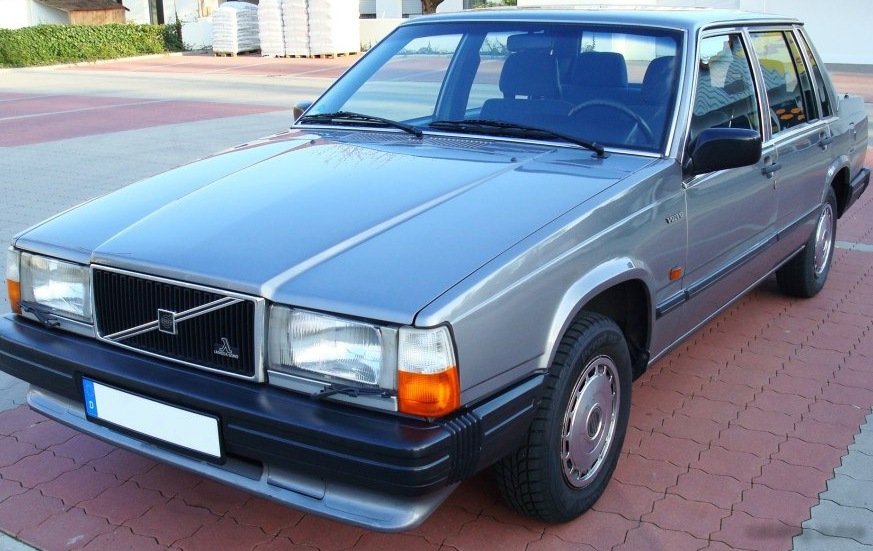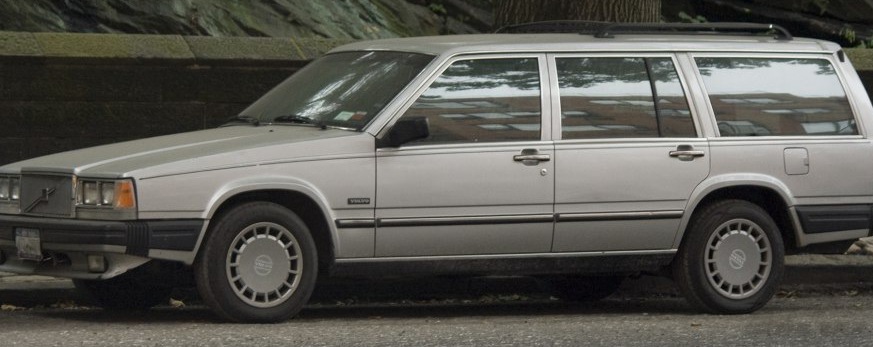
The Volvo 740 Combi (specifically the 745 variant) with the 2.3-liter turbocharged engine producing 182 horsepower was a significant offering from Volvo during its 1985-1988 production run. Positioned as a premium, yet practical, estate car, it represented a blend of performance and family utility. This model sat at the top end of the 740 range, offering a substantial power upgrade over the naturally aspirated engines available. It was a key part of Volvo’s reputation for building safe, durable, and comfortable vehicles, particularly appealing to buyers who needed space and capability alongside a degree of sporting performance. The 745, denoting the five-door estate body style, was particularly popular in Europe, where the station wagon format held a stronger market share than in the United States.
Technical Specifications
| Brand | Volvo |
| Model | 740 Combi (745) |
| Generation | 740 Combi (745) |
| Type (Engine) | 2.3 Turbo (182 Hp) |
| Start of production | 1985 |
| End of production | 1988 |
| Powertrain Architecture | Internal Combustion engine |
| Body type | Station wagon (estate) |
| Seats | 5 |
| Doors | 5 |
| Fuel Type | Petrol (Gasoline) |
| Power | 182 Hp |
| Engine Model/Code | B230ET |
| Engine aspiration | Turbocharger |
| Engine oil capacity | 3.85 l / 4.07 US qt / 3.39 UK qt |
| Coolant capacity | 9.5 l / 10.04 US qt / 8.36 UK qt |
| Fuel tank capacity | 60 l / 15.85 US gal / 13.2 UK gal |
Powertrain & Engine Architecture
The heart of the 745 Turbo was the B230ET engine, a 2.3-liter inline-four cylinder powerplant. This engine was a development of Volvo’s well-regarded ‘Redblock’ family, known for its robustness and over-engineering. The ‘ET’ designation signified ‘Electronic Turbo’, indicating the presence of an electronic boost control system. The B230ET featured a Garrett T25 turbocharger, intercooled to reduce intake air temperatures and improve efficiency. Fuel delivery was handled by Bosch K-Jetronic mechanical fuel injection, a system known for its reliability, though less sophisticated than later electronic systems. The engine utilized a cast iron block and an aluminum cylinder head, contributing to its durability. The valvetrain employed a single overhead camshaft (SOHC) design with two valves per cylinder. While not the most modern configuration, it proved exceptionally reliable. The engine was typically paired with a four-speed automatic transmission (AW71) sourced from Aisin-Warner, offering smooth shifts but not particularly sporty performance. A five-speed manual transmission was also available, favored by enthusiasts for its greater driver engagement.
Driving Characteristics
The 745 2.3 Turbo offered a noticeable performance increase over the naturally aspirated 740 models. The 182 horsepower and 207 lb-ft of torque provided brisk acceleration, especially considering the vehicle’s weight. The automatic transmission, while comfortable, did detract somewhat from the engine’s potential. Gear ratios were geared towards cruising comfort rather than outright speed. The turbocharger provided a distinct surge of power as boost built, creating a driving experience that was engaging for its time. Compared to the manual transmission version, the automatic felt less responsive, with some power lost through the torque converter. Handling was typical of a boxy, 1980s estate car – safe and predictable, but not particularly nimble. The suspension was tuned for comfort, absorbing bumps well, but body roll was noticeable in corners. The 745 Turbo wasn’t a sports car, but it offered a level of performance that was rare in the estate car segment.
Equipment & Trim Levels
The 745 Turbo generally represented a well-equipped trim level within the 740 range. Standard features typically included power steering, central locking, electric windows, and a basic stereo system. Interior upholstery was usually a durable cloth, though leather was available as an option. The dashboard layout was functional and straightforward, typical of Volvo’s design philosophy at the time. Optional extras included a sunroof, upgraded stereo systems, and heated front seats. The 745 Turbo also benefited from Volvo’s renowned safety features, including three-point seatbelts for all occupants and a reinforced safety cage. The interior space was generous, offering ample room for passengers and cargo. The rear seats could be folded down to create a large, flat load area, enhancing the vehicle’s practicality.
Chassis & Braking
The 740 Combi chassis was a traditional body-on-frame construction, contributing to its strength and durability. The front suspension utilized MacPherson struts, while the rear suspension employed a solid axle with leaf springs. This setup provided a comfortable ride, but wasn’t particularly sophisticated. Braking was initially accomplished with disc brakes at the front and drum brakes at the rear. Later models often featured disc brakes all around, improving stopping performance. Stabilizer bars were fitted to both the front and rear axles to reduce body roll. The steering was a recirculating ball system, providing a relatively heavy but precise feel. The 745 Turbo’s weight distribution was reasonably balanced, contributing to its predictable handling characteristics.
Market Reception & Comparison
The Volvo 745 Turbo was generally well-received by automotive critics. It was praised for its performance, practicality, and safety features. However, some critics noted the somewhat dated interior and the lack of a truly sporty driving experience. Compared to other turbocharged cars of the era, such as the Saab 900 Turbo, the 745 Turbo offered a more understated and practical package. Against naturally aspirated 740 models, the Turbo provided a significant performance boost, justifying its higher price tag. Fuel economy was reasonable for a turbocharged vehicle of its size, though not exceptional. Reliability was generally good, although the K-Jetronic fuel injection system could require occasional maintenance. The 745 Turbo appealed to buyers who wanted a versatile and capable estate car with a degree of performance and refinement.
Legacy
The Volvo 740 Turbo, and the B230ET engine in particular, has developed a strong following among enthusiasts. The engine is known for its durability and tunability, with many owners modifying them to produce significantly more power. The 745 Turbo remains a popular choice for classic car enthusiasts and those seeking a practical and reliable estate car. Parts availability is generally good, although some specific components can be difficult to find. The 745 Turbo’s reputation for safety and durability has ensured its continued relevance in the used car market. It represents a high point in Volvo’s history, embodying the brand’s commitment to building safe, practical, and well-engineered vehicles. Today, well-maintained examples command a premium price, reflecting their enduring appeal and collectibility.