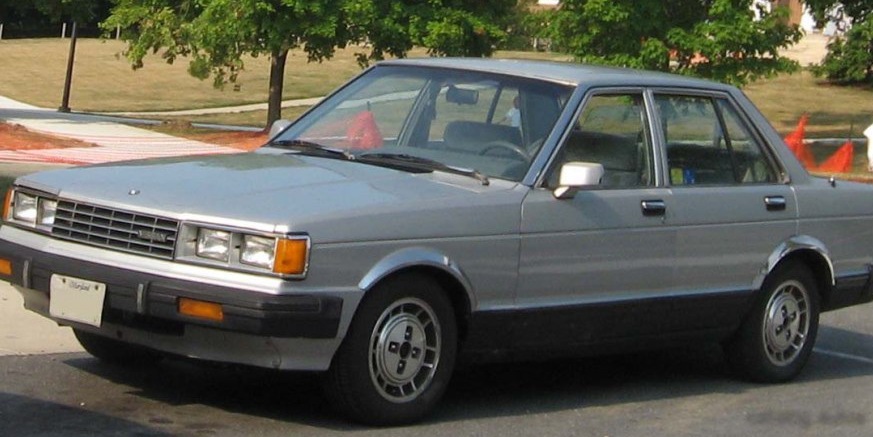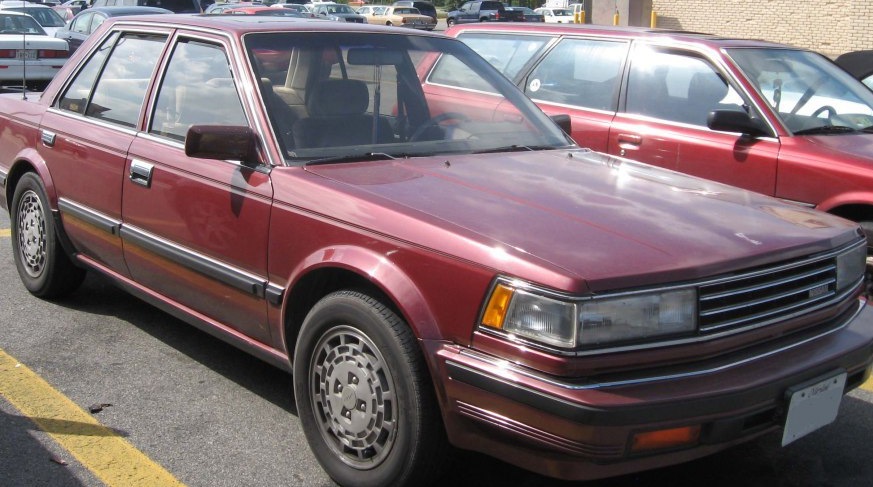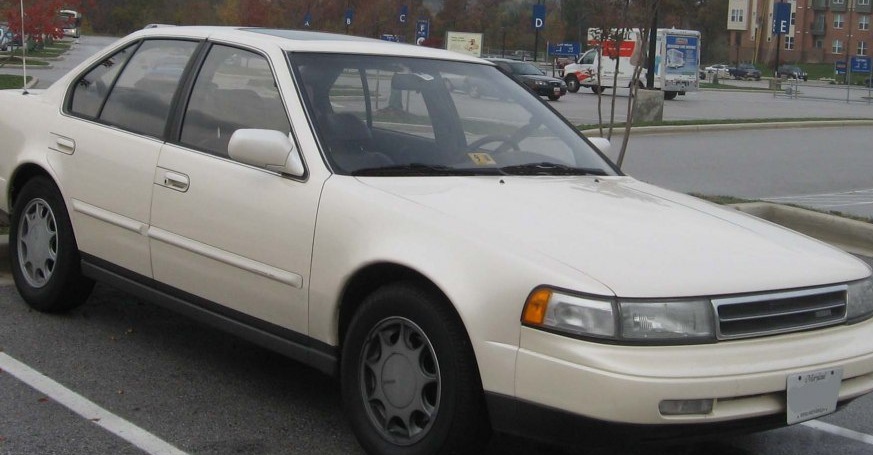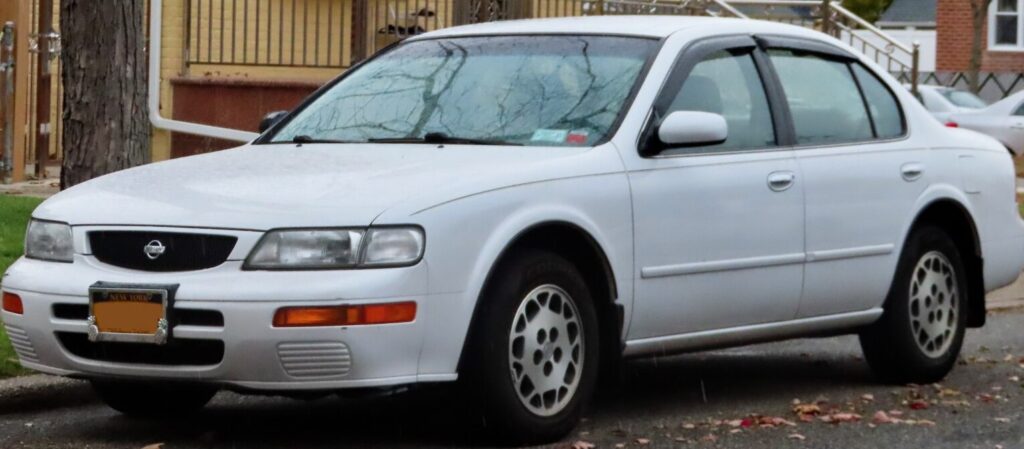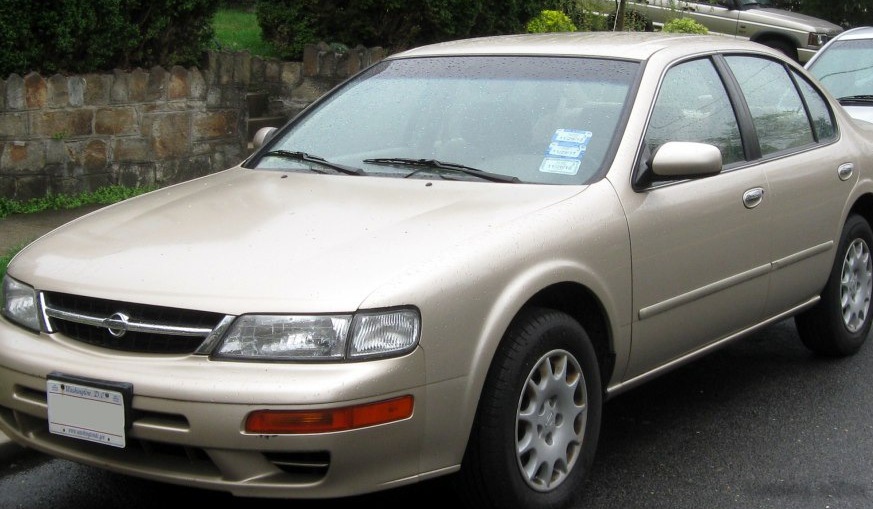
The Nissan Maxima QX IV (A32), specifically the facelifted version produced from 1997 to 2000, represented a significant evolution of Nissan’s flagship sedan. This generation, sold primarily in markets outside of North America, aimed to blend comfort, performance, and a touch of luxury. The 2.0-liter (140 hp) variant occupied a middle ground in the A32 lineup, offering a balance between affordability and respectable power. It was positioned as a more accessible option compared to the larger displacement engines, appealing to buyers seeking a refined driving experience without the higher price tag. This model played a crucial role in establishing the Maxima’s reputation as a sophisticated and reliable sedan in international markets.
Technical Specifications
| Brand | Nissan |
| Model | Maxima |
| Generation | Maxima QX IV (A32, facelift 1997) |
| Type (Engine) | 2.0 (140 Hp) |
| Start of production | 1997 |
| End of production | 2000 |
| Powertrain Architecture | Internal Combustion engine |
| Body type | Sedan |
| Seats | 5 |
| Doors | 4 |
| Fuel consumption (urban) | 10.9 l/100 km (21.6 US mpg) |
| Fuel consumption (extra urban) | 7.2 l/100 km (32.7 US mpg) |
| Fuel consumption (combined) | 9.4 l/100 km (25 US mpg) |
| Fuel Type | Petrol (Gasoline) |
| Acceleration 0 – 100 km/h | 11.3 sec |
| Acceleration 0 – 62 mph | 11.3 sec |
| Acceleration 0 – 60 mph | 10.7 sec |
| Maximum speed | 201 km/h (124.9 mph) |
| Weight-to-power ratio | 10.3 kg/Hp |
| Weight-to-torque ratio | 8.1 kg/Nm |
| Power | 140 Hp @ 6400 rpm |
| Torque | 177 Nm @ 4400 rpm (130.55 lb.-ft. @ 4400 rpm) |
| Engine layout | Front, Transverse |
| Engine displacement | 1995 cm3 (121.74 cu. in.) |
| Number of cylinders | 6 |
| Engine configuration | V-engine |
| Cylinder Bore | 76 mm (2.99 in.) |
| Piston Stroke | 73.3 mm (2.89 in.) |
| Compression ratio | 9.5:1 |
| Number of valves per cylinder | 4 |
| Fuel injection system | Multi-port manifold injection |
| Engine aspiration | Naturally aspirated engine |
| Valvetrain | DOHC |
| Kerb Weight | 1440 kg (3174.66 lbs.) |
| Trunk (boot) space | 440 l (15.54 cu. ft.) |
| Fuel tank capacity | 70 l (18.49 US gal | 15.4 UK gal) |
| Length | 4800 mm (188.98 in.) |
| Width | 1770 mm (69.69 in.) |
| Height | 1450 mm (57.09 in.) |
| Wheelbase | 2700 mm (106.3 in.) |
| Front track | 1520 mm (59.84 in.) |
| Rear track | 1500 mm (59.06 in.) |
| Drivetrain Architecture | Front wheel drive |
| Number of gears | 5 |
| Gearbox type | Manual transmission |
| Front suspension | Wishbone |
| Rear suspension | Spring Strut |
| Front brakes | Ventilated discs |
| Rear brakes | Disc |
| Assisting systems | ABS (Anti-lock braking system) |
| Steering type | Steering rack and pinion |
| Power steering | Hydraulic Steering |
| Tires size | 195/65 R15 |
Powertrain & Engine Architecture
The heart of the 1997-2000 Nissan Maxima QX IV 2.0 was the SR20DE engine, a 2.0-liter, naturally aspirated, inline-six cylinder powerplant. This engine utilized a cast iron block with an aluminum cylinder head, a common configuration for durability and weight reduction. The SR20DE featured multi-port fuel injection, delivering fuel directly to each cylinder for optimized combustion. The double overhead camshaft (DOHC) valvetrain, with four valves per cylinder, further enhanced breathing and contributed to the engine’s relatively high output for its displacement. The engine’s 9.5:1 compression ratio was a balance between efficiency and performance. This particular variant was typically paired with a 5-speed manual transmission, providing drivers with direct control over the engine’s power. While an automatic transmission was available, the manual was favored by enthusiasts for its more engaging driving experience.
Driving Characteristics
The 2.0-liter Maxima offered a comfortable and refined driving experience, though it wasn’t designed for outright speed. With 140 horsepower, acceleration from 0 to 60 mph took around 10.7 seconds, which was adequate for everyday driving but noticeably slower than the V6-powered models. The engine delivered its peak torque of 130.55 lb-ft at 4400 rpm, meaning drivers needed to rev the engine slightly to access its full potential. The 5-speed manual transmission allowed for precise gear selection, enabling drivers to keep the engine in its optimal power band. Compared to the more powerful V6 versions, the 2.0-liter model prioritized fuel efficiency and a smoother ride over aggressive performance. The suspension, tuned for comfort, absorbed bumps effectively, making it a pleasant choice for long journeys.
Equipment & Trim Levels
The 2.0-liter Maxima QX IV typically came equipped with a respectable array of standard features. These included power windows, power locks, air conditioning, and a basic audio system. Interior upholstery was usually cloth, with options for upgraded materials available. Depending on the market, features like alloy wheels, a sunroof, and a more advanced audio system could be added as optional extras. The dashboard layout was functional and straightforward, prioritizing ease of use. The trim level generally fell into the mid-range category, offering a step up from the base models but lacking the premium features found in the higher-spec V6 variants.
Chassis & Braking
The Maxima QX IV featured a front-engine, front-wheel-drive layout. The front suspension utilized a wishbone design, providing good handling and stability. The rear suspension employed a spring strut setup, offering a comfortable ride. Braking duties were handled by ventilated discs at the front and solid discs at the rear. Anti-lock Braking System (ABS) was standard, enhancing safety by preventing wheel lockup during hard braking. The steering system was a rack and pinion setup with hydraulic power assistance, providing precise and responsive steering feel. The vehicle rode on 195/65 R15 tires, which offered a good balance between comfort and grip.
Market Reception & Comparison
The 2.0-liter Maxima QX IV was generally well-received by critics as a practical and reliable sedan. It was praised for its comfortable ride, spacious interior, and fuel efficiency. However, its performance was often criticized as being somewhat underwhelming compared to the V6 models. In terms of fuel economy, the 2.0-liter variant offered a noticeable improvement over the larger engines, achieving around 25 mpg in combined driving. Reliability was a strong point, with the SR20DE engine known for its durability. Compared to competitors like the Toyota Camry and Honda Accord, the Maxima offered a slightly more sporty driving experience and a more distinctive styling.
Legacy
The Nissan Maxima QX IV 2.0, while not the most powerful variant in the lineup, has proven to be a durable and dependable vehicle. The SR20DE engine is known for its longevity, and many examples are still on the road today. In the used car market, these Maximas are often sought after by buyers looking for an affordable and reliable sedan with a touch of Japanese engineering. While maintenance costs are generally reasonable, finding replacement parts for some specific components can be challenging as the vehicle ages. Overall, the 2.0-liter Maxima QX IV remains a respected and appreciated member of the Maxima family, offering a blend of comfort, reliability, and practicality.