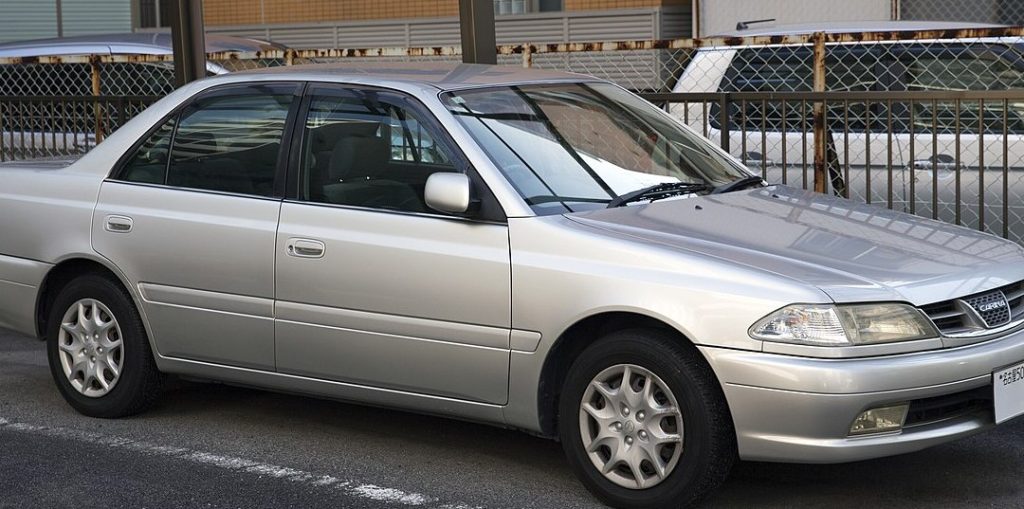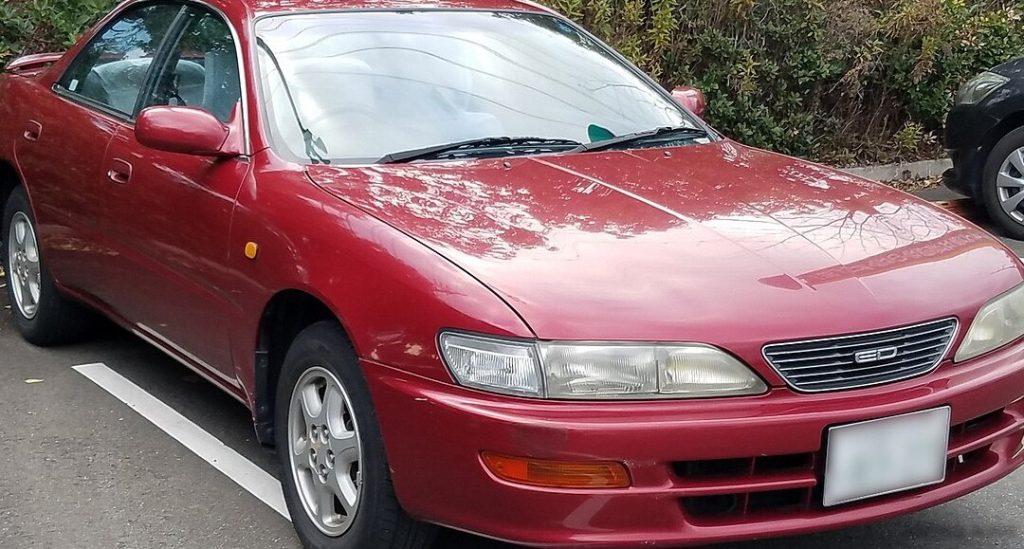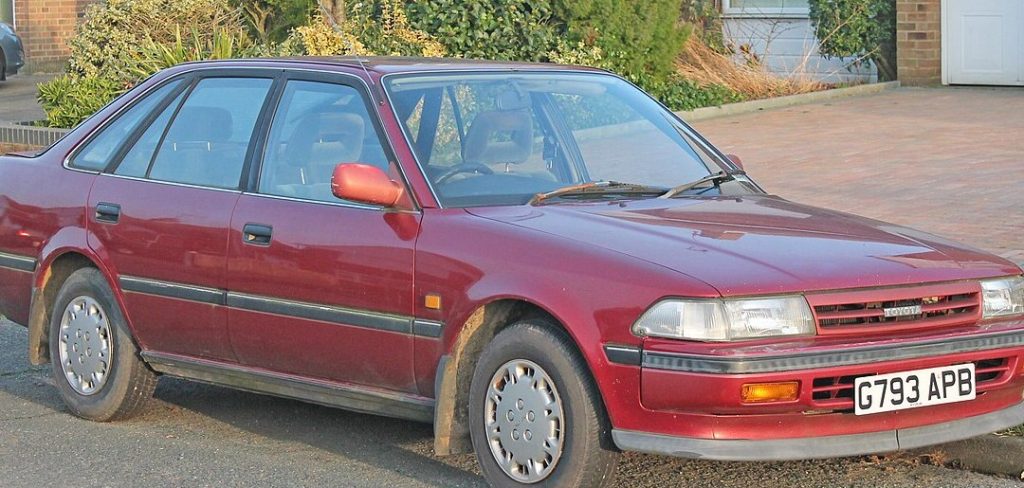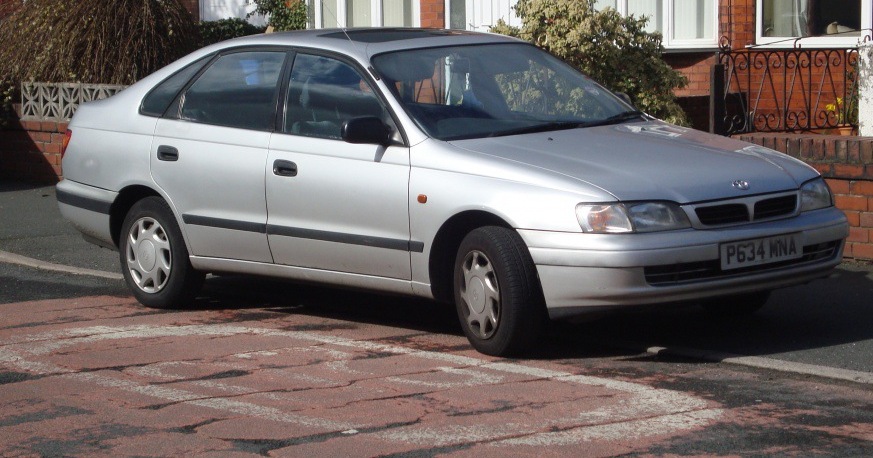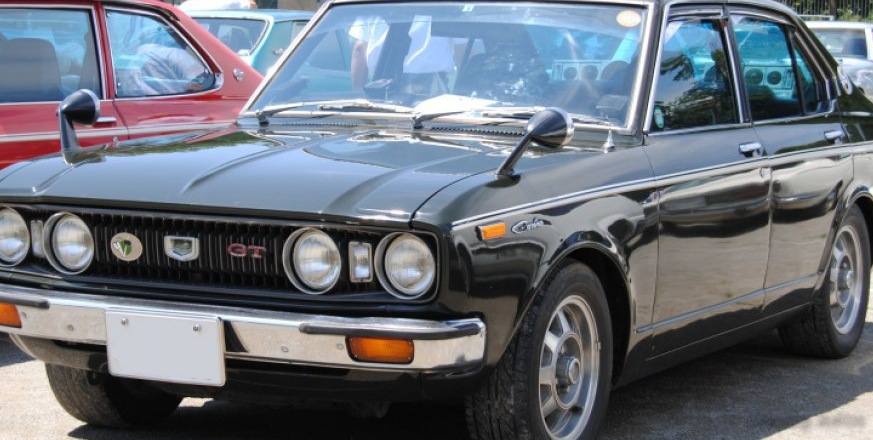
The Toyota Carina TA1, produced between 1975 and 1977, represented Toyota’s entry into the mid-size sedan market, positioned above the Corolla but below the Corona. The 1.6-liter (86 hp) variant, powered by the 2T engine, served as a core model within the TA1 lineup, offering a balance of affordability, practicality, and Toyota’s reputation for reliability. This model was primarily aimed at family buyers seeking a comfortable and dependable vehicle for daily transportation. It was a significant vehicle for Toyota as it expanded their offerings and competed with established players in the burgeoning mid-size segment.
Technical Specifications
| Brand | Toyota |
| Model | Carina |
| Generation | Carina (TA1) |
| Type (Engine) | 1.6 (86 Hp) |
| Start of production | 1975 |
| End of production | 1977 |
| Powertrain Architecture | Internal Combustion engine |
| Body type | Sedan |
| Seats | 5 |
| Doors | 4 |
| Fuel Type | Petrol (Gasoline) |
| Power | 86 Hp |
| Engine Model/Code | 2T |
| Engine aspiration | Naturally aspirated engine |
| Engine oil capacity | 3.7 l (3.91 US qt | 3.26 UK qt) |
| Coolant capacity | 7.6 l (8.03 US qt | 6.69 UK qt) |
Powertrain & Engine Architecture
The heart of the Carina TA1 1.6 was the 2T engine, a 1.6-liter (1588 cc) inline-four cylinder gasoline engine. This engine featured a single overhead camshaft (SOHC) valvetrain, operating with two valves per cylinder. The 2T engine utilized a carburetor for fuel delivery, a common practice for the era, rather than fuel injection. While not a high-performance engine, the 2T was known for its durability and relatively smooth operation. The engine produced 86 horsepower at 6,000 rpm and approximately 99 lb-ft of torque at 3,600 rpm. The transmission paired with this engine was typically a three-speed automatic, although a four-speed manual transmission was also available. The automatic transmission was designed for smooth, comfortable shifts, prioritizing ease of use over sporty performance. The engine block was cast iron, contributing to its robustness, while the cylinder head was aluminum, helping to reduce weight.
Driving Characteristics
The Carina TA1 1.6 with the automatic transmission offered a comfortable, if not particularly exhilarating, driving experience. Acceleration was adequate for everyday driving, but the 86 horsepower and the torque converter of the automatic transmission meant that quick bursts of speed were not its forte. The three-speed automatic transmission had relatively widely spaced gear ratios, prioritizing fuel economy and cruising comfort over rapid acceleration. The car felt most at home during steady-state cruising on highways or city streets. Compared to the manual transmission version, the automatic offered a more relaxed driving experience, especially in stop-and-go traffic. However, the manual version provided slightly better fuel economy and a more engaging driving feel. The steering was relatively light, making it easy to maneuver in urban environments, but lacked the precision found in more performance-oriented vehicles.
Equipment & Trim Levels
The Carina TA1 1.6 was generally equipped with a fairly basic level of standard features, reflecting its position as an affordable mid-size sedan. Standard equipment typically included cloth upholstery, a basic AM radio, and manual windows and door locks. Air conditioning was often an optional extra, as were features like a vinyl roof and upgraded interior trim. The dashboard layout was functional and straightforward, with clearly marked gauges for speed, fuel level, and coolant temperature. Trim levels were relatively limited; the 1.6-liter model typically represented the base trim, with options available to add comfort and convenience features. The interior space was reasonably generous for its time, offering comfortable seating for five passengers. The trunk provided ample cargo space for luggage or groceries.
Chassis & Braking
The Carina TA1 utilized a conventional body-on-frame construction, which was typical for sedans of that era. The suspension consisted of independent front suspension with coil springs and a solid rear axle with leaf springs. This setup provided a comfortable ride, although it wasn’t particularly sporty. The braking system was comprised of drum brakes on all four wheels, which were adequate for normal driving conditions but lacked the stopping power of disc brakes. Steering was of the recirculating ball type, providing a relatively light steering feel. The Carina TA1 did not feature power steering as standard equipment, although it may have been available as an option on some models. Stabilizer bars were not commonly fitted to the base 1.6-liter model, contributing to a slightly more pronounced body roll during cornering.
Market Reception & Comparison
The Toyota Carina TA1 1.6 was generally well-received by critics and consumers alike. It was praised for its reliability, comfortable ride, and affordability. However, it was also noted that the 1.6-liter engine was somewhat underpowered, especially when paired with the automatic transmission. Compared to other mid-size sedans of the time, such as the Ford Cortina or the Vauxhall Victor, the Carina offered a compelling combination of value and dependability. Fuel economy was considered to be reasonable for the era, although it wasn’t class-leading. The Carina’s reputation for reliability helped it gain a loyal following, particularly in markets where Toyota was establishing its brand presence. The automatic transmission, while convenient, did detract slightly from fuel efficiency compared to the manual transmission option.
Legacy
The Toyota Carina TA1 1.6, while not a particularly rare or collectible vehicle today, holds a significant place in Toyota’s history. It represented a key step in the company’s expansion into the mid-size sedan market and helped establish Toyota’s reputation for building reliable and durable automobiles. The 2T engine, while not known for its high performance, proved to be a robust and long-lasting powerplant. In the used car market, surviving examples of the Carina TA1 1.6 are often sought after by enthusiasts who appreciate classic Japanese automobiles. The simplicity of the design and the availability of spare parts make it a relatively easy car to maintain and restore. The automatic transmission, while not the most desirable configuration for performance enthusiasts, remains a popular choice for those seeking a comfortable and hassle-free driving experience. The Carina TA1 1.6 serves as a reminder of a time when automotive engineering prioritized durability and practicality over outright speed and sophistication.