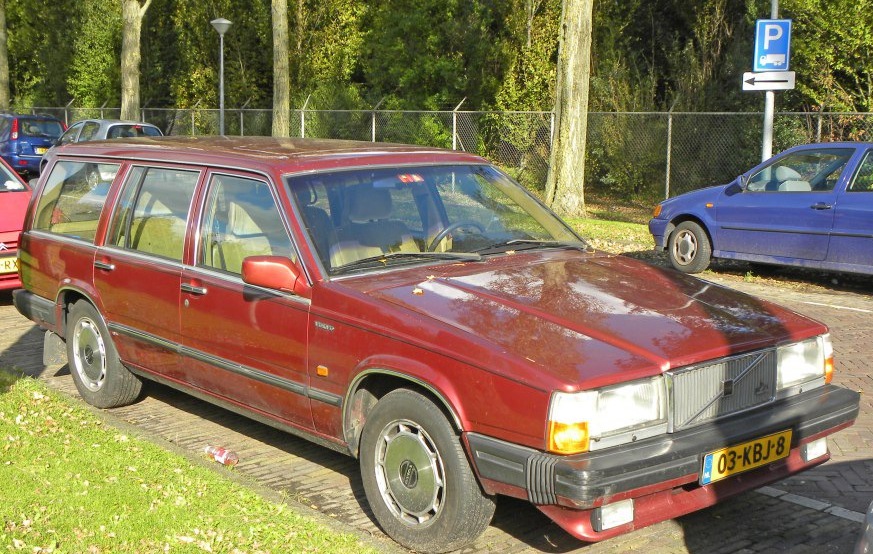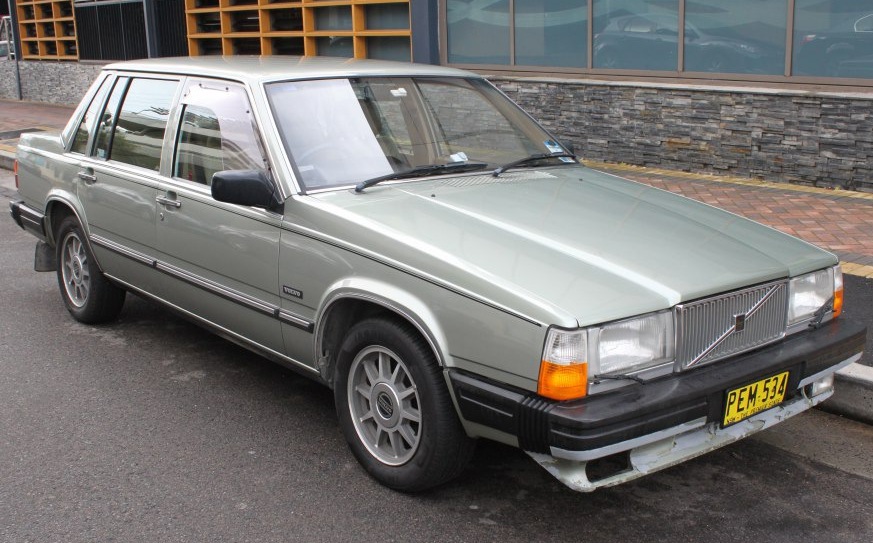
The Volvo 760 2.3 Turbo, specifically the 704 model produced between 1982 and 1984, represented a significant step forward for Volvo in the realm of forced induction and luxury sedans. Positioned as a premium offering within the 760 series (which also included the 764), the 2.3 Turbo aimed to deliver a blend of performance and refinement that appealed to buyers seeking something beyond the standard Volvo fare. This initial iteration of the 760 Turbo laid the groundwork for a lineage of turbocharged Volvos that would become synonymous with the brand’s engineering prowess and commitment to safety. It was a key model in establishing Volvo’s presence in the burgeoning luxury car market, particularly in North America and Europe.
Technical Specifications
| Brand | Volvo |
| Model | 760 |
| Generation | 760 (704, 764) |
| Type (Engine) | 2.3 Turbo (704) (173 Hp) |
| Start of Production | 1982 |
| End of Production | 1984 |
| Powertrain Architecture | Internal Combustion Engine |
| Body Type | Sedan |
| Seats | 5 |
| Doors | 4 |
| Fuel Type | Petrol (Gasoline) |
| Power | 173 Hp |
| Engine Model/Code | B23ET |
| Engine Aspiration | Turbocharger |
| Engine Oil Capacity | 4.5 l (4.76 US qt | 3.96 UK qt) |
| Coolant Capacity | 8.5 l (8.98 US qt | 7.48 UK qt) |
| Fuel Tank Capacity | 80 l (21.13 US gal | 17.6 UK gal) |
| Length | 4785 mm (188.39 in) |
| Width | 1760 mm (69.29 in) |
| Height | 1430 mm (56.3 in) |
Powertrain & Engine Architecture
The heart of the 760 2.3 Turbo was the B23ET engine, a 2316cc inline-four cylinder powerplant. This engine was based on Volvo’s well-regarded red-block series, known for its robustness and over-engineering. The “ET” designation signified “Einspritzung Turbo” (Fuel Injection Turbo). The B23ET utilized Bosch K-Jetronic mechanical fuel injection, a system chosen for its reliability and ability to deliver consistent fuel metering under varying conditions. A Garrett T25 turbocharger was employed, providing approximately 8.8 psi of boost. The engine featured a cast iron block and an aluminum cylinder head, contributing to its durability. The valvetrain consisted of a single overhead camshaft operating two valves per cylinder. While not particularly high-revving, the B23ET produced a respectable 173 horsepower and 207 lb-ft of torque. The transmission paired with the 2.3 Turbo was a four-speed automatic, chosen to provide a more comfortable and refined driving experience than the available manual transmission. This automatic was a Borg-Warner unit, known for its smoothness but not necessarily its sportiness.
Driving Characteristics
The 760 2.3 Turbo, with its automatic transmission, offered a distinctly different driving experience compared to its naturally aspirated siblings or the manual turbo variants. Acceleration was brisk, with the turbocharger providing a noticeable surge of power once boost came on. However, the four-speed automatic limited the engine’s ability to stay in its optimal power band. Gear ratios were geared towards comfort and fuel economy rather than outright performance. The car felt substantial and planted on the road, thanks to its relatively heavy weight and well-tuned suspension. Steering was power-assisted but lacked the direct feel of some contemporary European sedans. The turbo lag was present, but manageable, and the car was capable of comfortable highway cruising. Compared to the 5-speed manual version, the automatic traded some responsiveness for ease of use, making it a more appealing option for drivers prioritizing comfort and convenience.
Equipment & Trim Levels
The 760 2.3 Turbo was positioned as the top-of-the-line 760 model. Standard equipment included power windows, power locks, central locking, and a high-quality sound system. The interior featured comfortable, supportive seats upholstered in premium cloth or available leather. A woodgrain trim adorned the dashboard and door panels, adding to the luxurious ambiance. Optional extras included a sunroof, air conditioning, and upgraded audio systems. The dashboard layout was typical of early 1980s Volvo design – functional and ergonomically focused, rather than overtly stylish. The 760 Turbo also benefited from Volvo’s renowned safety features, including a reinforced passenger safety cage and three-point seatbelts for all occupants.
Chassis & Braking
The 760 series utilized a MacPherson strut front suspension and a solid rear axle with coil springs. The suspension was tuned for a comfortable ride, prioritizing smoothness over sharp handling. Stabilizer bars were fitted to both the front and rear axles to reduce body roll. Braking duties were handled by disc brakes at the front and drum brakes at the rear. Power assist was standard. While adequate for everyday driving, the braking system wasn’t particularly powerful by contemporary standards. The chassis was robust and well-built, contributing to the car’s overall feeling of solidity and safety.
Market Reception & Comparison
The 760 2.3 Turbo received generally positive reviews from automotive critics. It was praised for its comfortable ride, spacious interior, and strong performance. However, some critics noted the turbo lag and the somewhat dated feel of the interior. Compared to other turbocharged sedans of the era, such as the BMW 535i or the Porsche 944 Turbo, the 760 Turbo offered a different proposition – a blend of luxury, safety, and performance at a more accessible price point. Against its naturally aspirated 760 siblings, the Turbo offered a significant performance boost, but at a higher price and with slightly lower fuel economy. The automatic transmission, while convenient, was often criticized for detracting from the driving experience compared to the manual option.
Legacy
The Volvo 760 2.3 Turbo, despite its relatively short production run (1982-1984), played a crucial role in establishing Volvo’s reputation for turbocharged performance. The B23ET engine proved to be remarkably durable, and many examples are still on the road today. The 760 Turbo paved the way for subsequent generations of turbocharged Volvos, including the iconic 850 T-5 and the S70 T5. In the used car market, the 760 2.3 Turbo is sought after by Volvo enthusiasts and collectors. While maintenance can be challenging due to the age of the vehicle and the complexity of the K-Jetronic fuel injection system, the car’s robust construction and enduring appeal make it a worthwhile investment for those seeking a classic Volvo with a bit of extra punch. Finding parts can be difficult, but a dedicated community of Volvo owners and specialists ensures that support remains available.