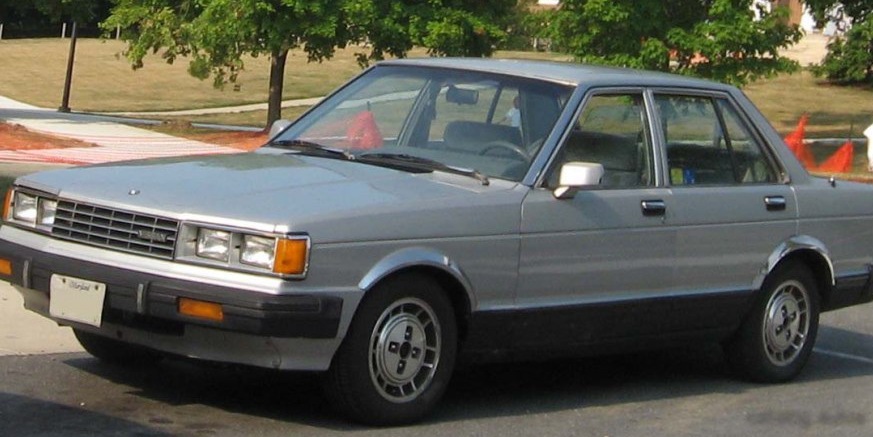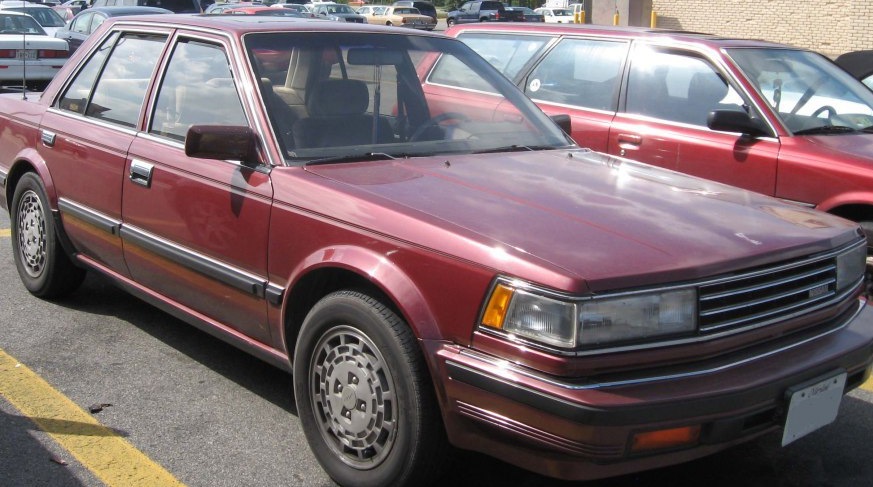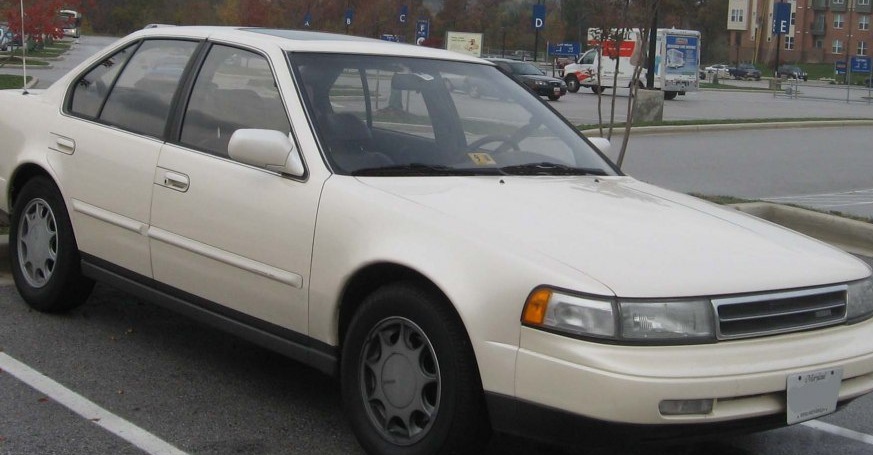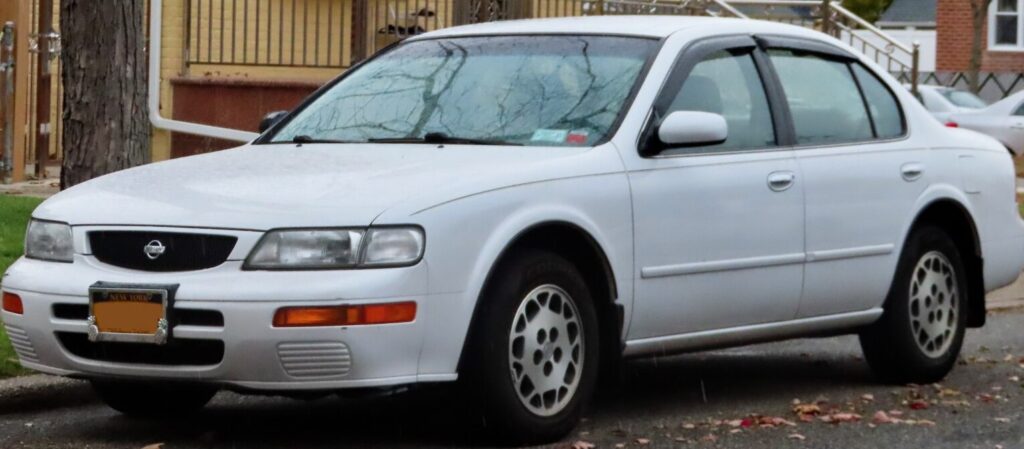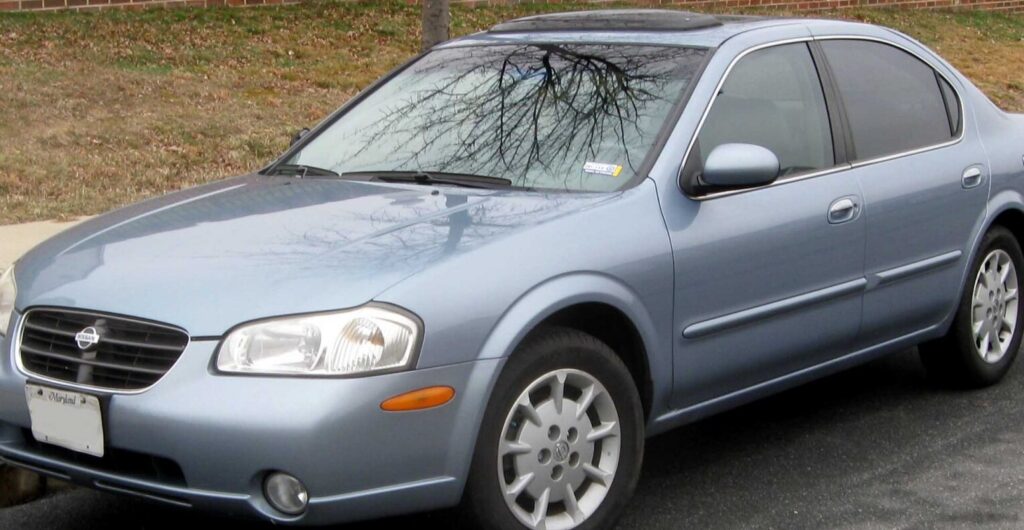
The Nissan Maxima QX V (A33), produced between 2000 and 2004, represented a significant iteration of Nissan’s flagship sedan. Positioned as a near-luxury import, the A33 Maxima aimed to deliver a blend of performance, comfort, and value in the highly competitive American market. The QX V trim, specifically equipped with the 2.5-liter V6 engine and a four-speed automatic transmission, occupied a middle ground within the A33 lineup, offering a balance between the base model’s affordability and the higher-spec trims’ added features. It was a key player in Nissan’s attempt to establish a stronger presence in the mid-size sedan segment, competing with established rivals like the Honda Accord and Toyota Camry.
Technical Specifications
| Brand | Nissan |
| Model | Maxima |
| Generation | Maxima QX V (A33) |
| Type (Engine) | 2.5 V6 24V (209 Hp) |
| Start of production | 2000 year |
| End of production | 2004 year |
| Powertrain Architecture | Internal Combustion engine |
| Body type | Sedan |
| Seats | 5 |
| Doors | 4 |
| Fuel consumption (urban) | 14 l/100 km (16.8 US mpg) |
| Fuel consumption (extra urban) | 8 l/100 km (29.4 US mpg) |
| Fuel Type | Petrol (Gasoline) |
| Maximum speed | 210 km/h (130.49 mph) |
| Weight-to-power ratio | 6.8 kg/Hp |
| Weight-to-torque ratio | 5.4 kg/Nm |
| Power | 209 Hp @ 6400 rpm |
| Power per litre | 83.7 Hp/l |
| Torque | 265 Nm @ 4000 rpm (195.45 lb.-ft. @ 4000 rpm) |
| Engine layout | Front, Transverse |
| Engine Model/Code | VQ25DE |
| Engine displacement | 2496 cm3 (152.32 cu. in.) |
| Number of cylinders | 6 |
| Engine configuration | V-engine |
| Cylinder Bore | 85 mm (3.35 in.) |
| Piston Stroke | 73.3 mm (2.89 in.) |
| Compression ratio | 11:1 |
| Number of valves per cylinder | 4 |
| Fuel injection system | Multi-port manifold injection |
| Engine aspiration | Naturally aspirated engine |
| Valvetrain | DOHC |
| Engine oil capacity | 4 l (4.23 US qt | 3.52 UK qt) |
| Kerb Weight | 1430 kg (3152.61 lbs.) |
| Trunk (boot) space – minimum | 520 l (18.36 cu. ft.) |
| Fuel tank capacity | 70 l (18.49 US gal | 15.4 UK gal) |
| Length | 4920 mm (193.7 in.) |
| Width | 1780 mm (70.08 in.) |
| Height | 1435 mm (56.5 in.) |
| Wheelbase | 2750 mm (108.27 in.) |
| Front track | 1530 mm (60.24 in.) |
| Rear (Back) track | 1510 mm (59.45 in.) |
| Drivetrain Architecture | Front wheel drive |
| Number of gears and type of gearbox | 4 gears, automatic transmission |
| Front suspension | Independent type McPherson |
| Rear suspension | Spring Strut |
| Front brakes | Ventilated discs |
| Rear brakes | Disc |
| Assisting systems | ABS (Anti-lock braking system) |
| Steering type | Steering rack and pinion |
| Power steering | Hydraulic Steering |
| Tires size | 205/65 R15 |
Powertrain & Engine Architecture
The heart of the Maxima QX V was Nissan’s VQ25DE 2.5-liter V6 engine. This engine, a member of the highly regarded VQ family, was known for its smooth operation and relatively high output for its displacement. The VQ25DE featured a 60-degree V-angle, dual overhead camshafts (DOHC), and four valves per cylinder. Multi-port fuel injection delivered fuel directly into each intake port, optimizing combustion. The engine produced 209 horsepower at 6400 rpm and 265 Nm (195.45 lb-ft) of torque at 4000 rpm. This power was channeled through a four-speed automatic transmission, a common choice for American buyers prioritizing convenience over ultimate performance. While a five-speed manual transmission was available on other Maxima trims, it wasn’t offered with the QX V.
Driving Characteristics
The 209 hp and four-speed automatic combination provided adequate, though not exhilarating, performance. Acceleration from 0 to 60 mph was typically in the 7.5-8.5 second range. The automatic transmission, while smooth, lacked the responsiveness of a manual gearbox or more modern automatic transmissions with more gears. Gear ratios were tuned for comfortable cruising rather than aggressive acceleration. Compared to the manual transmission-equipped Maxima, the QX V felt noticeably less engaging to drive. However, it offered a more relaxed driving experience, particularly in city traffic. Compared to the higher-output 3.5-liter V6 found in some Maxima trims, the 2.5-liter engine provided less overall power, but also offered slightly better fuel economy.
Equipment & Trim Levels
The QX V trim level included a respectable array of standard features. Interior appointments typically included cloth upholstery, power windows and locks, a CD player, and air conditioning. Optional extras included a sunroof, upgraded audio system, and leather upholstery. The dashboard layout was functional and straightforward, prioritizing ease of use over stylistic flair. The QX V aimed to provide a comfortable and well-equipped interior without the premium price tag of the higher-spec trims.
Chassis & Braking
The A33 Maxima utilized an independent McPherson strut suspension in the front and a spring strut suspension in the rear. This setup provided a comfortable ride quality, absorbing bumps and imperfections in the road effectively. The QX V featured ventilated disc brakes in the front and solid disc brakes in the rear. Anti-lock braking system (ABS) was standard, enhancing safety and control during hard braking. The steering was rack-and-pinion with hydraulic power assist, providing a reasonably responsive feel. The suspension tuning was geared towards comfort, resulting in some body roll during cornering.
Market Reception & Comparison
Critics generally praised the A33 Maxima for its comfortable ride, spacious interior, and reliable V6 engine. However, the four-speed automatic transmission was often criticized for feeling dated compared to the five-speed automatics offered by competitors. The QX V trim, specifically, was seen as a good value proposition, offering a solid combination of features and performance at a competitive price point. Fuel economy was respectable for its class, averaging around 16.8 US mpg in the city and 29.4 US mpg on the highway. Compared to the 3.5SE trim, the QX V offered slightly better fuel economy but significantly less power. The QX V appealed to buyers who prioritized comfort and convenience over outright performance.
Legacy
The Nissan Maxima A33, and the QX V variant in particular, has developed a reputation for long-term reliability. The VQ25DE engine is known for its durability and ability to withstand high mileage with proper maintenance. Today, well-maintained A33 Maximas are sought after by enthusiasts and budget-conscious buyers alike. While not a particularly rare or collectible vehicle, the QX V represents a solid and dependable mid-size sedan from a period when Nissan was actively building its reputation for quality and innovation. Common issues with these vehicles often relate to age-related wear and tear, such as suspension components and cooling system parts, but the engine itself is generally considered very robust.