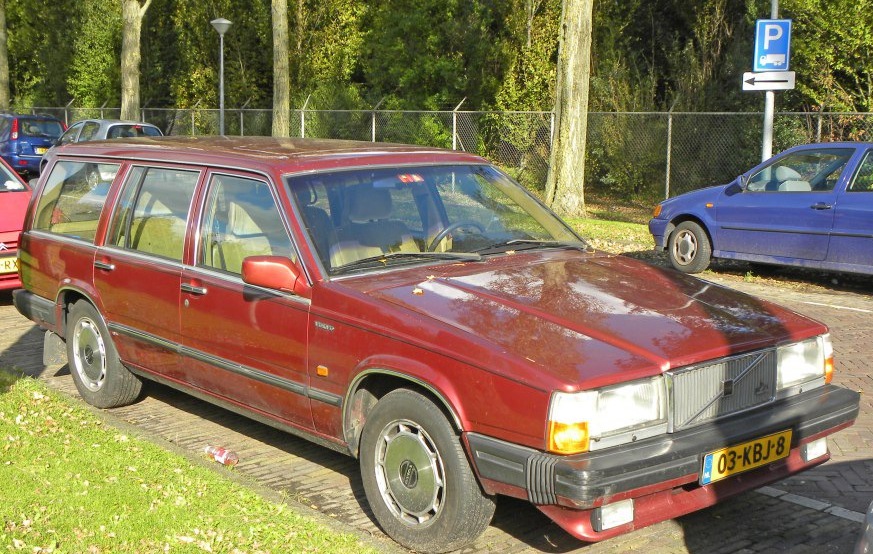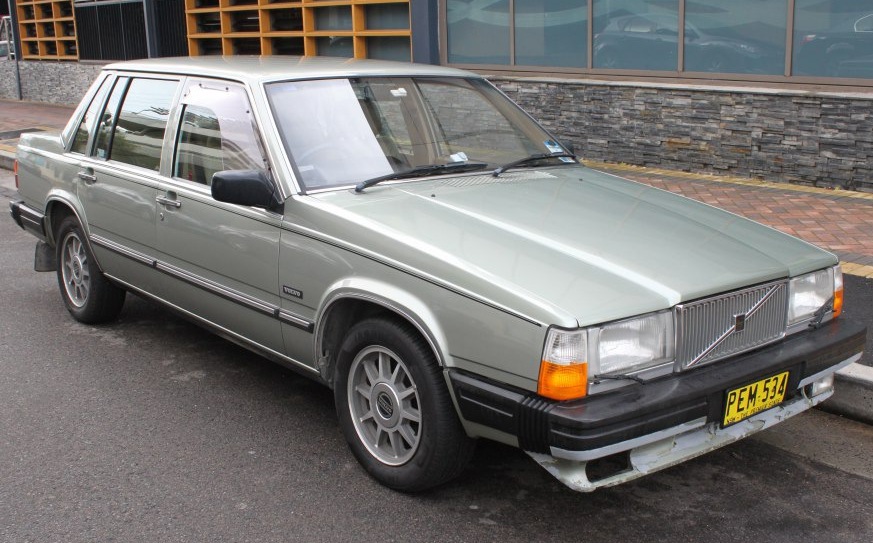
The Volvo 760, specifically the 704 model powered by the 2.4-liter turbocharged diesel engine (D24T), represented a significant step for Volvo in the executive car segment. Produced between 1982 and 1987, this variant aimed to offer a blend of Scandinavian practicality, robust engineering, and fuel efficiency, particularly appealing to European markets where diesel engines were gaining popularity. The 760 series, encompassing both 760 and 740 models, was Volvo’s replacement for the older 240 series, moving towards a more modern, angular design and increased levels of comfort and refinement. The 704, being the initial sedan offering, established the foundation for the subsequent variations within the 760 lineup.
Technical Specifications
| Brand | Volvo |
| Model | 760 |
| Generation | 760 (704, 764) |
| Type (Engine) | 2.4 Turbo Diesel (704) (112 Hp) |
| Start of Production | 1982 |
| End of Production | 1987 |
| Powertrain Architecture | Internal Combustion Engine |
| Body Type | Sedan |
| Seats | 5 |
| Doors | 4 |
| Fuel Type | Diesel |
| Power | 112 Hp |
| Engine Model/Code | D24T |
| Engine Aspiration | Turbocharger |
| Engine Oil Capacity | 6.2 l (6.55 US qt | 5.46 UK qt) |
| Coolant Capacity | 9.5 l (10.04 US qt | 8.36 UK qt) |
| Fuel Tank Capacity | 80 l (21.13 US gal | 17.6 UK gal) |
| Length | 4785 mm (188.39 in) |
| Width | 1760 mm (69.29 in) |
| Height | 1430 mm (56.3 in) |
Powertrain & Engine Architecture
The heart of the 760 2.4 Turbo Diesel was the D24T engine, a 2.4-liter inline-four cylinder diesel. This engine was a development of Volvo’s long-running D24 series, known for its durability and reliability. The addition of a turbocharger and intercooler significantly boosted power output to 112 horsepower, a substantial increase over naturally aspirated diesel options of the time. The D24T utilized indirect injection, a common technology for diesel engines in the early 1980s. This system involved pre-combustion chambers where fuel was injected and ignited, then transferred to the main combustion chamber. While not as efficient as direct injection systems, it offered smoother operation and reduced noise. The engine featured a robust cast iron block and cylinder head, contributing to its longevity. The transmission paired with the D24T was typically a four-speed automatic, chosen for its ease of use and suitability for long-distance cruising. This automatic transmission, while reliable, wasn’t known for its sporty performance, prioritizing smooth shifts and fuel economy.
Driving Characteristics
The 760 2.4 Turbo Diesel with the automatic transmission offered a comfortable, if not particularly exhilarating, driving experience. The turbocharger provided a noticeable boost in power, especially during overtaking maneuvers, but the automatic transmission’s gear ratios were geared towards economy rather than rapid acceleration. Compared to the manual transmission versions of the D24T, the automatic felt somewhat slower and less responsive. Against higher-powered 760 variants, such as those equipped with the gasoline-powered six-cylinder engines, the diesel was clearly outmatched in terms of outright performance. However, the diesel’s strength lay in its fuel efficiency and torque. The engine delivered a strong low-end torque, making it well-suited for hauling passengers and luggage. The suspension, tuned for comfort, absorbed bumps and imperfections in the road effectively, providing a smooth ride. Steering was relatively light, making the car easy to maneuver in urban environments.
Equipment & Trim Levels
The 760 704, even in its base form, was reasonably well-equipped for its time. Standard features typically included power steering, central locking, and a basic stereo system. Interior upholstery was usually cloth, with options for leather available at an extra cost. The dashboard layout was functional and straightforward, with clearly labeled controls. Optional extras included sunroofs, electric windows, and upgraded audio systems. The 760 aimed for a more luxurious feel than its predecessor, the 240, with improved interior materials and sound insulation. The trim level of the 704 was generally considered the entry-level offering within the 760 range, positioning it as a practical and affordable executive car.
Chassis & Braking
The 760 704 featured a robust chassis with independent suspension at the front and a solid axle with coil springs at the rear. This setup provided a good balance between comfort and handling. Braking was initially equipped with disc brakes at the front and drum brakes at the rear. Later models saw the introduction of rear disc brakes as standard equipment, improving stopping performance. The car’s weight, typical for a vehicle of its size and construction, contributed to its stable handling characteristics. A stabilizer bar was fitted to both the front and rear suspension to reduce body roll during cornering.
Market Reception & Comparison
The Volvo 760 2.4 Turbo Diesel was generally well-received by critics and buyers alike, particularly in Europe. It was praised for its fuel efficiency, reliability, and comfortable ride. However, some reviewers noted the automatic transmission’s lack of responsiveness and the engine’s relatively noisy operation compared to gasoline engines. Compared to other diesel-powered executive cars of the time, such as the Mercedes-Benz W123 diesel, the 760 offered a more modern design and a slightly more affordable price point. Fuel economy was a key selling point, offering significant savings compared to gasoline-powered alternatives. Reliability was also a strong suit, with the D24T engine proving to be exceptionally durable.
Legacy
The Volvo 760 2.4 Turbo Diesel, and the D24T engine in particular, has earned a reputation for exceptional longevity. Many examples are still on the road today, a testament to Volvo’s engineering prowess. The D24T engine is known for its ability to withstand high mileage with proper maintenance. In the used car market, these 760s are sought after by enthusiasts and those looking for a reliable and economical classic car. While parts availability can be a concern, many components are still available, and the engine’s simplicity makes it relatively easy to repair. The 760 2.4 Turbo Diesel represents a significant chapter in Volvo’s history, showcasing the company’s commitment to safety, durability, and innovation.