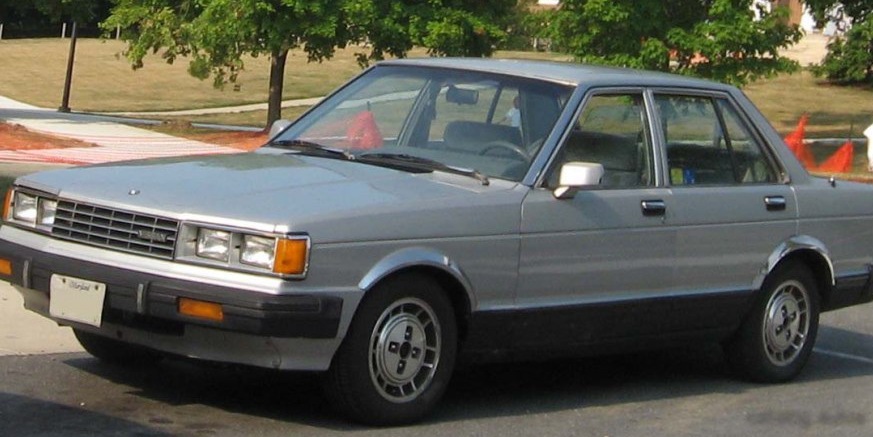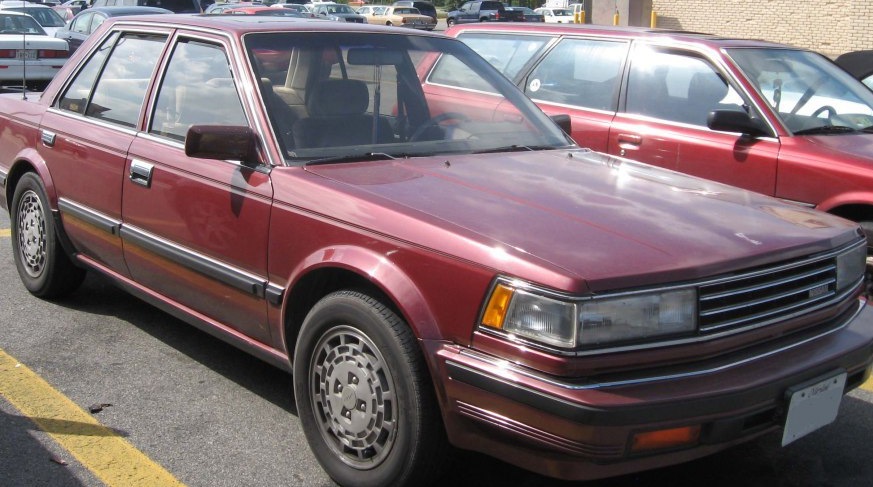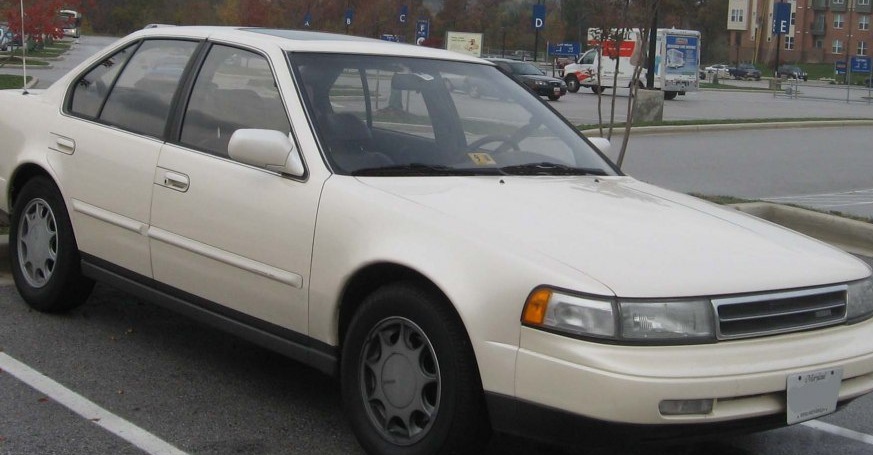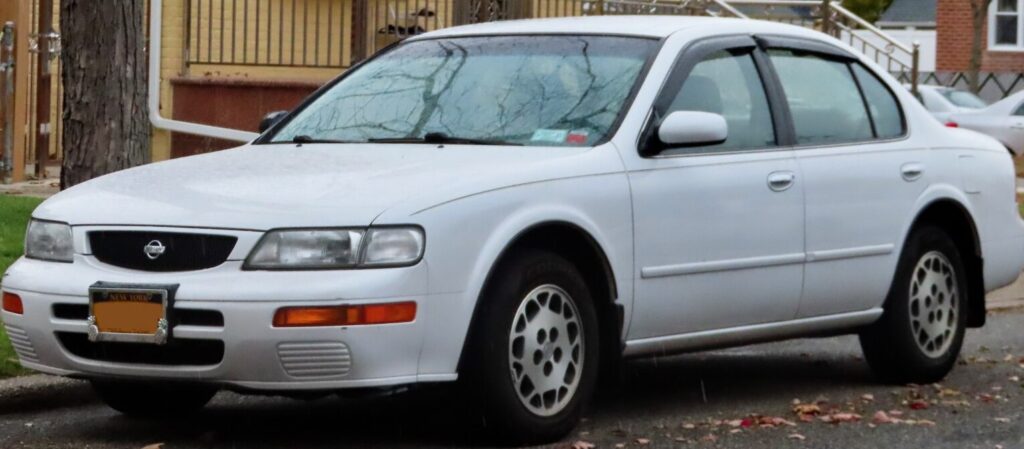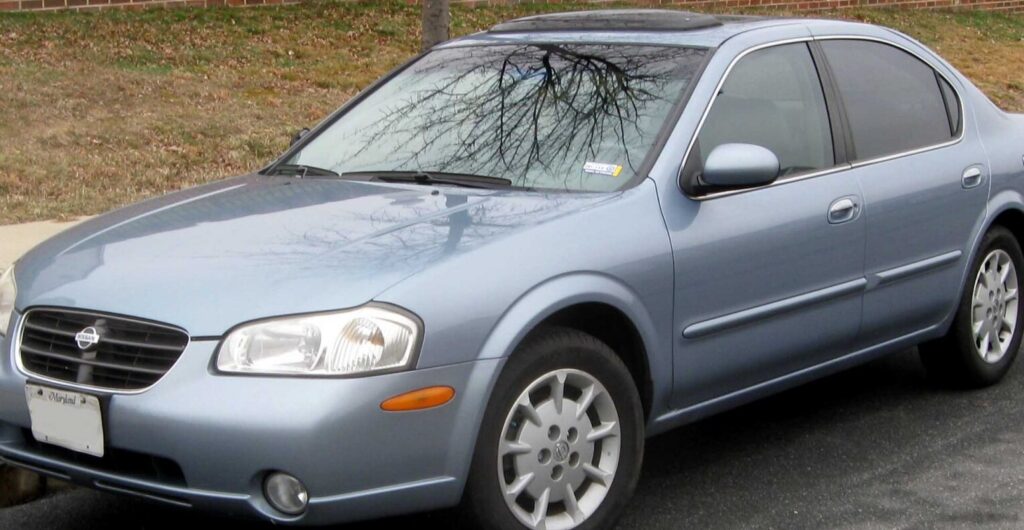
The Nissan Maxima QX V (A33), produced between 2000 and 2004, represented a significant iteration of Nissan’s flagship sedan. Positioned as a near-luxury offering, the A33 generation aimed to bridge the gap between mainstream family sedans and more expensive luxury brands. The QX V trim, specifically equipped with the 3.0-liter V6 engine and a four-speed automatic transmission, was a popular choice for buyers seeking a balance of performance and convenience. It sat towards the upper end of the Maxima lineup, offering more power than the base 2.5-liter models but remaining more accessible than potential future performance-oriented trims. The A33 Maxima was primarily marketed in North America, where it competed with established sedans like the Honda Accord, Toyota Camry, and Ford Taurus.
Technical Specifications
| Brand | Nissan |
| Model | Maxima |
| Generation | Maxima QX V (A33) |
| Type (Engine) | 3.0 V6 24V (200 Hp) Automatic |
| Start of production | 2000 year |
| End of production | 2004 year |
| Powertrain Architecture | Internal Combustion engine |
| Body type | Sedan |
| Seats | 5 |
| Doors | 4 |
| Fuel consumption (economy) – urban | 15.1 l/100 km (15.6 US mpg, 18.7 UK mpg, 6.6 km/l) |
| Fuel consumption (economy) – extra urban | 7.8 l/100 km (30.2 US mpg, 36.2 UK mpg, 12.8 km/l) |
| Fuel consumption (economy) – combined | 10.5 l/100 km (22.4 US mpg, 26.9 UK mpg, 9.5 km/l) |
| Fuel Type | Petrol (Gasoline) |
| Acceleration 0 – 100 km/h | 9.6 sec |
| Acceleration 0 – 62 mph | 9.6 sec |
| Acceleration 0 – 60 mph | 9.1 sec |
| Maximum speed | 212 km/h (131.73 mph) |
| Weight-to-power ratio | 7.5 kg/Hp, 133.3 Hp/tonne |
| Weight-to-torque ratio | 5.5 kg/Nm, 180.7 Nm/tonne |
| Power | 200 Hp @ 6400 rpm |
| Power per litre | 66.9 Hp/l |
| Torque | 271 Nm @ 3600 rpm (199.88 lb.-ft. @ 3600 rpm) |
| Engine layout | Front, Transverse |
| Engine Model/Code | VQ30DE |
| Engine displacement | 2988 cm3 (182.34 cu. in.) |
| Number of cylinders | 6 |
| Engine configuration | V-engine |
| Cylinder Bore | 93 mm (3.66 in.) |
| Piston Stroke | 73.3 mm (2.89 in.) |
| Compression ratio | 10:1 |
| Number of valves per cylinder | 4 |
| Fuel injection system | Multi-port manifold injection |
| Engine aspiration | Naturally aspirated engine |
| Valvetrain | DOHC |
| Engine oil capacity | 4 l (4.23 US qt | 3.52 UK qt) |
| Coolant | 7.7 l (8.14 US qt | 6.78 UK qt) |
| Kerb Weight | 1500 kg (3306.93 lbs.) |
| Max. weight | 2035 kg (4486.41 lbs.) |
| Max load | 535 kg (1179.47 lbs.) |
| Trunk (boot) space – minimum | 520 l (18.36 cu. ft.) |
| Fuel tank capacity | 70 l (18.49 US gal | 15.4 UK gal) |
| Length | 4920 mm (193.7 in.) |
| Width | 1780 mm (70.08 in.) |
| Height | 1435 mm (56.5 in.) |
| Wheelbase | 2750 mm (108.27 in.) |
| Front track | 1530 mm (60.24 in.) |
| Rear (Back) track | 1510 mm (59.45 in.) |
| Drivetrain Architecture | The Internal combustion engine (ICE) drives the front wheels of the vehicle. |
| Drive wheel | Front wheel drive |
| Number of gears and type of gearbox | 4 gears, automatic transmission |
| Front suspension | Independent type McPherson |
| Rear suspension | Spring Strut |
| Front brakes | Ventilated discs |
| Rear brakes | Disc |
| Assisting systems | ABS (Anti-lock braking system) |
| Steering type | Steering rack and pinion |
| Power steering | Hydraulic Steering |
| Tires size | 215/55 R16 |
| Wheel rims size | 16 |
Powertrain & Engine Architecture
The heart of the Maxima QX V was the VQ30DE 3.0-liter V6 engine. This engine was a member of Nissan’s highly regarded VQ engine family, known for its smooth operation, reliability, and relatively high output for its displacement. The VQ30DE featured a 60-degree V-angle, dual overhead camshafts (DOHC), and four valves per cylinder. It utilized a multi-port fuel injection system, delivering fuel directly into each intake port. The engine produced 200 horsepower at 6400 rpm and 271 lb-ft of torque at 3600 rpm. Paired with this engine was a four-speed automatic transmission, offering smooth shifts but lacking the efficiency and control of more modern transmissions. This transmission was chosen for its comfort and ease of use, aligning with the Maxima’s positioning as a comfortable and refined sedan.
Driving Characteristics
The 3.0-liter V6 and four-speed automatic combination provided adequate performance for everyday driving. Acceleration from 0-60 mph took approximately 9.1 seconds, which was competitive for its time but not particularly sporty. The automatic transmission, while smooth, did result in some power loss compared to the available five-speed manual transmission. The gear ratios were tuned for comfortable cruising rather than aggressive acceleration. The engine delivered a broad torque curve, making it responsive in most driving situations. However, drivers seeking a more engaging experience often preferred the manual transmission for its greater control and quicker response.
Equipment & Trim Levels
The QX V trim level included a number of standard features designed to enhance comfort and convenience. These typically included power windows, power locks, power mirrors, a CD player, air conditioning, and cruise control. Upholstery was usually cloth, though leather was often available as an option. Optional extras could include a sunroof, upgraded audio system, and alloy wheels. The interior design was generally conservative and focused on functionality, with a clear and easy-to-use dashboard layout.
Chassis & Braking
The A33 Maxima utilized an independent McPherson strut suspension in the front and a spring strut suspension in the rear. This setup provided a comfortable ride quality, absorbing bumps and irregularities in the road effectively. The QX V trim came equipped with ventilated disc brakes in the front and solid disc brakes in the rear. Anti-lock braking system (ABS) was standard, enhancing safety and control during hard braking. The steering was rack-and-pinion with hydraulic power assist, providing precise and responsive steering feel.
Market Reception & Comparison
The Maxima QX V with the 3.0-liter V6 and automatic transmission was generally well-received by critics. It was praised for its smooth engine, comfortable ride, and spacious interior. However, some reviewers noted that the four-speed automatic transmission felt dated compared to the five-speed automatics becoming available in competing models. Fuel economy was considered average for its class. Compared to the base 2.5-liter Maxima, the QX V offered a noticeable performance boost. Compared to the manual transmission versions, it sacrificed some responsiveness but gained in ease of use. Reliability was generally good, with the VQ30DE engine proving to be a durable and long-lasting powerplant.
Legacy
The Nissan Maxima A33, particularly the QX V variant, has maintained a reasonable reputation for reliability in the used car market. The VQ30DE engine is known for its longevity, and with proper maintenance, can reach high mileage. While not a particularly rare or collectible vehicle, well-maintained examples are sought after by enthusiasts who appreciate the Maxima’s blend of comfort, performance, and value. The A33 generation represents a transitional period for Nissan, showcasing the company’s commitment to building refined and capable sedans that could compete with established players in the North American market.