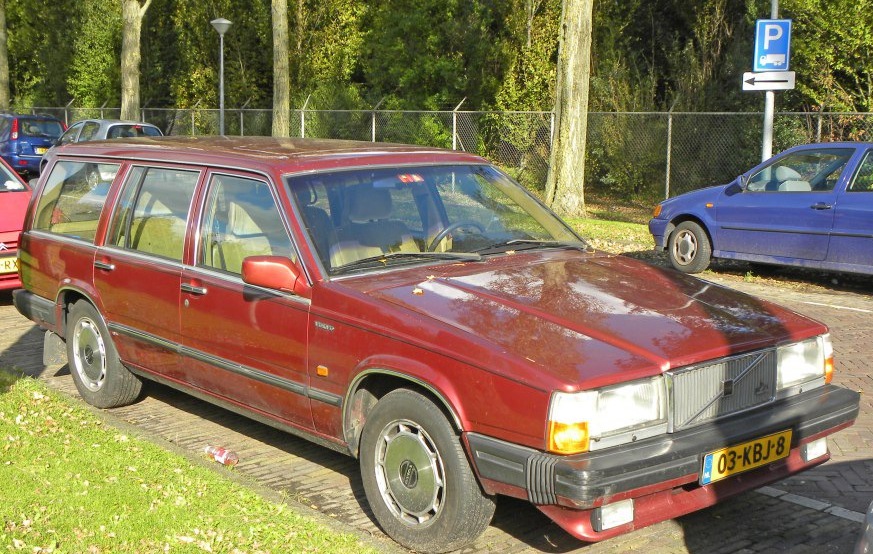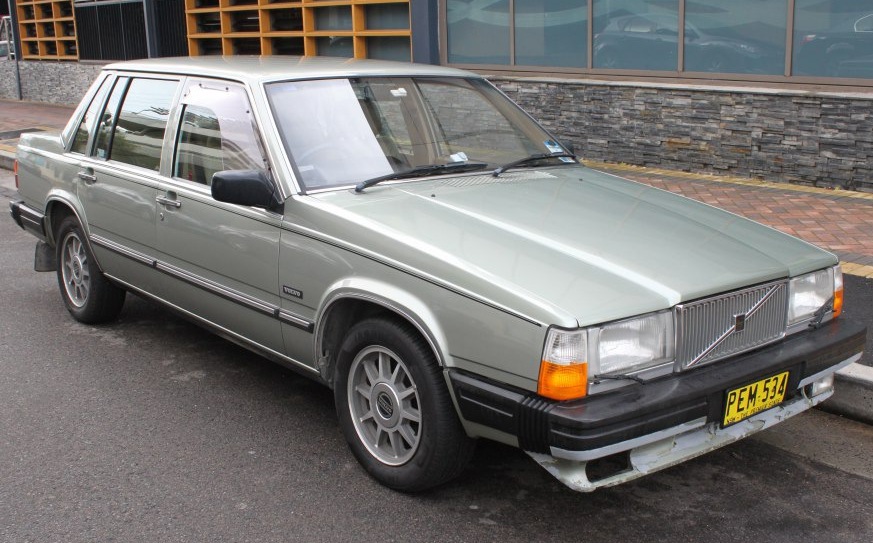
The Volvo 760, specifically the 2.8-liter (143 hp) variant produced between 1986 and 1991, represented a significant step forward for the Swedish automaker. Falling under the 704 and 764 chassis codes, this model was Volvo’s initial foray into the upper-midsize executive car segment, aiming to compete with established German rivals like BMW and Mercedes-Benz. The 760 was a key component of Volvo’s strategy to move upmarket, offering a blend of Scandinavian practicality, robust engineering, and a focus on safety. This particular 2.8-liter engine and automatic transmission combination occupied a middle ground in the 760 lineup, offering a balance between performance and affordability.
Technical Specifications
| Brand | Volvo |
| Model | 760 |
| Generation | 760 (704, 764) |
| Type (Engine) | 2.8 (704) (143 Hp) |
| Start of Production | 1986 |
| End of Production | 1991 |
| Powertrain Architecture | Internal Combustion Engine |
| Body Type | Sedan |
| Seats | 5 |
| Doors | 4 |
| Fuel Type | Petrol (Gasoline) |
| Power | 143 Hp |
| Engine Model/Code | B280F |
| Engine Aspiration | Naturally Aspirated |
| Engine Oil Capacity | 6 l (6.34 US qt | 5.28 UK qt) |
| Coolant Capacity | 9.3 l (9.83 US qt | 8.18 UK qt) |
| Fuel Tank Capacity | 80 l (21.13 US gal | 17.6 UK gal) |
| Length | 4785 mm (188.39 in) |
| Width | 1760 mm (69.29 in) |
| Height | 1430 mm (56.3 in) |
Powertrain & Engine Architecture
The heart of the 760 2.8 was the B280F engine, a 2.8-liter inline-six cylinder powerplant. This engine was a descendant of Volvo’s long-running PRV V6, but adapted to an inline configuration for improved smoothness and reduced complexity. The B280F featured a cast iron block and an aluminum cylinder head, employing a single overhead camshaft (SOHC) design operating two valves per cylinder. Fuel delivery was managed by Bosch K-Jetronic mechanical fuel injection, a system known for its reliability but less precise control compared to later electronic systems. The engine produced 143 horsepower and approximately 195 lb-ft of torque. This power was delivered to the rear wheels through a four-speed automatic transmission, a Borg-Warner unit known for its durability. While not particularly sporty, the transmission provided smooth shifts and adequate performance for comfortable cruising.
Driving Characteristics
The 760 2.8 with the automatic transmission offered a relaxed and refined driving experience. Acceleration was adequate, with a 0-60 mph time estimated around 10-11 seconds. However, it wasn’t designed for spirited driving. The automatic transmission, while smooth, did sap some of the engine’s potential, resulting in a noticeable difference in responsiveness compared to the five-speed manual version. The gear ratios were geared towards fuel efficiency and comfortable highway cruising. The car felt substantial and planted on the road, thanks to its relatively heavy weight and well-tuned suspension. Steering was power-assisted, but lacked the direct feel preferred by some enthusiasts. Overall, the driving experience prioritized comfort and ease of use over outright performance.
Equipment & Trim Levels
The 760 2.8 automatic typically came well-equipped for its time. Standard features included power windows, power locks, central locking, and a basic audio system. The interior was characterized by comfortable, supportive seats upholstered in durable cloth or optional leather. The dashboard layout was functional and straightforward, with clearly labeled controls. Optional extras included a sunroof, upgraded audio systems, cruise control, and heated seats. The trim level generally fell in the mid-range of the 760 lineup. It wasn’t as sparsely equipped as the base models, but lacked some of the luxury features found in the higher-end trims.
Chassis & Braking
The 760 2.8 utilized a traditional body-on-frame construction, contributing to its robust feel and durability. The suspension consisted of independent front suspension with MacPherson struts and a solid rear axle with leaf springs. This setup provided a comfortable ride, but wasn’t particularly sporty. Braking was initially accomplished with disc brakes at the front and drum brakes at the rear. Later models saw the adoption of rear disc brakes, improving stopping performance. Power steering was standard, and the car featured a relatively large turning circle, making it somewhat cumbersome in tight spaces. Stabilizer bars were fitted front and rear to reduce body roll during cornering.
Market Reception & Comparison
The Volvo 760 2.8 automatic received generally positive reviews from automotive critics. It was praised for its build quality, safety features, and comfortable ride. However, it was often criticized for its relatively modest performance and somewhat dated styling. Compared to its German rivals, the 760 offered a different appeal – a more understated elegance and a stronger emphasis on practicality. The automatic transmission was seen as a good match for the engine, providing smooth and effortless cruising. Fuel economy was reasonable for the time, but not exceptional. The 760 2.8 was often seen as a sensible and reliable choice for buyers seeking a comfortable and safe executive car.
Legacy
The Volvo 760, and particularly the 2.8-liter variant, has developed a loyal following among enthusiasts. The B280F engine is known for its durability and relative simplicity, making it a relatively easy engine to maintain. While not a high-performance machine, the 760 offers a unique blend of Scandinavian design, robust engineering, and a focus on safety. Today, well-maintained examples are becoming increasingly collectible. The automatic transmission, while not as desirable as the manual, remains reliable and provides a comfortable driving experience. The 760 represents a pivotal moment in Volvo’s history, marking its successful transition into the upper-midsize segment and establishing its reputation for building safe, reliable, and comfortable automobiles.