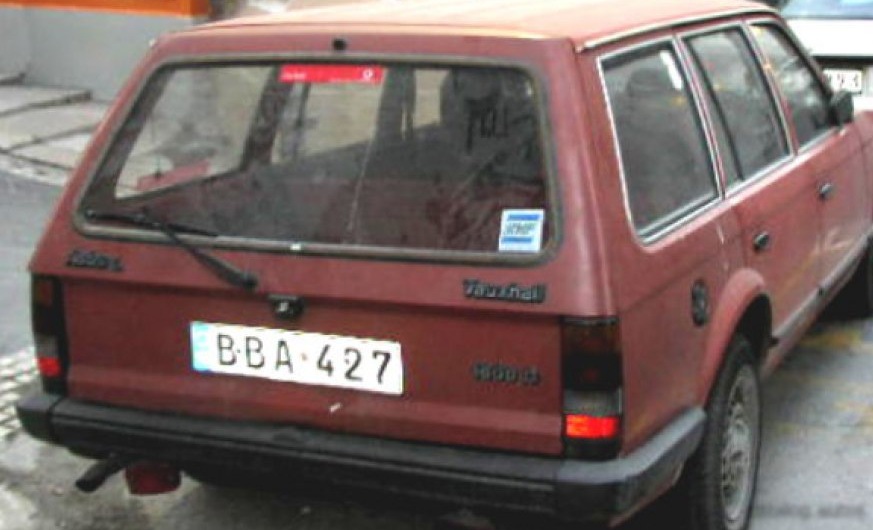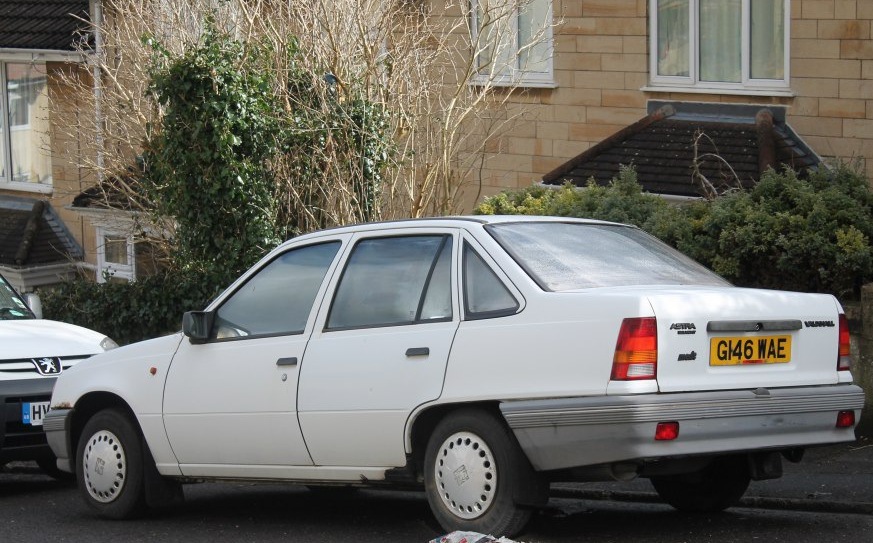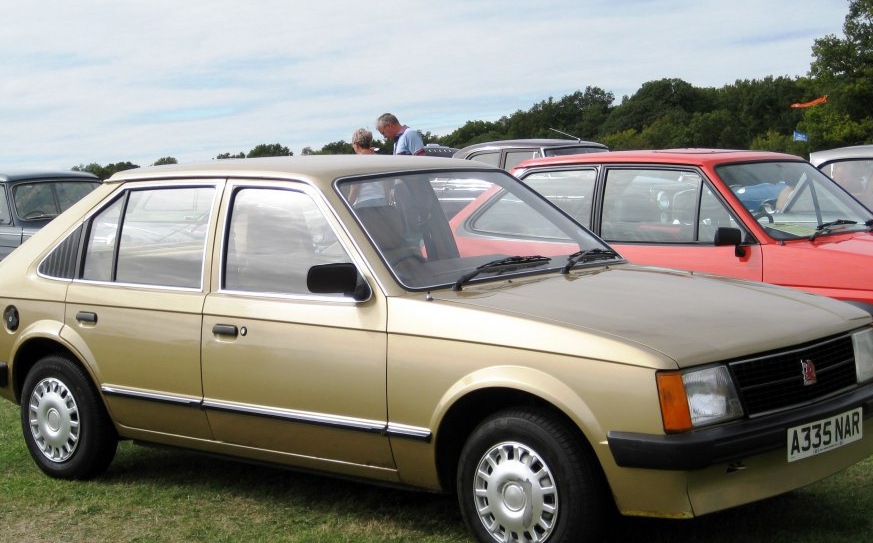
The Vauxhall Astra CC 1.6 D, produced between 1982 and 1984, represents an early foray into diesel power for the first-generation Astra. Positioned as the entry-level variant of the Astra CC (Coupe Chassis) hatchback, it aimed to provide economical transportation during a period of rising fuel costs. This model, identifiable by its ‘16D’ engine code, played a crucial role in establishing the Astra as a practical and affordable family car in the United Kingdom and other European markets. It was part of the broader Astra range, which included petrol-powered options offering varying levels of performance and equipment.
Technical Specifications
| Brand | Vauxhall |
| Model | Astra |
| Generation | Astra CC |
| Type (Engine) | 1.6 D (54 Hp) |
| Start of production | 1982 |
| End of production | 1984 |
| Powertrain Architecture | Internal Combustion engine |
| Body type | Hatchback |
| Seats | 5 |
| Doors | 5 |
| Fuel Type | Diesel |
| Power | 54 Hp |
| Engine Model/Code | 16D |
| Engine aspiration | Naturally aspirated engine |
| Engine oil capacity | 3.75 l (3.96 US qt | 3.3 UK qt) |
| Coolant capacity | 7.5 l (7.93 US qt | 6.6 UK qt) |
| Drivetrain Architecture | Front wheel drive |
Powertrain & Engine Architecture
The heart of the Astra CC 1.6 D is the 16D engine, a 1.6-liter naturally aspirated diesel engine. This engine, while modest in output by modern standards, was a significant step for Vauxhall in offering a fuel-efficient alternative. The 16D is an indirect injection diesel, utilizing a Bosch rotary injection pump to deliver fuel into the pre-chamber. This system, common for diesels of the era, allowed for smoother combustion and reduced engine noise compared to direct injection systems. The engine features a simple overhead valve (OHV) valvetrain with two valves per cylinder. The engine’s relatively low compression ratio (around 23:1) contributed to its durability, but also limited its power output. The engine was mated to a four-speed manual transmission, as an automatic transmission was not offered with this engine variant.
Driving Characteristics
The Astra CC 1.6 D was not designed for spirited driving. With only 54 horsepower, acceleration was leisurely, and overtaking required careful planning. The four-speed manual transmission, while robust, had relatively wide gear ratios, meaning the engine often felt strained when climbing hills or accelerating quickly. However, the engine’s torque characteristics – typical of a diesel – provided reasonable pulling power at low speeds. The gearing was optimized for fuel economy rather than performance. Compared to the petrol-powered Astra variants, the 1.6 D offered significantly better fuel consumption, but at the expense of responsiveness. The manual transmission allowed for a degree of driver control, but the limited power meant that frequent gear changes were necessary to maintain momentum.
Equipment & Trim Levels
The 1.6 D variant of the Astra CC was typically the base model, reflecting its position as the entry point to the Astra range. Standard equipment was fairly basic, consisting of cloth upholstery, vinyl floor covering, and a simple dashboard layout. Features like a radio, heated rear window, and upgraded interior trim were often optional extras. The exterior trim was also minimal, with black plastic bumpers and steel wheels with hubcaps being common. The focus was on providing a functional and affordable vehicle, rather than luxury or extensive features. The interior was designed for practicality and durability, with hard-wearing materials used throughout.
Chassis & Braking
The Astra CC 1.6 D utilized a relatively simple chassis design. The front suspension consisted of MacPherson struts with a stabilizer bar, while the rear suspension employed a twist-beam axle. This setup provided a reasonable balance between ride comfort and handling, although it wasn’t particularly sporty. Braking was handled by disc brakes on the front wheels and drum brakes on the rear wheels. The braking system was adequate for the car’s weight and performance, but lacked the stopping power of more modern systems. The steering was a rack-and-pinion system, providing reasonably precise control. The suspension was tuned for comfort, prioritizing a smooth ride over sharp handling.
Market Reception & Comparison
The Astra CC 1.6 D was generally well-received as an economical and reliable vehicle. Critics praised its fuel efficiency, particularly in a period of rising fuel prices. However, its lack of power and relatively basic equipment levels were often noted. Compared to the petrol-powered Astra variants, the 1.6 D offered significantly better fuel economy, but at the cost of performance. The 1.6 D appealed to buyers who prioritized economy and practicality over driving excitement. It was often chosen by fleet operators and private buyers who covered high mileage. The diesel engine’s inherent durability also contributed to its appeal.
Legacy
The Astra CC 1.6 D, while not a performance icon, played a significant role in establishing the Astra as a popular and versatile family car. The 16D engine proved to be a robust and reliable unit, and many examples remained on the road for many years. In the used car market today, these early Astra diesels are becoming increasingly rare and sought after by enthusiasts and collectors. While maintenance can be challenging due to the age of the vehicle and the limited availability of parts, the 1.6 D engine is generally considered to be a durable and long-lasting powertrain. The Astra CC 1.6 D represents a snapshot of automotive engineering from the early 1980s, offering a glimpse into a time when fuel efficiency and practicality were paramount.