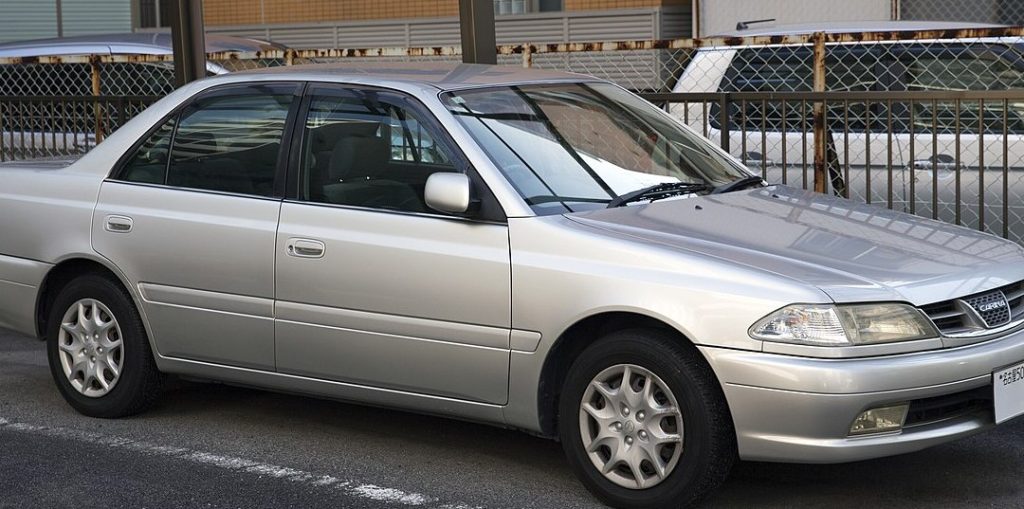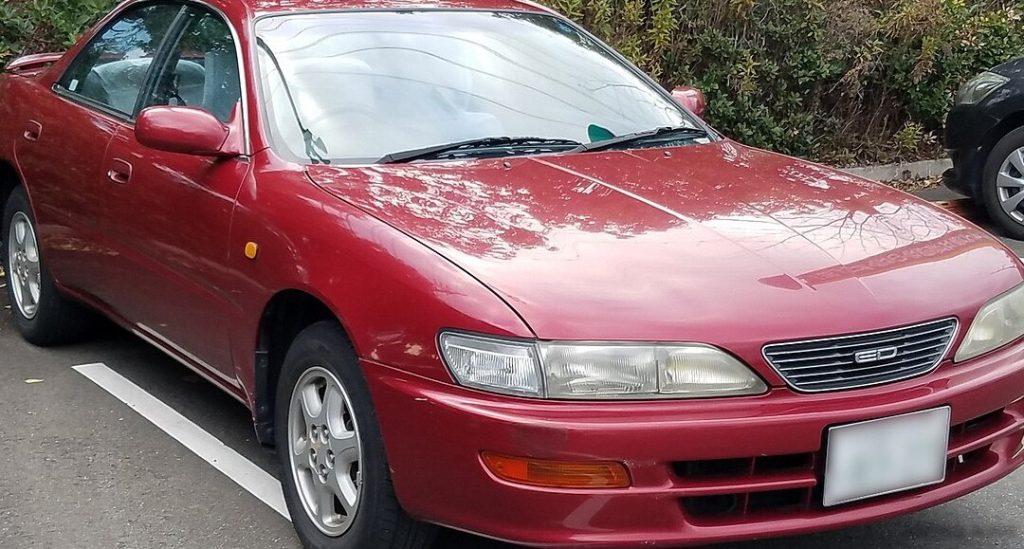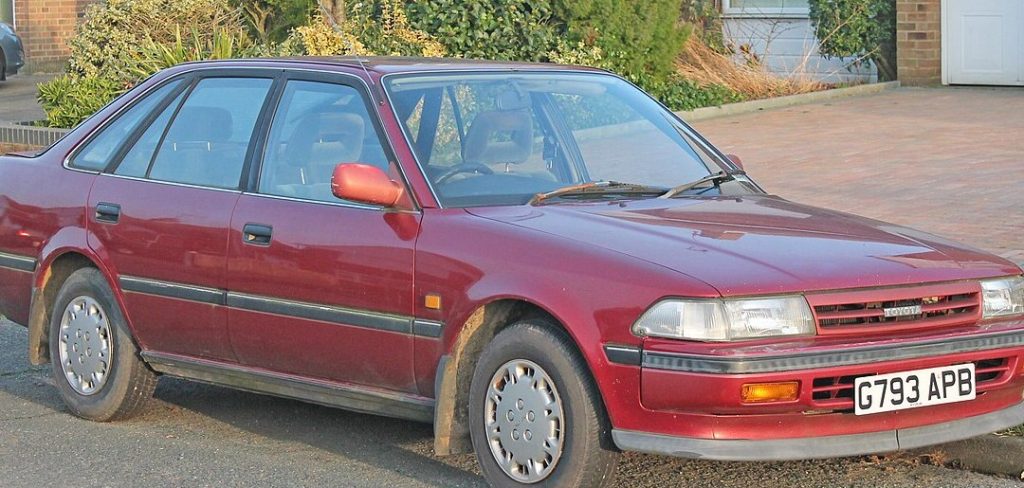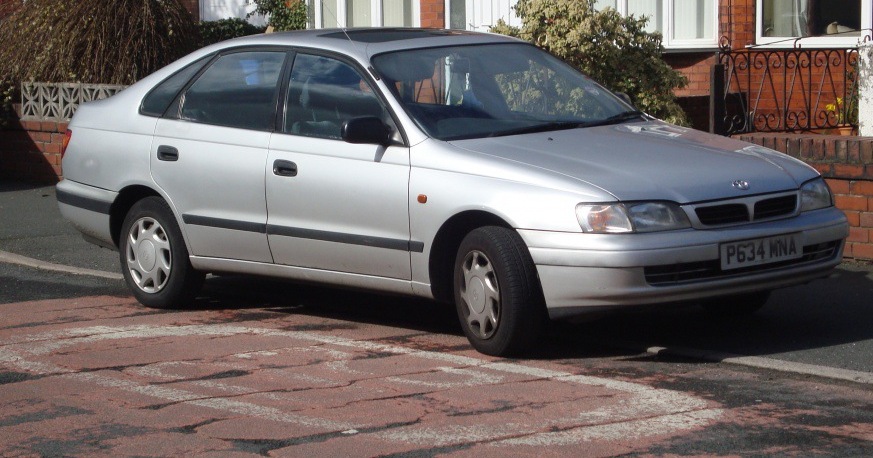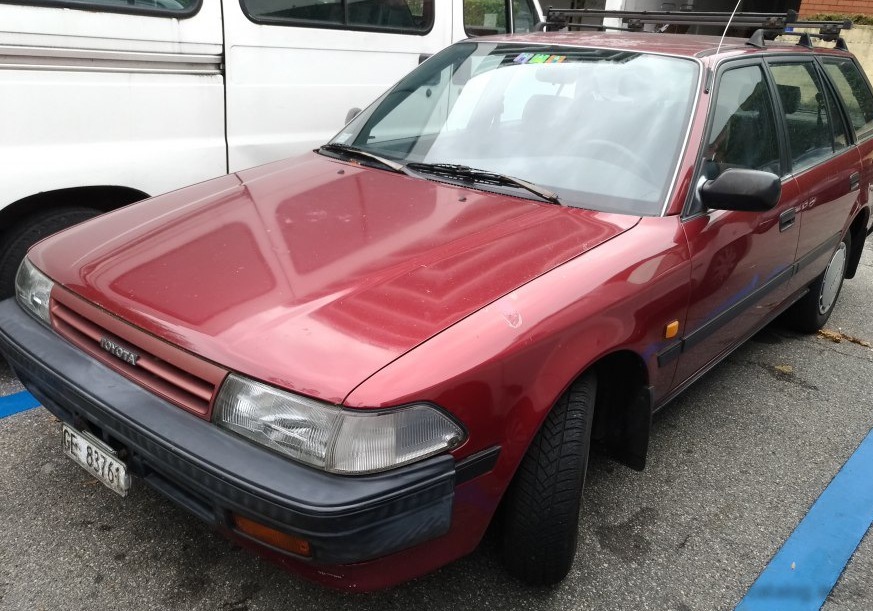
The Toyota Carina Wagon (T17) 2.0, produced between 1988 and 1992, represented a practical and relatively upscale offering in Toyota’s European and Japanese lineups. Positioned as a family-oriented vehicle, the T17 Carina Wagon aimed to provide comfortable transportation with a focus on reliability and a spacious interior. This particular 2.0-liter, 121 horsepower variant served as a mid-range option within the T17 series, offering a balance between performance and fuel economy. It slotted above the smaller displacement engines and below the more powerful, often turbocharged, options available in certain markets. The T17 generation Carina was a significant evolution of the model, building upon the success of its predecessors with improved styling, technology, and refinement.
Technical Specifications
| Brand | Toyota |
| Model | Carina |
| Generation | Carina Wagon (T17) |
| Type (Engine) | 2.0 (121 Hp) |
| Start of production | 1988 |
| End of production | 1992 |
| Powertrain Architecture | Internal Combustion Engine |
| Body type | Wagon/Sedan |
| Seats | 5 |
| Doors | 5 |
| Fuel Type | Petrol (Gasoline) |
| Acceleration 0 – 100 km/h | 25 sec |
| Acceleration 0 – 62 mph | 25 sec |
| Acceleration 0 – 60 mph | 23.8 sec |
| Maximum speed | 240 km/h (149.13 mph) |
| Power | 121 Hp |
| Power per litre | 60.6 Hp/l |
| Engine Model/Code | 3S-FE |
| Engine displacement | 1998 cm3 (121.93 cu. in.) |
| Engine aspiration | Naturally aspirated |
| Engine oil capacity | 4.1 l (4.33 US qt | 3.61 UK qt) |
| Fuel tank capacity | 60 l (15.85 US gal | 13.2 UK gal) |
| Drivetrain Architecture | Front Wheel Drive |
Powertrain & Engine Architecture
The heart of the Carina Wagon 2.0 was the 3S-FE engine, a 1.998-liter, naturally aspirated inline-four cylinder powerplant. This engine was a cornerstone of Toyota’s engine family during the late 1980s and early 1990s, known for its durability and relatively smooth operation. The 3S-FE featured multi-point fuel injection, a five-bearing crankshaft for enhanced reliability, and a single overhead camshaft (SOHC) valvetrain with two valves per cylinder. While not a particularly high-performance engine, the 3S-FE delivered a respectable 121 horsepower and approximately 130 lb-ft of torque. The engine was paired with a four-speed automatic transmission, a common choice for buyers prioritizing convenience over outright performance. This transmission was electronically controlled, offering smoother shifts compared to older hydraulic systems. The front-wheel-drive configuration was standard for this variant.
Driving Characteristics
The 2.0-liter automatic Carina Wagon offered a comfortable, if not particularly sporty, driving experience. Acceleration from 0-60 mph took around 23.8 seconds, and top speed was rated at 149 mph. The automatic transmission, while providing ease of use, did somewhat diminish the engine’s potential. Gear ratios were tuned for fuel efficiency and smooth cruising rather than rapid acceleration. Compared to the manual transmission versions of the 2.0, the automatic suffered a slight performance penalty. Higher-output versions, such as those found in Japanese domestic market (JDM) models with optional turbocharging, offered significantly more spirited performance. However, the 2.0 automatic provided adequate power for everyday driving and highway cruising, particularly when unladen. The suspension was tuned for comfort, absorbing bumps and providing a stable ride, but it wasn’t particularly engaging for enthusiastic drivers.
Equipment & Trim Levels
The Carina Wagon 2.0 typically came equipped with a reasonable level of standard features. Interior upholstery was usually cloth, with options for upgraded velour or leather in some markets. Power steering, central locking, and electric windows were common features. Air conditioning was often standard, or available as an option. The dashboard layout was functional and straightforward, with clearly labeled controls. Optional extras included a sunroof, upgraded audio systems (often with cassette players), and alloy wheels. Trim levels varied depending on the market, but generally, the 2.0 model represented a mid-range offering, positioned above the base models with smaller engines and fewer features.
Chassis & Braking
The T17 Carina Wagon utilized a MacPherson strut front suspension and a torsion beam rear suspension. This setup provided a good balance between ride comfort and handling. Braking was typically accomplished with disc brakes on the front wheels and drum brakes on the rear. Anti-lock braking systems (ABS) were available as an option, enhancing safety. Stabilizer bars were fitted to both the front and rear axles to reduce body roll during cornering. The chassis was designed to provide a stable and predictable driving experience, prioritizing comfort and safety over outright sportiness. The weight distribution was fairly balanced, contributing to the car’s overall stability.
Market Reception & Comparison
The Toyota Carina Wagon 2.0 was generally well-received by automotive critics as a practical and reliable family car. It was praised for its spacious interior, comfortable ride, and Toyota’s reputation for build quality. However, it wasn’t considered a particularly exciting vehicle to drive. Compared to other wagons in its class, such as the Ford Mondeo or Opel Vectra, the Carina Wagon offered a more refined and reliable experience, but lacked the same level of driver engagement. Fuel economy was respectable for the time, averaging around 25-30 mpg in mixed driving conditions. Reliability was a key strength, with the 3S-FE engine proving to be exceptionally durable.
Legacy
The Toyota Carina Wagon, and the 3S-FE engine in particular, have developed a reputation for long-term reliability. Many examples are still on the road today, a testament to Toyota’s engineering and build quality. In the used car market, the Carina Wagon 2.0 represents a relatively affordable and dependable option for those seeking a practical family vehicle. Maintenance costs are generally low, and parts availability is still reasonable. While not a collector’s item, the Carina Wagon holds a nostalgic appeal for those who remember it as a reliable and comfortable family car from the late 1980s and early 1990s. The 3S-FE engine remains a popular choice for engine swaps and rebuilds due to its robustness and readily available parts.