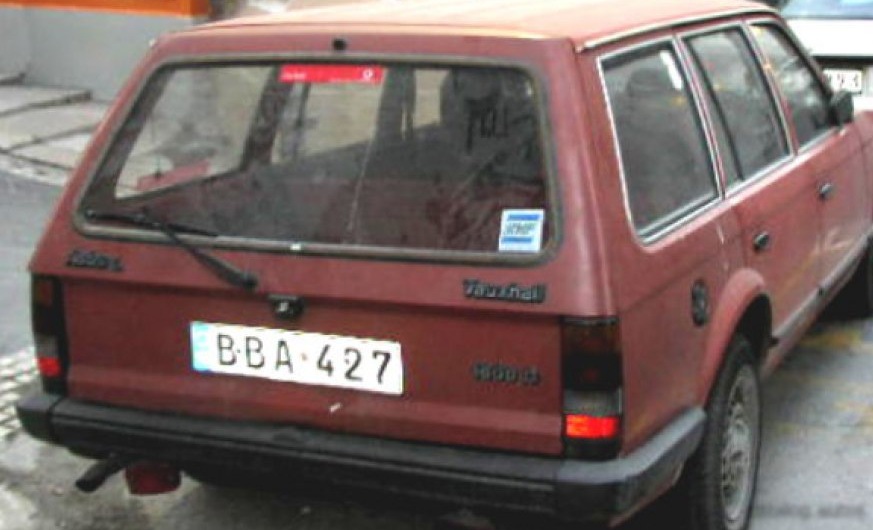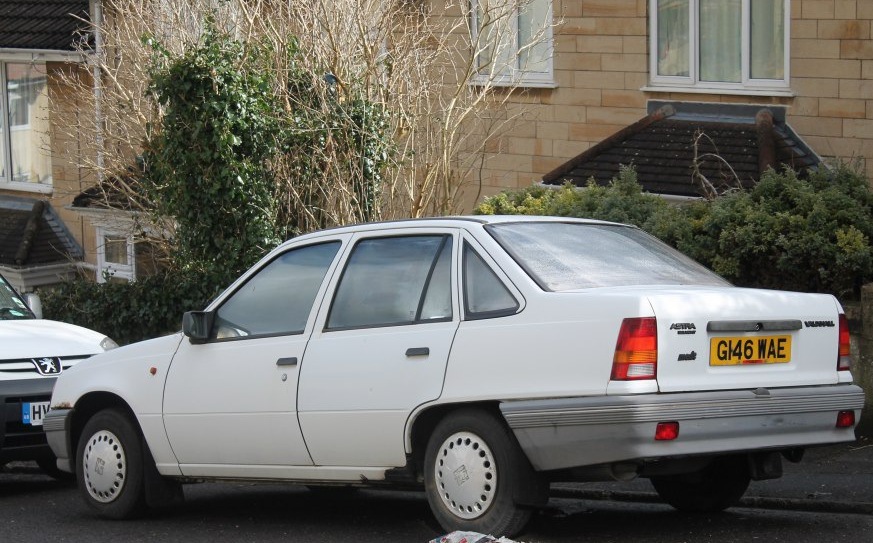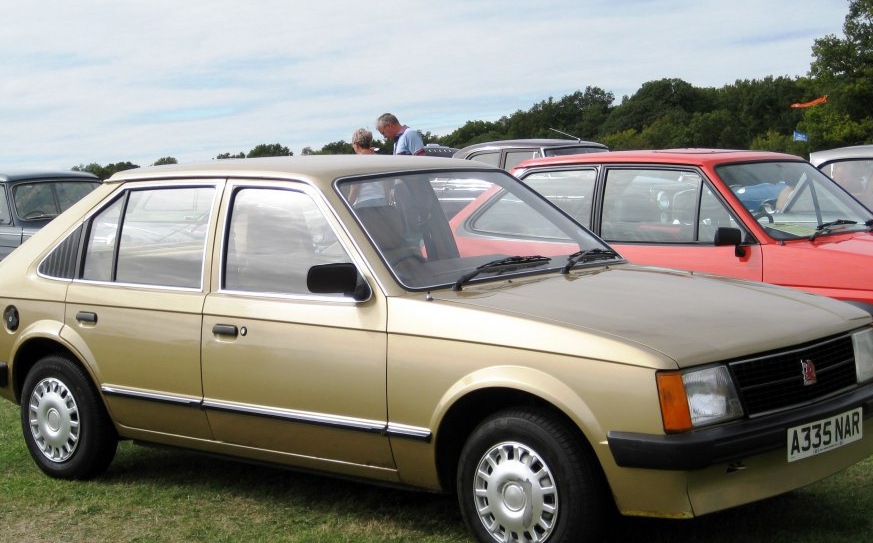
The Vauxhall Astra CC 1.6 S, produced between 1981 and 1984, represented an entry-level offering within the first generation Astra (Astra CC) lineup. This five-door hatchback aimed to provide affordable and economical transportation for the UK market, capitalizing on the growing popularity of front-wheel-drive hatchbacks. Positioned below the more powerful and often better-equipped models, the 1.6 S focused on practicality and fuel efficiency, making it a popular choice for first-time buyers and those seeking a no-frills family car. It was a key component in establishing the Astra as a mainstream competitor in the British automotive landscape.
Technical Specifications
| Brand | Vauxhall |
| Model | Astra |
| Generation | Astra CC |
| Type (Engine) | 1.6 S (90 Hp) |
| Start of production | 1981 |
| End of production | 1984 |
| Powertrain Architecture | Internal Combustion engine |
| Body type | Hatchback |
| Seats | 5 |
| Doors | 5 |
| Fuel Type | Petrol (Gasoline) |
| Power | 90 Hp |
| Engine Model/Code | 16SH |
| Engine aspiration | Naturally aspirated engine |
| Engine oil capacity | 3.25 l (3.43 US qt | 2.86 UK qt) |
| Coolant capacity | 7.7 l (8.14 US qt | 6.78 UK qt) |
| Drivetrain Architecture | Front wheel drive |
| Number of gears | 4 |
| Gearbox type | Manual transmission |
Powertrain & Engine Architecture
The heart of the Astra 1.6 S was the 16SH engine, a 1.6-liter inline-four cylinder petrol engine. This engine was a relatively simple design, featuring a single overhead camshaft (SOHC) operating two valves per cylinder. Fuel delivery was managed by a carburetor, a common feature for vehicles of this era, rather than fuel injection. This carburetor setup, while less precise than injection, contributed to the engine’s affordability and ease of maintenance. The 16SH produced 90 horsepower, providing adequate, though not exhilarating, performance for everyday driving. The engine’s design prioritized reliability and fuel economy over outright power. The four-speed manual transmission was the only gearbox option available with this engine, offering a straightforward driving experience. The transmission was known for its durability, but its limited number of gears meant the engine could be somewhat noisy at highway speeds.
Driving Characteristics
The Astra 1.6 S offered a predictable and manageable driving experience. With 90 horsepower and a relatively lightweight body, acceleration was adequate for merging onto highways and navigating city streets. However, it wasn’t designed for rapid acceleration or sporty driving. The four-speed gearbox meant that gear changes were frequent, especially when climbing hills or overtaking. The front-wheel-drive configuration provided decent handling, although it lacked the sophistication of more modern systems. The suspension, while basic, offered a comfortable ride on most road surfaces. Compared to higher-spec Astra models with larger engines, the 1.6 S felt noticeably slower and less refined. The manual transmission allowed for greater driver control, but required more effort than the automatic transmissions found in some competing vehicles.
Equipment & Trim Levels
The Astra 1.6 S was positioned as the entry-level trim, and as such, it came with a relatively basic level of equipment. Standard features typically included cloth upholstery, a simple dashboard layout with analog gauges, and basic exterior trim. Power steering was not standard, requiring more effort for low-speed maneuvers. Optional extras, such as a radio, upgraded interior trim, and a sunroof, were available, but added to the overall cost. The interior was functional and durable, prioritizing practicality over luxury. The exterior styling was typical of early 1980s hatchbacks, with a boxy shape and relatively small windows.
Chassis & Braking
The Astra CC utilized a MacPherson strut front suspension and a twist-beam rear suspension. This setup provided a reasonable balance between ride comfort and handling. The braking system consisted of disc brakes on the front wheels and drum brakes on the rear wheels. This combination was typical for vehicles in this price range during the early 1980s. The brakes were adequate for normal driving conditions, but lacked the stopping power of more advanced systems. Stabilizer bars were fitted to both the front and rear axles, helping to reduce body roll during cornering. The chassis was relatively lightweight, contributing to the car’s fuel efficiency and maneuverability.
Market Reception & Comparison
The Vauxhall Astra 1.6 S was generally well-received by critics as an affordable and practical family car. It was praised for its fuel efficiency, reliability, and ease of maintenance. However, it was also criticized for its lack of power and refinement compared to some of its competitors, such as the Ford Escort and the Volkswagen Golf. Fuel economy was a key selling point, particularly during a period of rising fuel prices. The 1.6 S offered a competitive price point, making it accessible to a wide range of buyers. Compared to the higher-spec Astra models, such as the 1.8 SR, the 1.6 S offered significantly lower running costs, but at the expense of performance and features.
Legacy
The Astra 1.6 S, while not the most powerful or luxurious version of the first-generation Astra, played a crucial role in establishing the model as a popular choice in the UK market. The 16SH engine proved to be remarkably durable, and many examples are still on the road today. The simplicity of the design makes it relatively easy to maintain and repair, appealing to enthusiasts and those seeking a classic car project. In the used car market, the 1.6 S is often sought after by those looking for an affordable and reliable classic hatchback. Its historical significance lies in its representation of the affordable family car of the early 1980s, a period of significant change in the British automotive industry.