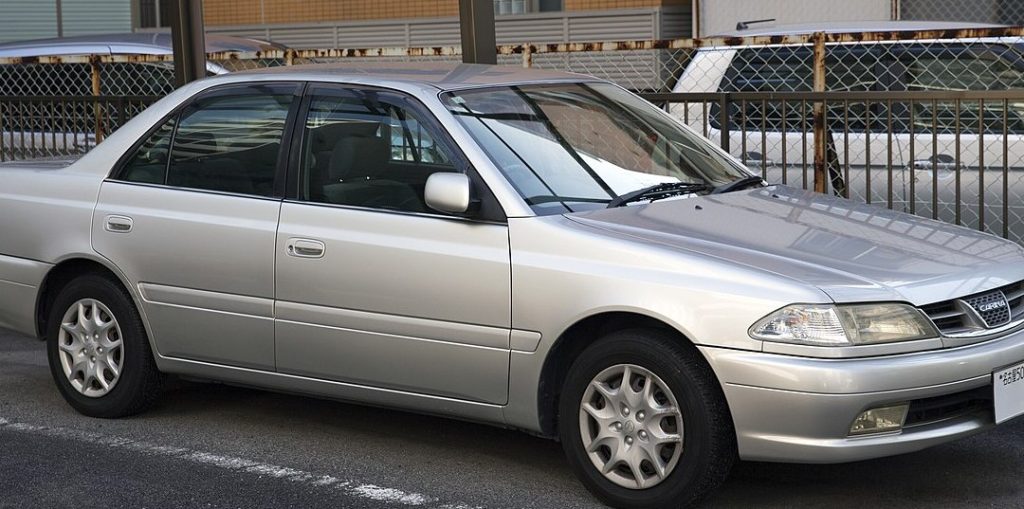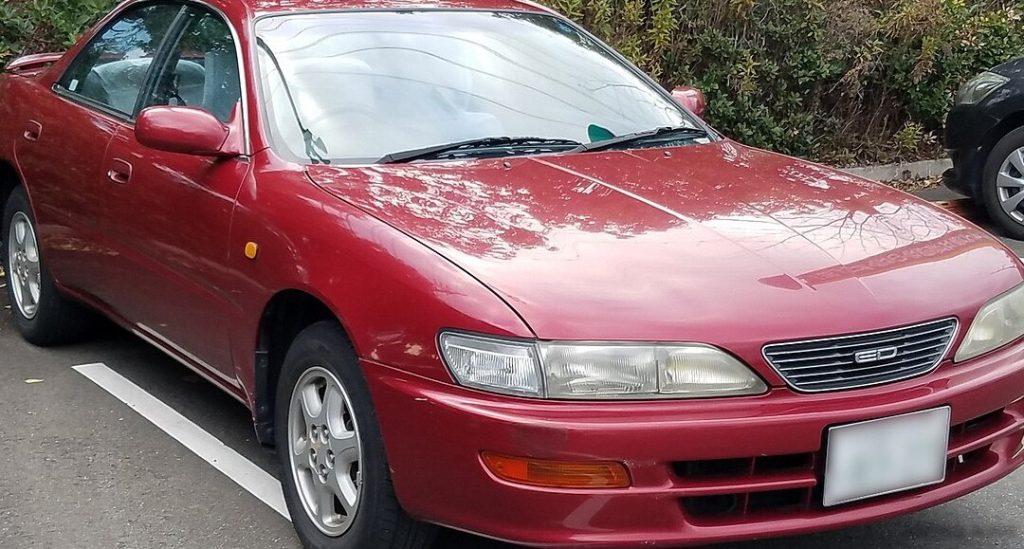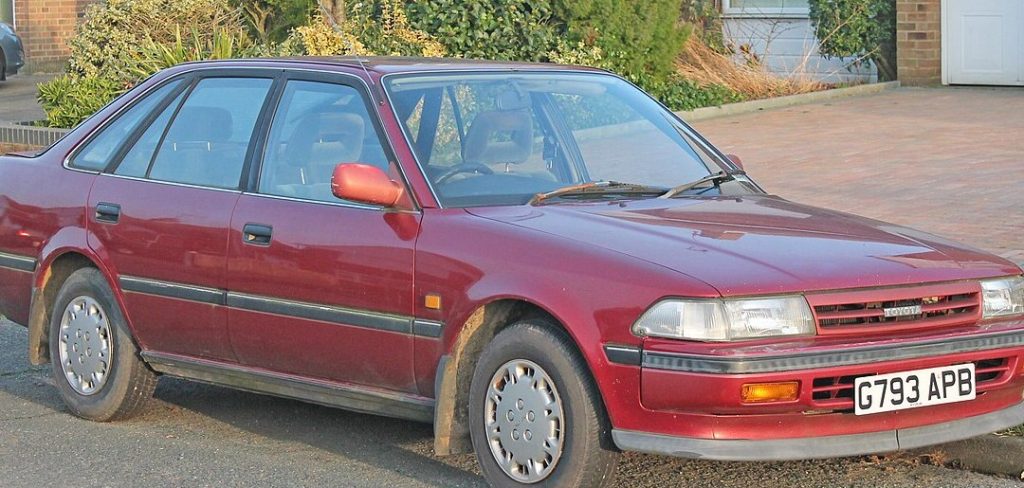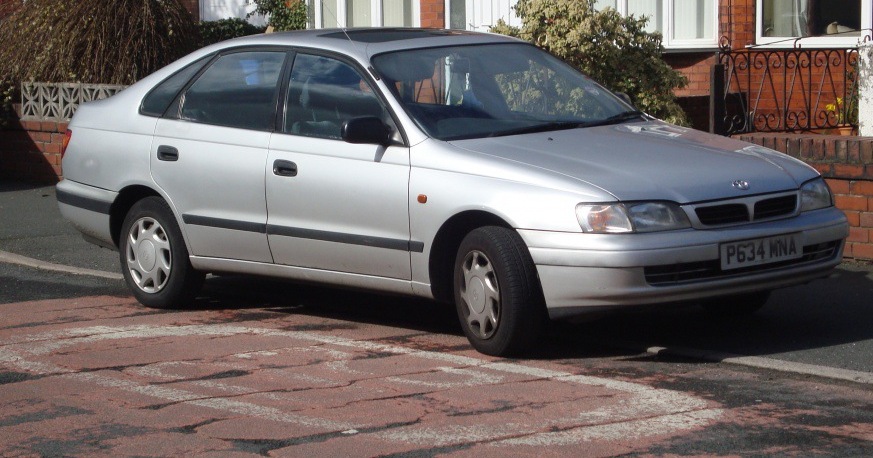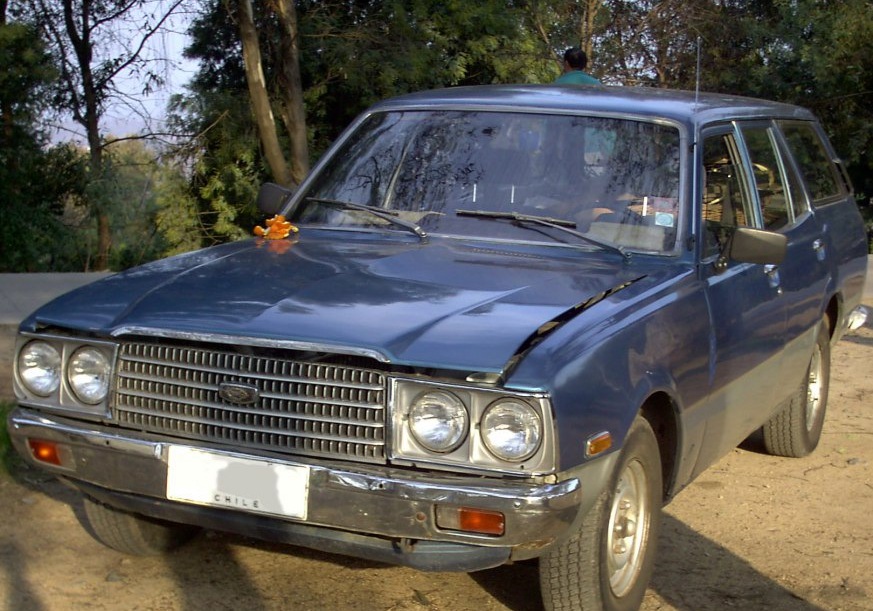
The Toyota Carina Wagon (TA4K) 1.6, produced between 1977 and 1981, represented Toyota’s entry into the increasingly popular station wagon market. Part of the broader Carina line, the TA4K wagon offered practical family transport with a focus on reliability and fuel efficiency, characteristics central to the Toyota brand during this period. It was positioned as a more affordable and utilitarian alternative to larger, more luxurious wagons offered by competitors. The TA4K chassis code specifically denotes this wagon variant, distinguishing it from the sedan and coupe models within the Carina range.
Technical Specifications
| Brand | Toyota |
| Model | Carina |
| Generation | Carina Wagon (TA4K) |
| Type (Engine) | 1.6 (TA4K) (75 Hp) |
| Start of production | 1977 |
| End of production | 1981 |
| Powertrain Architecture | Internal Combustion engine |
| Body type | Station wagon (estate) |
| Seats | 5 |
| Doors | 5 |
| Fuel Type | Petrol (Gasoline) |
| Power | 75 Hp |
| Engine Model/Code | 2T |
| Engine aspiration | Naturally aspirated engine |
| Engine oil capacity | 4.2 l (4.44 US qt | 3.7 UK qt) |
| Coolant capacity | 7.9 l (8.35 US qt | 6.95 UK qt) |
Powertrain & Engine Architecture
The Carina Wagon TA4K 1.6 was powered by the Toyota 2T engine, a 1.6-liter (1588 cc) inline-four cylinder gasoline engine. This engine was a relatively simple design, featuring a single overhead camshaft (SOHC) and two valves per cylinder. The 2T engine utilized a carburetor for fuel delivery, a common practice for vehicles of this era, rather than fuel injection. The carburetor provided adequate, though not exceptional, fuel atomization. The engine produced 75 horsepower at approximately 6,000 rpm and around 86 lb-ft of torque at 3,600 rpm. The engine block was cast iron, contributing to its durability, while the cylinder head was aluminum. The transmission paired with the 2T in the TA4K was typically a three-speed automatic, although a four-speed manual transmission was also available. The automatic transmission was designed for smooth, comfortable operation rather than sporty performance, prioritizing ease of use for the average driver.
Driving Characteristics
The 1.6-liter engine and three-speed automatic transmission combination in the Carina Wagon TA4K resulted in a driving experience geared towards practicality and economy. Acceleration was modest, with 0-60 mph times estimated to be around 14-16 seconds. The automatic transmission’s gear ratios were optimized for fuel efficiency and relaxed cruising, rather than quick acceleration. The transmission’s shift points were relatively low, keeping the engine within its optimal torque band for everyday driving. Compared to the available manual transmission, the automatic version sacrificed some responsiveness and fuel economy, but offered significantly greater convenience, particularly in urban environments. The wagon’s suspension, while not particularly sophisticated, provided a comfortable ride, absorbing bumps and imperfections in the road reasonably well. Handling was predictable but not sporty, reflecting the car’s intended purpose as a family vehicle.
Equipment & Trim Levels
The Toyota Carina Wagon TA4K 1.6 was generally offered with a fairly basic level of equipment, reflecting its position as an affordable family wagon. Standard features typically included cloth upholstery, a basic AM/FM radio, and manual windows and door locks. The dashboard was functional and straightforward in its design, with clearly labeled gauges for speed, fuel level, and coolant temperature. Optional extras could include a more advanced radio with cassette player, upgraded interior trim, and occasionally, air conditioning, though this was less common. The interior space was a key selling point, offering ample room for passengers and cargo. The rear seats could be folded down to create a larger cargo area, enhancing the wagon’s versatility. Trim levels were relatively limited, with most TA4K wagons being equipped with similar features. Variations primarily revolved around exterior color and the presence of optional extras.
Chassis & Braking
The Carina Wagon TA4K utilized a body-on-frame construction, a common practice for wagons of this era. The suspension consisted of independent front suspension with MacPherson struts and a live axle with leaf springs at the rear. This setup provided a reasonable balance between ride comfort and load-carrying capacity. Braking was typically accomplished with drum brakes on all four wheels, although some later models may have featured front disc brakes. The braking system was adequate for the car’s weight and performance, but lacked the stopping power of more modern braking systems. Steering was manual rack and pinion, providing reasonably precise control. The chassis was designed to prioritize durability and reliability, rather than sporty handling. Stabilizer bars were not typically fitted to the base TA4K models, further emphasizing the focus on comfort over performance.
Market Reception & Comparison
The Toyota Carina Wagon TA4K 1.6 was generally well-received in its target market, particularly in countries where station wagons were popular. Critics praised its reliability, fuel efficiency, and practicality. However, the 1.6-liter engine was often considered underpowered, especially when the wagon was fully loaded with passengers and cargo. Compared to other trims in the Carina lineup, such as those equipped with larger engines, the 1.6-liter version offered a more affordable entry point but at the expense of performance. Competitors included wagons from Datsun (Nissan), Mazda, and Mitsubishi. The Carina Wagon distinguished itself through Toyota’s reputation for build quality and reliability. Fuel economy was a strong point, averaging around 25-30 mpg in real-world driving conditions.
Legacy
The Toyota Carina Wagon TA4K 1.6, while not a particularly groundbreaking vehicle, played a significant role in establishing Toyota as a major player in the global automotive market. The 2T engine proved to be remarkably durable and reliable, and many examples are still on the road today. The TA4K’s simple design and robust construction have contributed to its longevity. In the used car market, these wagons are often sought after by enthusiasts and collectors who appreciate their classic styling and mechanical simplicity. Parts availability can be a challenge, but many components are still available through specialist suppliers. The Carina Wagon TA4K 1.6 represents a bygone era of automotive engineering, characterized by practicality, reliability, and a focus on providing affordable transportation for families.