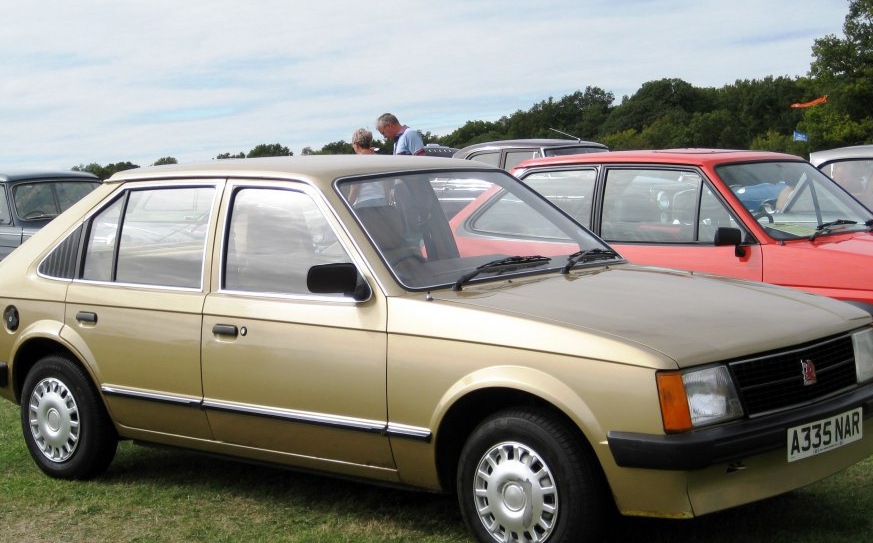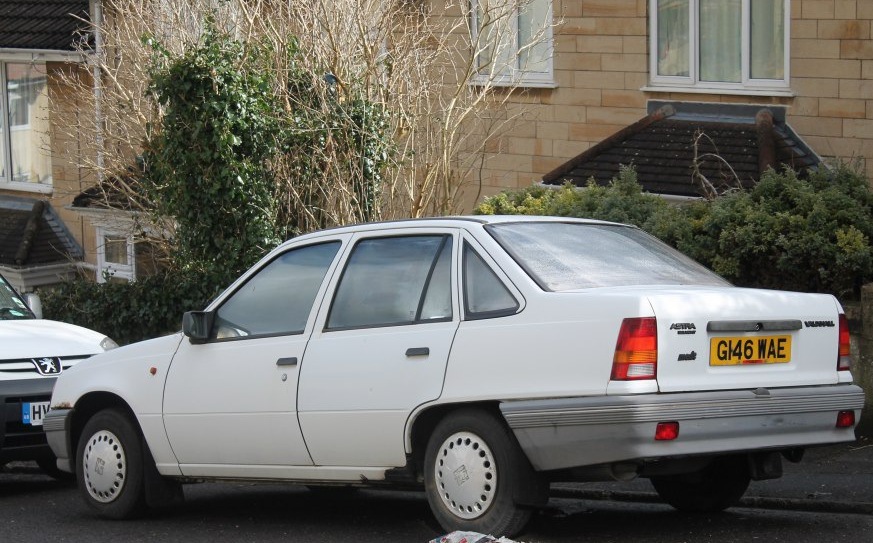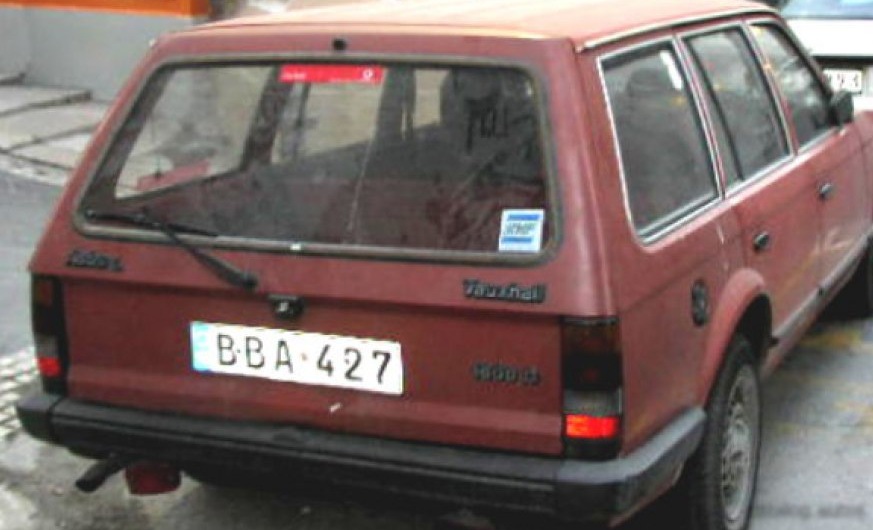
The Vauxhall Astra Estate 1.6 D, producing 54 horsepower, was a variant of the first-generation Astra Estate (designated as the Astra MkI) manufactured between 1982 and 1984. Positioned as the entry-level engine option within the estate range, it catered to buyers prioritizing fuel economy and practicality over outright performance. This model represented Vauxhall’s attempt to offer an affordable, diesel-powered wagon in a market increasingly focused on efficiency, particularly in Europe where the Astra competed with rivals like the Ford Sierra Estate and Renault 18 Estate.
Technical Specifications
| Brand | Vauxhall |
| Model | Astra |
| Generation | Astra Estate (MkI) |
| Type (Engine) | 1.6 D (54 Hp) |
| Start of production | 1982 |
| End of production | 1984 |
| Powertrain Architecture | Internal Combustion Engine |
| Body type | Station wagon (estate) |
| Seats | 5 |
| Doors | 5 |
| Fuel Type | Diesel |
| Power | 54 Hp |
| Engine Model/Code | 16D |
| Engine aspiration | Naturally aspirated |
| Engine oil capacity | 3.75 l (3.96 US qt | 3.3 UK qt) |
| Coolant capacity | 7.5 l (7.93 US qt | 6.6 UK qt) |
| Drivetrain Architecture | Front Wheel Drive |
Powertrain & Engine Architecture
The Astra 1.6 D utilized the 16D engine, a naturally aspirated, indirect injection diesel engine. This engine was a relatively simple design, reflecting the technology available in the early 1980s. Indirect injection meant fuel was sprayed into a pre-chamber before entering the main combustion chamber, aiding in smoother combustion and reduced noise compared to direct injection systems. The engine featured a cast iron block and head, contributing to its durability, but also adding to its overall weight. The 16D engine displaced 1588cc and produced 54 horsepower at around 4,200 rpm, with peak torque of approximately 88 lb-ft (120 Nm) available from a low 1,800 rpm. The engine was paired with a four-speed manual transmission as standard, although an optional three-speed automatic transmission was available, albeit rarely selected due to its further reduction in performance and increase in fuel consumption. The automatic transmission was a conventional hydraulic torque converter type.
Driving Characteristics
The Astra Estate 1.6 D was not known for its speed. Acceleration was leisurely, with a 0-60 mph time estimated to be well over 15 seconds. The focus was on providing adequate power for carrying loads and maintaining reasonable cruising speeds on motorways. The engine’s torque characteristics meant it was reasonably flexible at lower speeds, making it suitable for town driving and hauling. The four-speed manual transmission offered a reasonable spread of gears, but the engine lacked the rev-willingness of petrol counterparts. The optional automatic transmission further dulled performance, with noticeable ‘hunting’ between gears, especially under load. Steering was light, typical of the era, and the suspension provided a comfortable, if somewhat wallowy, ride, particularly when the vehicle was laden with cargo.
Equipment & Trim Levels
The 1.6 D Astra Estate typically represented the base trim level. Standard equipment was fairly basic, reflecting its position as an affordable workhorse. Features generally included cloth upholstery, a basic dashboard with analog gauges, and manually operated windows and door locks. Central locking and electric windows were not typically offered on this trim. The exterior featured black plastic trim and steel wheels with hubcaps. Optional extras included a radio, upgraded upholstery, and a sunroof. The interior was functional and durable, prioritizing practicality over luxury. The estate body style itself offered a significant advantage in terms of cargo capacity, with a generous boot space that could be further expanded by folding down the rear seats.
Chassis & Braking
The Astra Estate MkI utilized a MacPherson strut front suspension and a twist-beam rear axle. This suspension setup was relatively simple and cost-effective, providing a reasonable balance between ride comfort and handling. The 1.6 D models typically featured drum brakes on the rear wheels and disc brakes on the front. Braking performance was adequate for the vehicle’s weight and power output, but lacked the stopping power of more modern systems. Steering was rack and pinion, providing reasonably precise control. Stabilizer bars were fitted as standard, helping to reduce body roll during cornering, although the car was not designed for sporty driving.
Market Reception & Comparison
The Astra Estate 1.6 D was generally well-received as a practical and economical family vehicle. Critics acknowledged its fuel efficiency and spaciousness, but noted its lack of performance. Compared to the petrol-powered Astra Estates, the 1.6 D offered significantly better fuel economy, but at the cost of acceleration and refinement. The 1.8 petrol engine, while more expensive to run, provided a noticeably more engaging driving experience. The 1.6 D appealed to buyers who prioritized low running costs and reliability over performance. Its main competitors, such as the Ford Sierra Estate diesel and Renault 18 Estate diesel, offered similar levels of practicality and economy.
Legacy
The 16D engine, while not renowned for its power, proved to be a durable and reliable unit. Many examples of the Astra Estate 1.6 D are still in use today, testament to the engine’s longevity. However, age and mileage inevitably take their toll, and finding well-maintained examples is becoming increasingly difficult. The Astra Estate 1.6 D represents a significant chapter in Vauxhall’s history, showcasing the company’s commitment to providing affordable and practical vehicles to the British market. In the used car market, these models are typically valued for their simplicity and low running costs, appealing to enthusiasts and those seeking a classic, economical estate car.