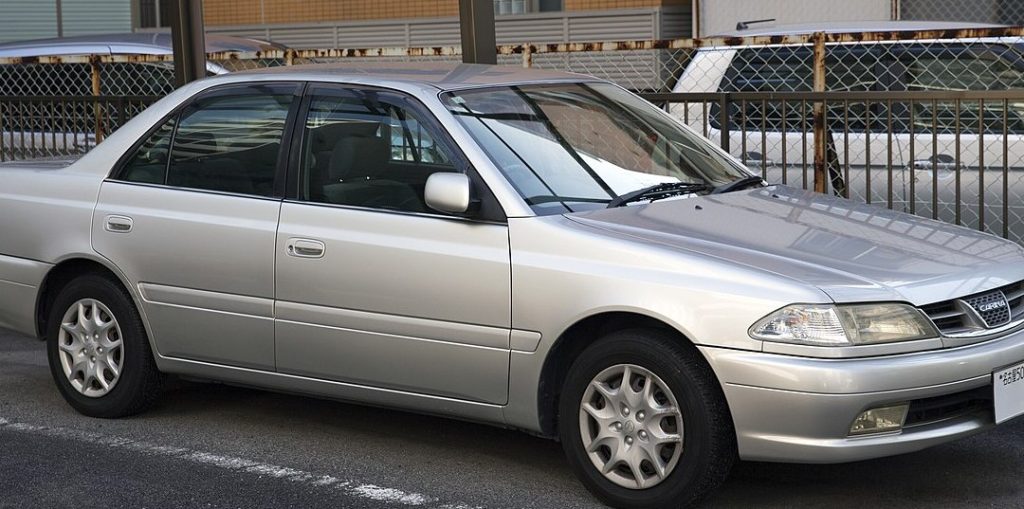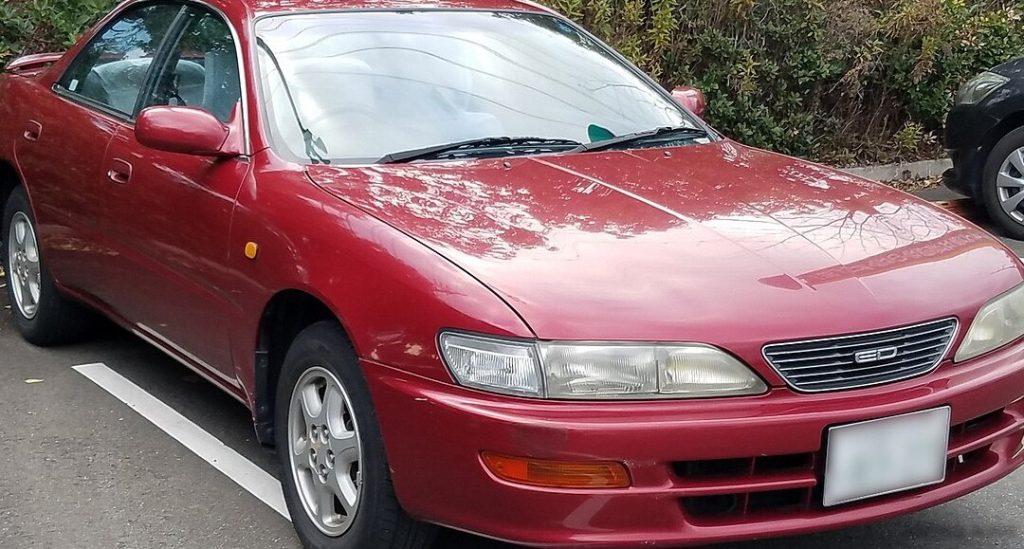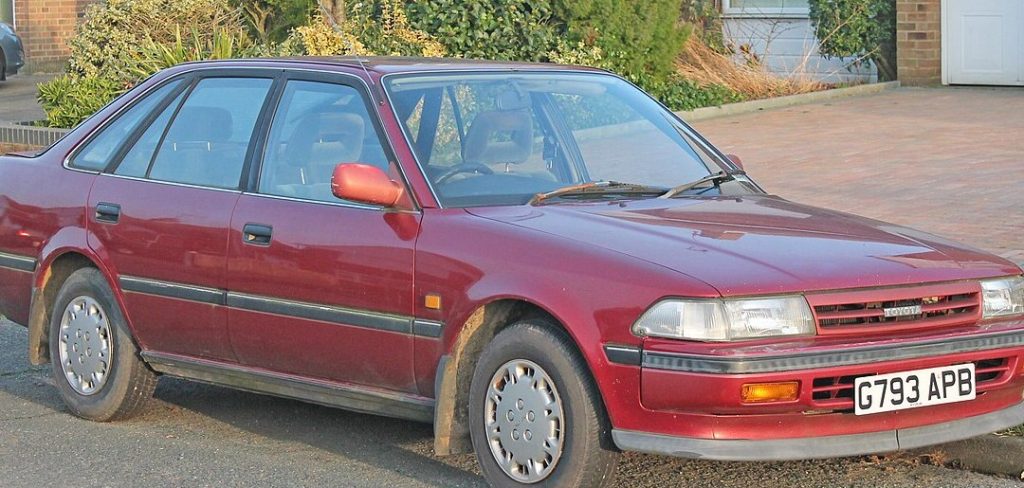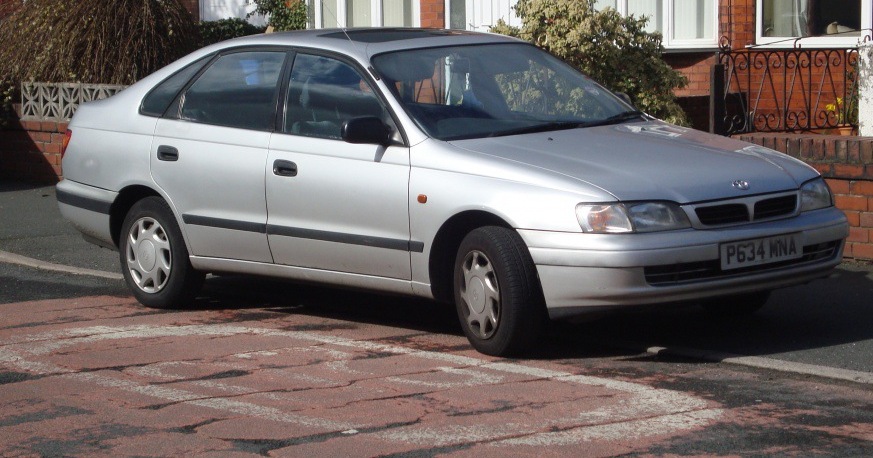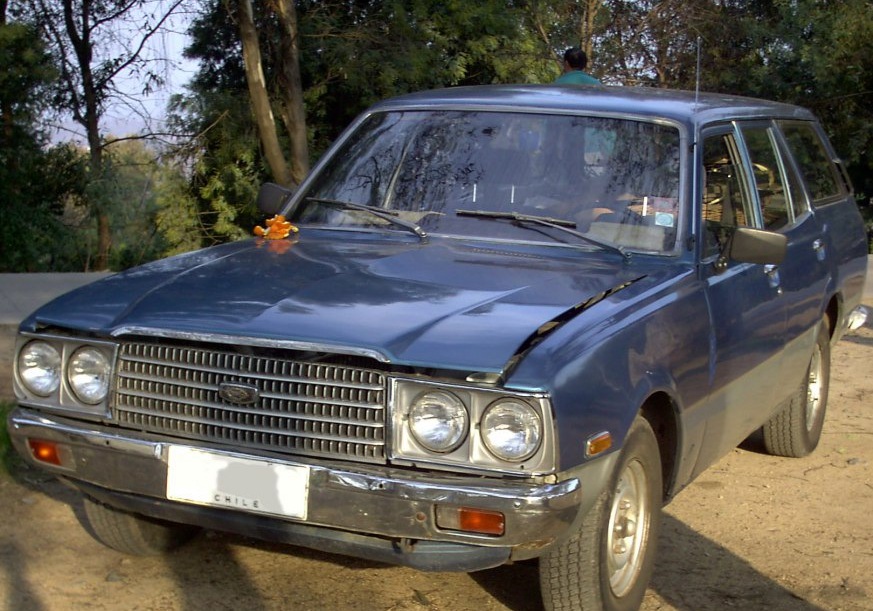
The Toyota Carina Wagon (TA4K), specifically the 1.6-liter (TA60LG) variant producing 75 horsepower, was a practical and family-oriented vehicle produced between 1982 and 1984. Positioned as an entry-level offering within the broader Carina range, this wagon aimed to provide affordable and reliable transportation for families. It represented Toyota’s commitment to offering a diverse lineup, catering to different needs and budgets. The TA4K series was a continuation of the Carina’s evolution, building upon the success of previous generations while incorporating updated styling and features. It was primarily sold in Japan and select export markets, offering a compelling alternative to other compact wagons of the era.
Technical Specifications
| Brand | Toyota |
| Model | Carina |
| Generation | Carina Wagon (TA4K) |
| Type (Engine) | 1.6 (TA60LG) (75 Hp) |
| Start of production | 1982 |
| End of production | 1984 |
| Powertrain Architecture | Internal Combustion engine |
| Body type | Station wagon (estate) |
| Seats | 5 |
| Doors | 5 |
| Fuel Type | Petrol (Gasoline) |
| Power | 75 Hp |
| Engine Model/Code | 2T |
| Engine aspiration | Naturally aspirated engine |
| Engine oil capacity | 3.8 l (4.02 US qt | 3.34 UK qt) |
| Coolant capacity | 7.5 l (7.93 US qt | 6.6 UK qt) |
Powertrain & Engine Architecture
The heart of the TA4K 1.6 was the 2T engine, a 1.6-liter inline-four cylinder gasoline engine. This engine was a relatively simple design, known for its durability and ease of maintenance. It featured a single overhead camshaft (SOHC) valvetrain, operating two valves per cylinder. Fuel delivery was managed by a carburetor, a common feature for vehicles of this era, rather than fuel injection. The carburetor provided adequate fuel atomization for the engine’s modest power output. The 2T engine was not known for its high performance, but it was reliable and fuel-efficient for its time. The engine was typically paired with a three-speed automatic transmission, although a five-speed manual transmission was also available on other Carina Wagon trims. The automatic transmission was geared towards smooth, comfortable driving rather than sporty acceleration.
Driving Characteristics
The 75 horsepower output of the 1.6-liter engine, coupled with the three-speed automatic transmission, resulted in a driving experience focused on practicality and ease of use. Acceleration was modest, and the vehicle was not designed for quick sprints. However, it provided sufficient power for everyday driving, including commuting and highway cruising. The automatic transmission offered smooth gear changes, making it a comfortable choice for drivers who preferred not to shift gears manually. Compared to the manual transmission versions, the automatic offered less driver engagement but greater convenience. Compared to larger-engined Carina models, the 1.6L felt noticeably slower, particularly when fully loaded with passengers and cargo. The gear ratios in the automatic transmission were optimized for fuel economy and relaxed cruising, rather than maximizing performance.
Equipment & Trim Levels
The TA4K 1.6 Wagon, as the entry-level trim, typically came with a fairly basic level of equipment. Standard features generally included cloth upholstery, a simple dashboard layout with analog gauges, and basic exterior trim. Power steering was not always standard, and air conditioning was often an optional extra. The interior was designed for functionality and durability, with hard-wearing materials used throughout. Optional extras could include upgraded audio systems, tinted windows, and more comfortable seating. The trim level was designed to appeal to budget-conscious buyers who prioritized practicality and reliability over luxury features. The overall aesthetic was typical of early 1980s Japanese automotive design – functional and understated.
Chassis & Braking
The Carina Wagon (TA4K) utilized a conventional chassis layout with independent front suspension and a solid rear axle. The front suspension employed MacPherson struts, providing a comfortable ride and reasonable handling. The rear suspension, while simpler, was robust and capable of handling a reasonable load. Braking was typically accomplished with disc brakes on the front wheels and drum brakes on the rear wheels. This configuration was common for vehicles in this price range during the early 1980s. Steering was typically unassisted, requiring a bit more effort at low speeds. Stabilizer bars were often omitted on the base model to keep costs down, resulting in slightly more body roll during cornering. The chassis was designed to provide a comfortable and stable ride, prioritizing practicality over sporty handling.
Market Reception & Comparison
The Toyota Carina Wagon (TA4K) 1.6 was generally well-received in its target markets. Critics praised its reliability, fuel efficiency, and spacious interior. However, the 75 horsepower engine was often criticized for being underpowered, particularly when the vehicle was fully loaded. Compared to other wagons in its class, such as the Nissan Sunny Wagon or the Mitsubishi Mirage Wagon, the Carina offered a good balance of features and affordability. The 1.6-liter engine provided adequate fuel economy, but it lagged behind some of the more modern, fuel-injected engines offered by competitors. The automatic transmission was appreciated for its smoothness, but it did detract from overall performance. The Carina Wagon’s reputation for reliability helped it maintain a strong resale value.
Legacy
The Toyota Carina Wagon (TA4K) 1.6, while not a particularly high-performance vehicle, holds a significant place in Toyota’s history as a practical and reliable family wagon. The 2T engine, while simple, proved to be remarkably durable, and many examples are still on the road today. The automatic transmission, while not the most advanced, provided years of trouble-free service for many owners. In the used car market, these wagons are often sought after by enthusiasts who appreciate their simplicity and reliability. Parts availability can be a challenge, but many components are still available through aftermarket suppliers. The TA4K 1.6 represents a bygone era of automotive engineering, where practicality and durability were prioritized over outright performance and luxury. It remains a testament to Toyota’s commitment to building quality vehicles that stand the test of time.