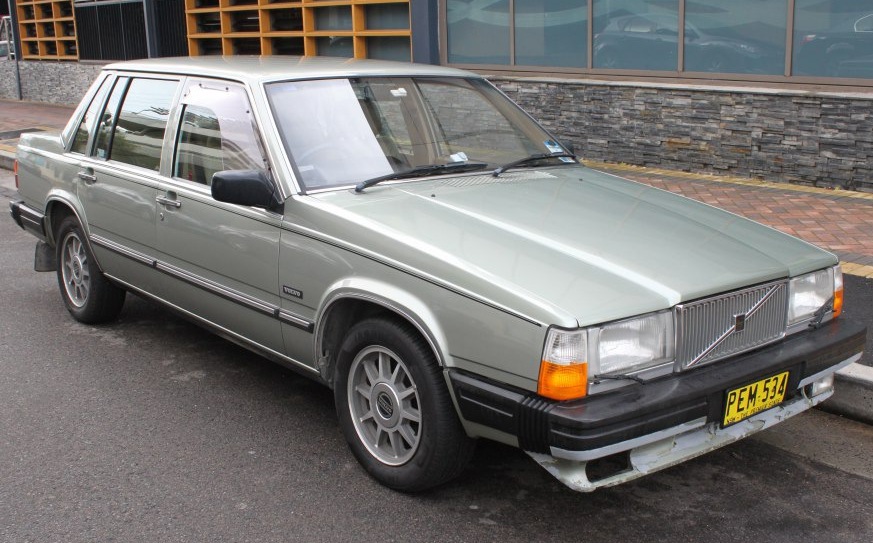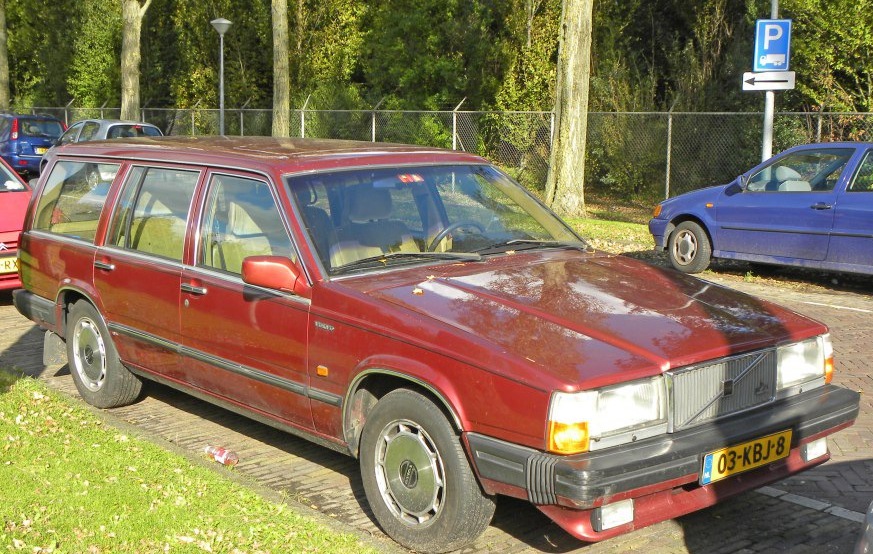
The Volvo 760 Kombi 2.8 (765), produced between 1985 and 1988, represents a significant offering in Volvo’s lineup during that period. Part of the 700/900 series, the 760 Kombi was Volvo’s answer to the growing demand for practical, yet stylish, station wagons. It was built on the 760 platform (chassis codes 704 and 765) and positioned as a more upscale and powerful alternative to the base 740 models. This variant, specifically the 2.8-liter (765) with 156 horsepower, aimed to provide a blend of family practicality, comfortable cruising, and a touch of Scandinavian luxury. It was primarily sold in Europe, though limited numbers found their way to North America, often appealing to buyers seeking a durable and safe vehicle.
Technical Specifications
| Brand | Volvo |
| Model | 760 |
| Generation | 760 Kombi (704,765) |
| Type (Engine) | 2.8 (765) (156 Hp) |
| Start of production | 1985 |
| End of production | 1988 |
| Powertrain Architecture | Internal Combustion engine |
| Body type | Station wagon (estate) |
| Seats | 5 |
| Doors | 5 |
| Fuel Type | Petrol (Gasoline) |
| Power | 156 Hp |
| Engine Model/Code | B28E |
| Engine aspiration | Naturally aspirated engine |
| Engine oil capacity | 6 l (6.34 US qt | 5.28 UK qt) |
| Coolant capacity | 9.3 l (9.83 US qt | 8.18 UK qt) |
| Fuel tank capacity | 60 l (15.85 US gal | 13.2 UK gal) |
Powertrain & Engine Architecture
The heart of the 760 Kombi 2.8 (765) is the B28E engine, a 2.8-liter inline-six cylinder gasoline engine. This engine is a robust and overbuilt unit, known for its longevity and relatively simple design. It features a cast iron block and an aluminum cylinder head, contributing to its durability. The B28E utilizes Bosch K-Jetronic fuel injection, a mechanical system known for its reliability, though it can be more complex to diagnose than later electronic systems. The engine employs a single overhead camshaft (SOHC) valvetrain, operating two valves per cylinder. While not a high-revving engine, the B28E delivers a broad torque curve, making it well-suited for hauling passengers and cargo. The 765 variant was typically paired with a four-speed automatic transmission, designed to provide smooth and comfortable shifts. This transmission, while not particularly sporty, was known for its durability and ability to handle the engine’s torque.
Driving Characteristics
The 760 Kombi 2.8 (765) with the automatic transmission offers a comfortable and relaxed driving experience. Acceleration is adequate, with the 156 horsepower providing sufficient power for highway cruising and everyday driving. However, it’s not a particularly quick vehicle; the automatic transmission and relatively heavy weight of the wagon contribute to a 0-60 mph time in the neighborhood of 10-11 seconds. The automatic transmission’s gear ratios are geared towards fuel efficiency and smooth operation rather than outright performance. Compared to the manual transmission versions of the 760, the automatic sacrifices some responsiveness. The engine’s torque, however, makes it capable of handling a fully loaded vehicle without feeling strained. Steering is relatively light and precise, and the suspension provides a comfortable ride, absorbing bumps and imperfections in the road well.
Equipment & Trim Levels
The 760 Kombi 2.8 (765) was generally well-equipped for its time, reflecting Volvo’s commitment to safety and comfort. Standard features typically included power steering, power brakes, and a comfortable interior with cloth upholstery. Higher trim levels offered options such as leather upholstery, sunroof, power windows, and a premium sound system. The dashboard layout is functional and straightforward, with clearly marked gauges and controls. The 760 Kombi also featured Volvo’s renowned safety features, including a reinforced passenger safety cage, three-point seatbelts for all occupants, and a collapsible steering column. The interior space is generous, offering ample headroom and legroom for both front and rear passengers. The rear cargo area is particularly spacious, making it ideal for families and those who frequently transport large items.
Chassis & Braking
The 760 Kombi utilizes a traditional body-on-frame construction, contributing to its robust feel and durability. The suspension consists of independent front suspension with MacPherson struts and a solid rear axle with leaf springs. This setup provides a comfortable ride, but it’s not particularly sporty. Braking duties are handled by disc brakes on the front wheels and drum brakes on the rear wheels. While adequate for normal driving conditions, the rear drum brakes are a point of criticism compared to the all-disc brake setups found on some other models. The steering system is a recirculating ball system, providing a stable and predictable feel. Stabilizer bars are fitted to both the front and rear axles to reduce body roll during cornering.
Market Reception & Comparison
The Volvo 760 Kombi 2.8 (765) was generally well-received by critics and buyers alike. It was praised for its practicality, safety, and comfortable ride. However, some critics noted its relatively high price compared to other station wagons in its class. Compared to the lower-powered 740 models, the 760 offered a significant performance upgrade, making it a more enjoyable vehicle to drive, especially on long journeys. Compared to the turbocharged 760 models, the 2.8-liter version offered a more relaxed and predictable driving experience, with less emphasis on outright performance. Fuel economy was reasonable for the time, averaging around 18-22 mpg in mixed driving conditions. Reliability was generally excellent, with the B28E engine proving to be a very durable unit.
Legacy
The Volvo 760 Kombi 2.8 (765) has developed a loyal following among enthusiasts and classic car collectors. Its robust construction, simple mechanicals, and comfortable ride make it a desirable vehicle for those seeking a durable and practical classic. The B28E engine is known for its longevity, and many examples are still on the road today with relatively high mileage. Parts availability is generally good, although some specific trim pieces can be difficult to find. In the used car market, well-maintained examples of the 760 Kombi 2.8 (765) command a premium price, reflecting their rarity and desirability. The 760 Kombi represents a high point in Volvo’s station wagon heritage, combining practicality, safety, and Scandinavian design in a compelling package.