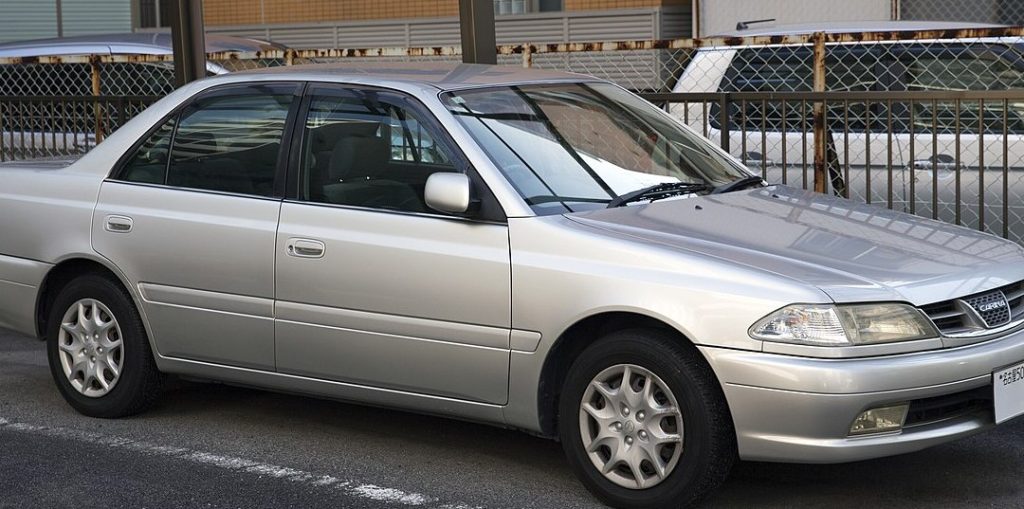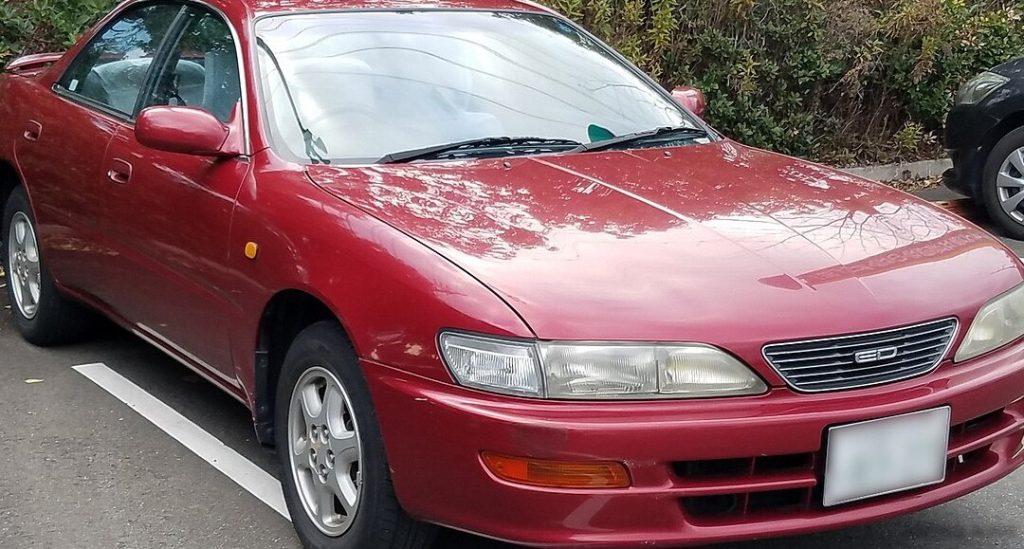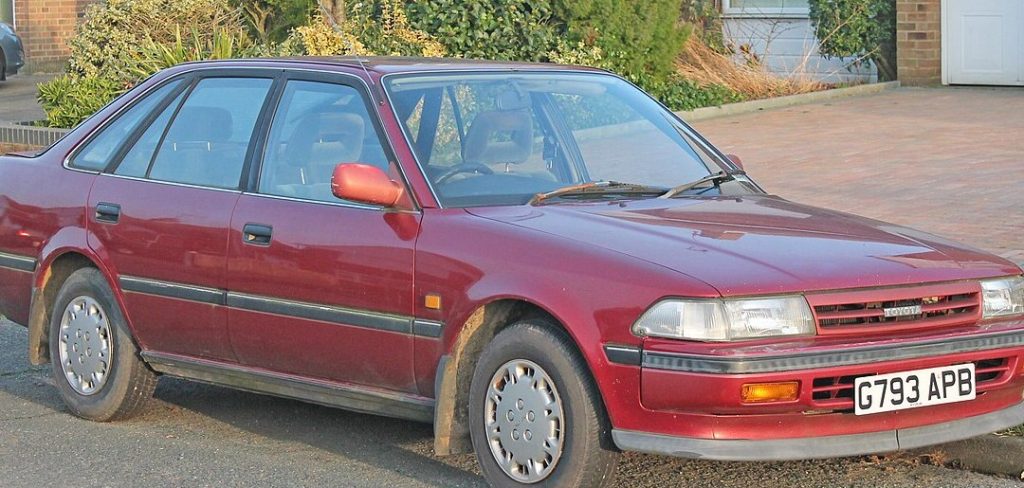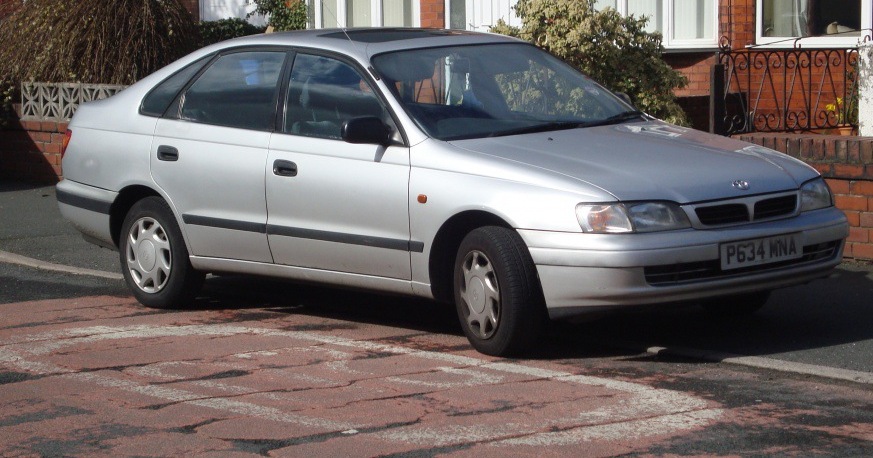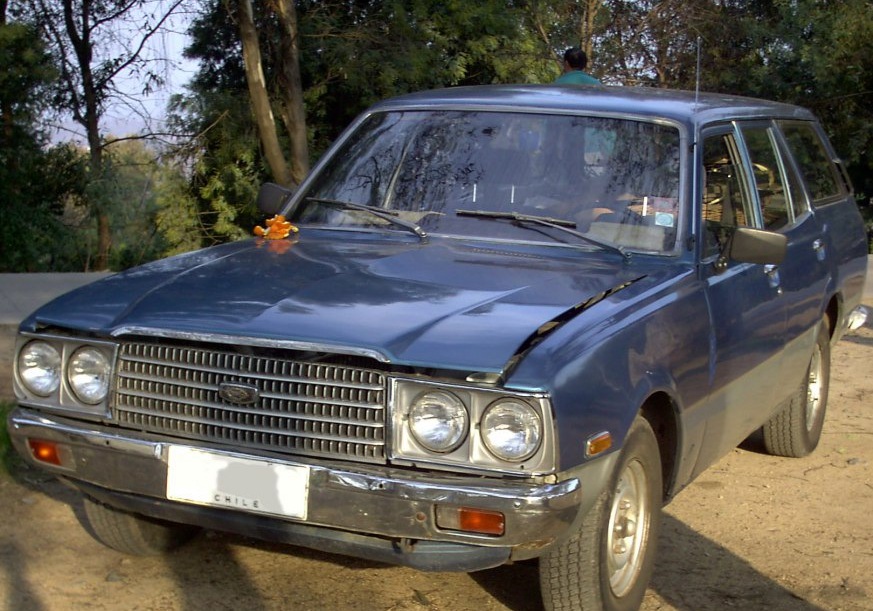
The Toyota Carina Wagon (TA4K) 1.8, produced between 1982 and 1984, represented Toyota’s entry into the increasingly popular European-style station wagon market. Part of the broader Carina line, the TA4K wagon offered a practical and relatively affordable family vehicle, primarily aimed at buyers seeking space and economy. It was positioned as a sensible alternative to larger, more expensive wagons, and competed with models like the Ford Sierra Estate and Vauxhall Astra Estate in the UK and European markets. While Toyota was gaining recognition for reliability, the Carina Wagon wasn’t a high-volume seller in the US, as Toyota’s focus remained on smaller cars and trucks during this period. The TA4K chassis code designates this specific wagon body style within the Carina family.
Technical Specifications
| Brand | Toyota |
| Model | Carina |
| Generation | Carina Wagon (TA4K) |
| Type (Engine) | 1.8 (78 Hp) |
| Start of production | 1982 |
| End of production | 1984 |
| Powertrain Architecture | Internal Combustion Engine |
| Body type | Station wagon (estate) |
| Seats | 5 |
| Doors | 5 |
| Fuel Type | Petrol (Gasoline) |
| Power | 78 Hp |
| Engine Model/Code | 3T |
| Engine aspiration | Naturally aspirated |
| Engine oil capacity | 3.8 l (4.02 US qt | 3.34 UK qt) |
| Coolant capacity | 7.5 l (7.93 US qt | 6.6 UK qt) |
Powertrain & Engine Architecture
The Carina Wagon 1.8 was powered by Toyota’s 3T engine, a 1.8-liter (1762 cc) inline-four cylinder gasoline engine. This engine was a relatively simple design, featuring a single overhead camshaft (SOHC) and two valves per cylinder. The 3T engine was known for its durability and ease of maintenance, though it wasn’t particularly powerful. Fuel delivery was managed by a carburetor, a common feature for vehicles of this era, rather than fuel injection. This carburetor setup contributed to the engine’s relatively modest power output of 78 horsepower. The engine’s block was cast iron, providing robustness, while the cylinder head was aluminum, helping to reduce weight. The transmission paired with the 3T engine in the Carina Wagon was typically a three-speed automatic, designed for smooth, if not particularly sporty, operation. The automatic transmission was chosen to appeal to buyers prioritizing convenience over performance.
Driving Characteristics
The 1.8-liter engine and three-speed automatic transmission combination in the Carina Wagon resulted in a driving experience focused on practicality and fuel economy rather than outright performance. Acceleration was modest, and the car wasn’t designed for quick overtaking maneuvers. The automatic transmission’s gear ratios were optimized for comfortable cruising and reasonable fuel consumption. The transmission lacked overdrive, which meant engine speeds were higher at highway speeds compared to more modern vehicles. The steering was light and easy, making the car maneuverable in urban environments. The suspension, while not particularly sophisticated, provided a reasonably comfortable ride, absorbing bumps and imperfections in the road surface adequately. Compared to a manual transmission equipped Carina, the automatic version felt noticeably slower, particularly during acceleration. Higher-spec Carina models with larger engines (like the 2.0-liter) offered significantly more power and a more engaging driving experience, but at a higher price point.
Equipment & Trim Levels
The Carina Wagon 1.8 was generally offered with a fairly basic level of equipment, reflecting its position as an entry-level or mid-range model. Standard features typically included cloth upholstery, a basic AM/FM radio, and manual windows and door locks. The dashboard was functional and straightforward in its design, with clearly labeled controls. Optional extras could include a cassette player, upgraded upholstery, and a sunroof. Trim levels varied depending on the market, but generally, the 1.8-liter model represented the base level of wagon availability. The interior space was a key selling point, offering ample room for passengers and cargo. The rear seats could be folded down to create a larger cargo area, enhancing the wagon’s practicality.
Chassis & Braking
The Carina Wagon (TA4K) utilized a conventional rear-wheel-drive layout. The suspension consisted of independent front suspension with MacPherson struts and a live axle with leaf springs at the rear. This setup provided a balance between ride comfort and load-carrying capacity. Braking was typically accomplished with disc brakes on the front wheels and drum brakes on the rear wheels. The braking system was adequate for the car’s weight and performance, but lacked the stopping power of more modern braking systems. Stabilizer bars were fitted to both the front and rear suspension to reduce body roll during cornering. The chassis was relatively lightweight, contributing to the car’s fuel efficiency. The steering system was a recirculating ball type, providing a relatively indirect steering feel.
Market Reception & Comparison
The Toyota Carina Wagon 1.8 received generally positive reviews for its practicality, reliability, and fuel economy. Critics noted that the engine was underpowered, particularly when paired with the automatic transmission, but acknowledged that this was typical for cars in this class at the time. Compared to other wagons in its segment, the Carina Wagon offered a competitive level of space and comfort. Fuel economy was a strong point, with the 1.8-liter engine returning reasonable mileage for a vehicle of its size. Reliability was also a key strength, as Toyota had already established a reputation for building durable and dependable cars. However, the Carina Wagon didn’t achieve the same level of popularity as some of its competitors, such as the Ford Sierra Estate, which offered a wider range of engine options and a more sporty driving experience. The automatic transmission, while convenient, was often criticized for its sluggish performance.
Legacy
The Toyota Carina Wagon (TA4K) 1.8, while not a groundbreaking vehicle, represents an important step in Toyota’s expansion into the European market. The 3T engine proved to be remarkably durable, and many examples are still on the road today, albeit often requiring regular maintenance. The car’s simple design and robust construction contribute to its longevity. In the used car market, the Carina Wagon 1.8 is often sought after by enthusiasts looking for a classic Japanese car that is relatively affordable and easy to maintain. Parts availability can be a challenge, but many components are still available through specialist suppliers. The automatic transmission, while not particularly desirable for performance enthusiasts, remains a reliable unit when properly maintained. The Carina Wagon’s legacy lies in its practicality, reliability, and its contribution to Toyota’s growing reputation as a manufacturer of quality automobiles.