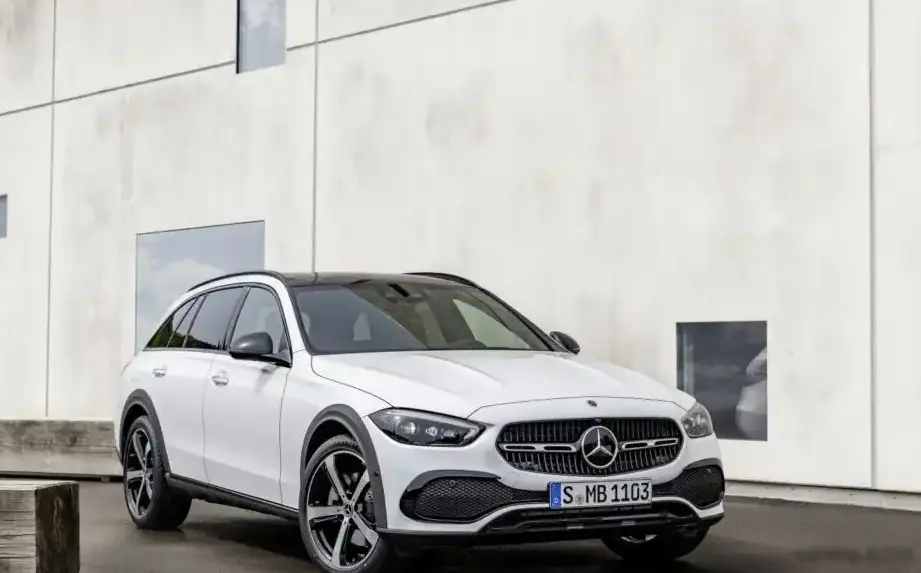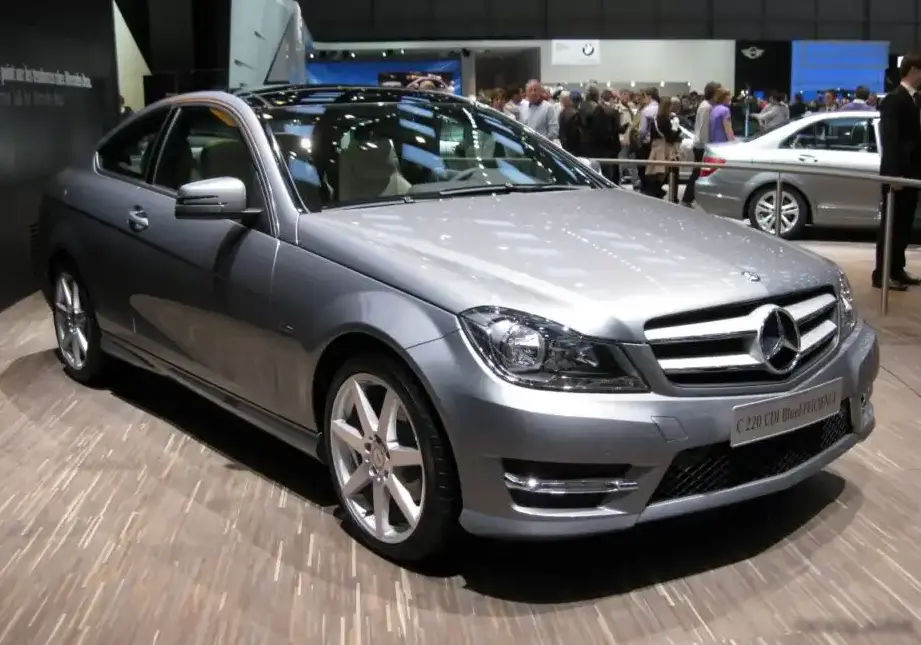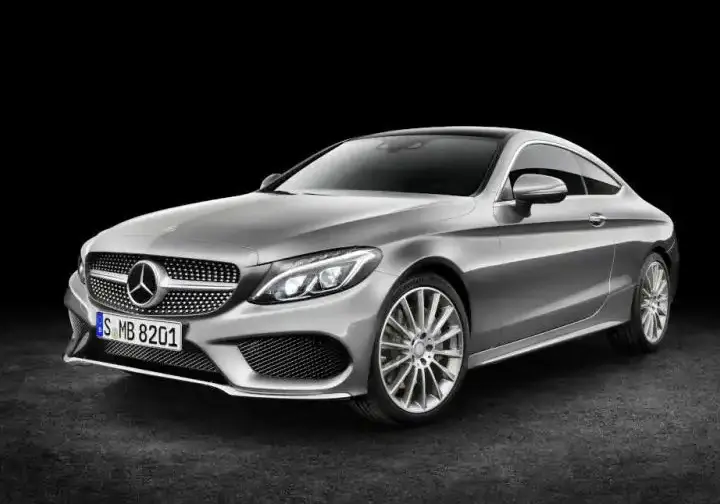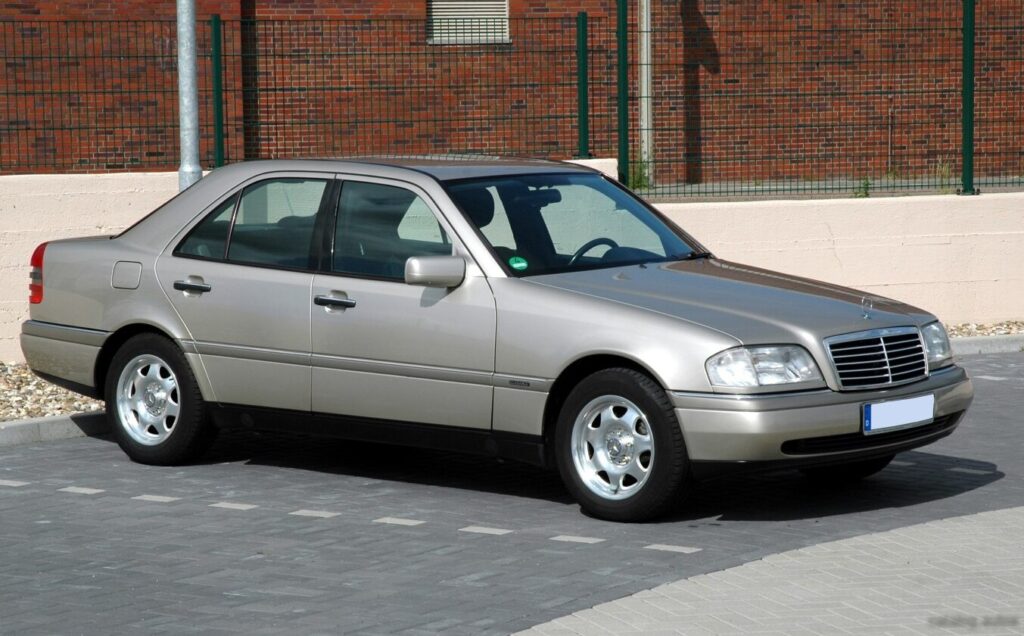
The Mercedes-Benz C 36 AMG, produced between September 1993 and July 1996, was the first high-performance variant of the W202 C-Class. Developed by AMG, then an independent tuning house, in collaboration with Mercedes-Benz, the C 36 represented a significant step in bringing AMG performance closer to the mainstream. It served as a precursor to the fully integrated AMG models that would follow, establishing a new benchmark for performance sedans in its class. The C 36 was exclusively offered as a four-door sedan and played a crucial role in building the AMG brand’s reputation for engineering excellence and potent performance.
Technical Specifications
| Brand | Mercedes-Benz |
| Model | C-class |
| Generation | C-class (W202) |
| Type | AMG C 36 (280 Hp) 4G-TRONIC |
| Start of production | September, 1993 |
| End of production | July, 1996 |
| Powertrain Architecture | Internal Combustion engine |
| Body type | Sedan |
| Seats | 5 |
| Doors | 4 |
| Fuel consumption (urban) | 13.6 l/100 km (17.3 US mpg) |
| Fuel consumption (extra urban) | 8.5 l/100 km (27.7 US mpg) |
| Fuel Type | Petrol (Gasoline) |
| Acceleration 0 – 100 km/h | 6.7 sec |
| Acceleration 0 – 62 mph | 6.7 sec |
| Acceleration 0 – 60 mph | 6.4 sec |
| Maximum speed | 250 km/h (155.34 mph) – Electronically limited |
| Emission standard | Euro 1 |
| Weight-to-power ratio | 5.6 kg/Hp |
| Weight-to-torque ratio | 4.1 kg/Nm |
| Power | 280 Hp @ 5750 rpm |
| Power per litre | 77.6 Hp/l |
| Torque | 385 Nm @ 4000-4750 rpm (283.96 lb.-ft.) |
| Engine layout | Front, Longitudinal |
| Engine Model/Code | M 104 E 36 AMG / 104.9936 |
| Engine displacement | 3606 cm3 (220.05 cu. in.) |
| Number of cylinders | 6 |
| Engine configuration | Inline |
| Cylinder Bore | 91 mm (3.58 in.) |
| Piston Stroke | 92.4 mm (3.64 in.) |
| Compression ratio | 10.5:1 |
| Number of valves per cylinder | 4 |
| Fuel injection system | Multi-port manifold injection |
| Engine aspiration | Naturally aspirated engine |
| Valvetrain | DOHC |
| Kerb Weight | 1560 kg (3439.21 lbs.) |
| Max. weight | 1970 kg (4343.11 lbs.) |
| Max load | 410 kg (903.9 lbs.) |
| Trunk (boot) space | 430 l (15.19 cu. ft.) |
| Fuel tank capacity | 62 l (16.38 US gal) |
| Length | 4487 mm (176.65 in.) |
| Width | 1720 mm (67.72 in.) |
| Height | 1385 mm (54.53 in.) |
| Wheelbase | 2690 mm (105.91 in.) |
| Front track | 1497 mm (58.94 in.) |
| Rear track | 1478 mm (58.19 in.) |
| Drag coefficient (Cd) | 0.32 |
| Minimum turning circle | 10.74 m (35.24 ft.) |
| Drivetrain Architecture | Rear wheel drive |
| Number of gears | 4 |
| Gearbox type | Automatic transmission G-TRONIC |
| Front suspension | Double wishbone, Transverse stabilizer |
| Rear suspension | Independent multi-link spring suspension with stabilizer |
| Front brakes | Ventilated discs |
| Rear brakes | Ventilated discs |
| Assisting systems | ABS (Anti-lock braking system) |
| Steering type | Cone worm with recirculation balls |
| Power steering | Hydraulic Steering |
| Front tires | 225/45 R17 |
| Rear tires | 245/40 R17 |
| Front wheel rims | 7.5J x 17 |
| Rear wheel rims | 8.5J x 17 |
Powertrain & Engine Architecture
The heart of the C 36 AMG is the M 104 E 36, a 3.6-liter inline-six engine. This engine was based on Mercedes-Benz’s existing M104 engine family, but significantly modified by AMG. Key changes included a larger displacement achieved through a longer stroke, high-flow cylinder heads, and a revised intake and exhaust system. The engine utilized multi-port fuel injection and a dual overhead camshaft (DOHC) valvetrain. The engine code 104.9936 specifically identifies this AMG-tuned variant. The engine produced 280 horsepower at 5,750 rpm and 385 Nm (284 lb-ft) of torque between 4,000 and 4,750 rpm. Power was delivered to the rear wheels through a four-speed 4G-TRONIC automatic transmission, a robust unit designed to handle the increased output. While a manual transmission was not offered, the 4G-TRONIC was recalibrated for quicker shifts and a more responsive feel.
Driving Characteristics
The C 36 AMG offered a noticeable performance upgrade over the standard C-Class models. Acceleration from 0 to 60 mph took approximately 6.4 seconds, and the car was electronically limited to a top speed of 155 mph. The automatic transmission, while not as engaging as a manual, provided smooth and relatively quick shifts. The increased power and torque were readily available, making for effortless cruising and strong acceleration in most driving situations. Compared to the later C 43 AMG, which featured a V8 engine, the C 36 offered a more balanced feel due to its lighter inline-six configuration. However, the V8 provided a more substantial power increase and a different character. The C 36’s inline-six was known for its smooth operation and distinctive sound.
Equipment & Trim Levels
The C 36 AMG was relatively well-equipped, though options were available to further enhance the luxury and performance. Standard features included sport seats, a leather-wrapped steering wheel, and unique AMG badging both inside and out. Exterior styling cues included a more aggressive front spoiler, side skirts, and a rear spoiler. Interior trim typically featured wood accents and a dark color scheme. Optional extras included a sunroof, upgraded audio system, and automatic climate control. The C 36 wasn’t offered in multiple trim levels; it represented a single, high-performance specification within the W202 range.
Chassis & Braking
The C 36 AMG featured a modified chassis and suspension to handle the increased power and improve handling. The suspension utilized stiffer springs and dampers, along with a thicker stabilizer bar, to reduce body roll and enhance cornering stability. Brakes were upgraded to ventilated discs on all four wheels, providing improved stopping power. The steering was a recirculating ball system with hydraulic power assistance. The tires were also upgraded to wider, lower-profile tires (225/45 R17 front, 245/40 R17 rear) mounted on larger alloy wheels (7.5J x 17 front, 8.5J x 17 rear) to improve grip and handling.
Market Reception & Comparison
The C 36 AMG was generally well-received by automotive critics. It was praised for its performance, handling, and relatively understated styling. Compared to its rivals, such as the BMW M3 and Audi S2, the C 36 offered a different character – more focused on comfortable performance than outright track prowess. Fuel economy was understandably lower than the standard C-Class models, averaging around 13.6 l/100 km (17.3 US mpg) in urban driving and 8.5 l/100 km (27.7 US mpg) on the highway. Reliability was generally good, though maintenance costs were higher due to the specialized AMG components.
Legacy
The C 36 AMG holds a significant place in Mercedes-Benz history as the first official AMG-tuned C-Class. It paved the way for the more powerful and sophisticated AMG models that followed. Today, the C 36 is a sought-after classic car, appreciated by enthusiasts for its rarity, performance, and historical significance. Well-maintained examples are becoming increasingly valuable. While the powertrain is generally reliable, age-related issues such as worn suspension components and potential oil leaks are common. Finding original parts can sometimes be challenging, but a dedicated community of owners and specialists exists to support the preservation of these early AMG models.