
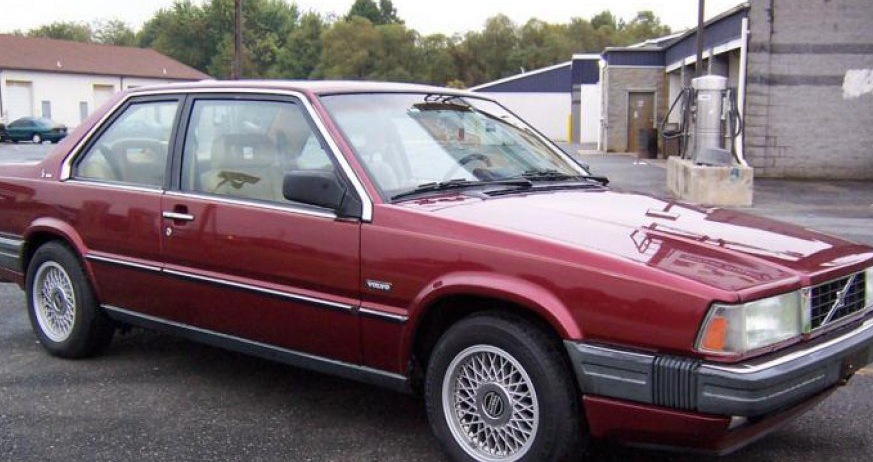
The Volvo 780 Bertone, produced between 1987 and 1990, represents a unique chapter in Volvo’s history. This two-door coupe was the result of a collaboration between Volvo and the Italian design house Bertone, aiming to create a stylish and luxurious grand tourer. The 2.8 V6 Automatic variant, powered by the B280F engine, occupied the top position in the 780 lineup, offering a blend of performance and comfort. It was primarily marketed towards buyers seeking a sophisticated alternative to more mainstream European coupes, particularly in markets where Volvo sought to elevate its brand image. The 780 was never a high-volume seller, contributing to its current status as a sought-after classic.
Technical Specifications
| Brand | Volvo |
| Model | 780 Bertone |
| Generation | 780 Bertone |
| Type (Engine) | 2.8 V6 (147 Hp) Automatic |
| Start of production | 1987 |
| End of production | 1990 |
| Powertrain Architecture | Internal Combustion engine |
| Body type | Coupe |
| Seats | 4 |
| Doors | 2 |
| Fuel Type | Petrol (Gasoline) |
| Weight-to-power ratio | 10.8 kg/Hp, 92.9 Hp/tonne |
| Weight-to-torque ratio | 6.7 kg/Nm, 148.5 Nm/tonne |
| Power | 147 Hp @ 5100 rpm |
| Power per litre | 51.6 Hp/l |
| Torque | 235 Nm @ 3750 rpm (173.33 lb.-ft. @ 3750 rpm) |
| Engine Model/Code | B280F |
| Engine displacement | 2850 cm3 (173.92 cu. in.) |
| Number of cylinders | 6 |
| Engine configuration | V-engine |
| Cylinder Bore | 91 mm (3.58 in.) |
| Piston Stroke | 73 mm (2.87 in.) |
| Compression ratio | 9.5:1 |
| Engine aspiration | Naturally aspirated engine |
| Valvetrain | OHV |
| Engine oil capacity | 6 l (6.34 US qt | 5.28 UK qt) |
| Coolant | 9.5 l (10.04 US qt | 8.36 UK qt) |
| Kerb Weight | 1582 kg (3487.71 lbs.) |
| Max. weight | 1878 kg (4140.28 lbs.) |
| Max load | 296 kg (652.57 lbs.) |
| Trunk (boot) space – maximum | 487 l (17.2 cu. ft.) |
| Fuel tank capacity | 60 l (15.85 US gal | 13.2 UK gal) |
| Max. roof load | 100 kg (220.46 lbs.) |
| Permitted trailer load with brakes (12%) | 899 kg (1981.96 lbs.) |
| Length | 4790 mm (188.58 in.) |
| Width | 1750 mm (68.9 in.) |
| Height | 1400 mm (55.12 in.) |
| Wheelbase | 2769 mm (109.02 in.) |
| Front track | 1471 mm (57.91 in.) |
| Rear (Back) track | 1461 mm (57.52 in.) |
| Minimum turning circle (turning diameter) | 9.9 m (32.48 ft.) |
| Drivetrain Architecture | The Internal combustion engine (ICE) drives the rear wheels of the vehicle. |
| Drive wheel | Rear wheel drive |
| Number of gears and type of gearbox | 4 gears, automatic transmission |
| Front suspension | Independent, type McPherson with coil spring and anti-roll bar |
| Rear suspension | Independent multi-link suspension, Coil spring |
| Front brakes | Ventilated discs |
| Rear brakes | Disc |
| Steering type | Steering rack and pinion |
| Tires size | 205/60 R15 |
| Wheel rims size | 6J x 15 |
Powertrain & Engine Architecture
The heart of the 780 Bertone 2.8 V6 Automatic is the B280F engine, a 2.8-liter (2850 cc) naturally aspirated V6. This engine, derived from Volvo’s PRV V6 family (developed jointly with Peugeot and Renault), features an overhead valve (OHV) valvetrain. The B280F utilized Bosch K-Jetronic fuel injection, a mechanical system known for its reliability but less precise than later electronic systems. The engine produced 147 horsepower at 5100 rpm and 235 Nm (173.33 lb-ft) of torque at 3750 rpm. The automatic transmission was a four-speed unit, providing smooth but not particularly sporty shifts. This transmission was chosen to complement the grand touring nature of the vehicle, prioritizing comfort over outright performance.
Driving Characteristics
The 780 Bertone 2.8 V6 Automatic offered a comfortable and refined driving experience. While not a sports car, the V6 engine provided adequate power for relaxed cruising and overtaking. The automatic transmission, while smooth, did detract somewhat from the driving experience compared to the five-speed manual option available on other 780 models. The automatic’s gear ratios were geared towards fuel efficiency and ease of driving rather than maximizing acceleration. Acceleration from 0 to 60 mph was estimated to be around 9.5 seconds, which was respectable for the late 1980s but slower than the manual version. The rear-wheel-drive configuration provided balanced handling, although the car’s weight (approximately 3488 lbs) was noticeable in corners.
Equipment & Trim Levels
The 780 Bertone was well-equipped for its time, even in its base form. Standard features on the 2.8 V6 Automatic included leather upholstery, power windows, power locks, and a premium sound system. Air conditioning was also standard. Optional extras included a sunroof, heated seats, and upgraded audio systems. The interior design was characterized by a clean, Scandinavian aesthetic, with a focus on functionality and comfort. The dashboard layout was straightforward and easy to use, with all essential controls within easy reach of the driver.
Chassis & Braking
The 780 Bertone featured an independent suspension system all around, with McPherson struts at the front and a multi-link setup at the rear. This suspension configuration provided a comfortable ride and good handling characteristics. The car was equipped with ventilated disc brakes at the front and solid discs at the rear, providing adequate stopping power for its weight and performance. The steering was a rack-and-pinion system, offering precise and responsive steering feel. The 780’s chassis was designed to provide a balance between comfort and handling, making it a capable grand tourer.
Market Reception & Comparison
The Volvo 780 Bertone was generally well-received by automotive critics, who praised its stylish design, comfortable interior, and refined driving experience. However, its relatively high price and limited availability hampered its sales success. Compared to other trims in the 780 lineup, the 2.8 V6 Automatic was positioned as the premium offering, appealing to buyers who prioritized comfort and convenience over outright performance. The manual transmission versions of the 780 were favored by enthusiasts who appreciated their more engaging driving experience. Fuel economy was average for a V6 engine of that era, around 18-22 mpg in mixed driving. Reliability was generally good, although the K-Jetronic fuel injection system could require occasional maintenance.
Legacy
The Volvo 780 Bertone remains a desirable classic car today, appreciated for its unique design and limited production numbers. The B280F engine, while not known for its high performance, is generally considered to be a reliable and durable powerplant. The automatic transmission, while not the most exciting, has proven to be relatively trouble-free. Well-maintained examples of the 780 Bertone 2.8 V6 Automatic command a premium in the used car market, attracting collectors and enthusiasts who appreciate its blend of style, comfort, and Swedish engineering. Its rarity and distinctive design ensure its place as a memorable and unique vehicle in Volvo’s history.
