
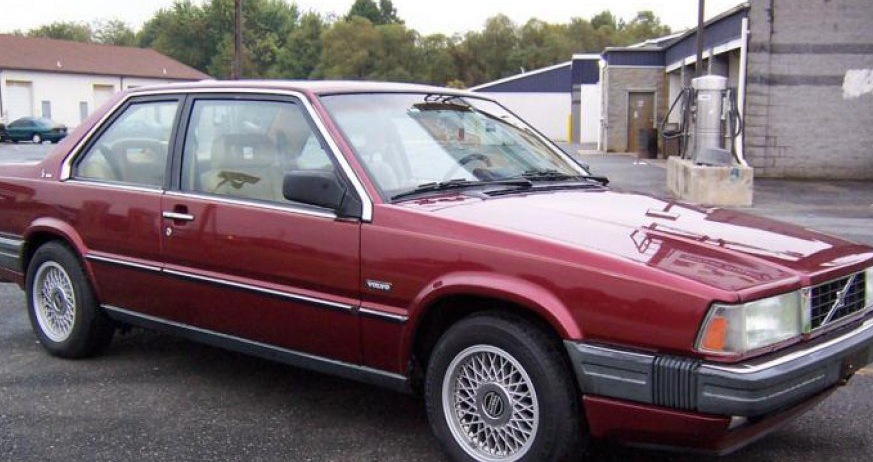
The Volvo 780 Bertone 2.8 V6 Automatic, produced between 1987 and 1990, represents a unique chapter in Volvo’s history. This grand touring coupe was the result of a collaboration between Volvo and the Italian design house Bertone, aiming to create a sophisticated and sporty vehicle that would elevate the Volvo brand. It was positioned as a premium offering, a departure from Volvo’s traditionally practical image, and targeted buyers seeking a blend of Scandinavian safety and Italian style. The 780 Bertone was built on a stretched version of the Volvo 240 platform, offering a more luxurious and refined experience. This specific 2.8 V6 automatic configuration was the top-of-the-line offering for the 780, representing the pinnacle of performance and features available.
Technical Specifications
| Brand | Volvo |
| Model | 780 Bertone |
| Generation | 780 Bertone |
| Type (Engine) | 2.8 V6 (170 Hp) Automatic |
| Start of production | 1987 |
| End of production | 1990 |
| Powertrain Architecture | Internal Combustion engine |
| Body type | Coupe |
| Seats | 4 |
| Doors | 2 |
| Fuel Type | Petrol (Gasoline) |
| Power | 170 Hp @ 5400 rpm |
| Power per litre | 59.7 Hp/l |
| Torque | 240 Nm @ 4500 rpm / 177.01 lb.-ft. @ 4500 rpm |
| Engine Model/Code | B280F |
| Engine displacement | 2849 cm3 / 173.86 cu. in. |
| Number of cylinders | 6 |
| Engine configuration | V-engine |
| Cylinder Bore | 91 mm / 3.58 in. |
| Piston Stroke | 73 mm / 2.87 in. |
| Compression ratio | 10:1 |
| Engine aspiration | Naturally aspirated engine |
| Engine oil capacity | 5.8 l / 6.13 US qt | 5.1 UK qt |
| Max. weight | 1878 kg / 4140.28 lbs |
| Trunk (boot) space – maximum | 487 l / 17.2 cu. ft |
| Fuel tank capacity | 60 l / 15.85 US gal | 13.2 UK gal |
| Length | 4790 mm / 188.58 in |
| Width | 1750 mm / 68.9 in |
| Height | 1400 mm / 55.12 in |
| Wheelbase | 2769 mm / 109.02 in |
| Front track | 1471 mm / 57.91 in |
| Rear (Back) track | 1461 mm / 57.52 in |
| Minimum turning circle (turning diameter) | 9.9 m / 32.48 ft |
| Drivetrain Architecture | The Internal combustion engine (ICE) drives the rear wheels of the vehicle. |
| Drive wheel | Rear wheel drive |
| Number of gears and type of gearbox | 4 gears, automatic transmission |
| Front suspension | Independent, type McPherson with coil spring and anti-roll bar |
| Rear suspension | Independent multi-link suspension, Coil spring |
| Front brakes | Ventilated discs |
| Rear brakes | Disc |
| Steering type | Steering rack and pinion |
| Tires size | 205/60 R15 |
| Wheel rims size | 6J x 15 |
Powertrain & Engine Architecture
The heart of the 780 Bertone 2.8 V6 Automatic is the B280F engine, a 2.8-liter (2849 cc) naturally aspirated V6. This engine, derived from Volvo’s PRV V6 family (developed jointly with Peugeot and Renault), featured a 60-degree V-angle. It utilized a cast iron block and aluminum cylinder heads. Fuel delivery was managed by Bosch K-Jetronic mechanical fuel injection, a system known for its reliability but less precise than later electronic systems. The engine boasted a compression ratio of 10:1 and employed a single overhead camshaft (SOHC) valvetrain per cylinder bank. The B280F produced 170 horsepower at 5400 rpm and 240 Nm (177 lb-ft) of torque at 4500 rpm. This power was then sent to the rear wheels via a four-speed automatic transmission, a Borg-Warner unit known for its smoothness but not its outright speed.
Driving Characteristics
The 780 Bertone 2.8 V6 Automatic offered a comfortable and refined driving experience. While not a sports car in the modern sense, the V6 engine provided adequate power for relaxed cruising and occasional spirited driving. The automatic transmission, while smooth, did detract somewhat from performance, resulting in a 0-60 mph time of around 9-10 seconds. Compared to the five-speed manual version, the automatic felt noticeably slower. The gear ratios were geared towards comfort and fuel economy rather than outright acceleration. The rear-wheel-drive configuration provided a balanced feel, although the car’s weight (approximately 4140 lbs) was noticeable in corners. The suspension, tuned for comfort, absorbed bumps well, but body roll was present during more aggressive maneuvers.
Equipment & Trim Levels
The 780 Bertone was well-equipped for its time, reflecting its premium positioning. Standard features included leather upholstery, power windows, power locks, and a sunroof. Air conditioning was also standard. The interior featured a wood-trimmed dashboard and comfortable, supportive seats. Optional extras included a premium sound system, heated seats, and a limited-slip differential. The 2.8 V6 Automatic was typically the highest trim level, offering all available options as standard or readily available upgrades. The interior was designed with a focus on Scandinavian minimalism, emphasizing functionality and comfort.
Chassis & Braking
The 780 Bertone’s chassis was based on a stretched version of the Volvo 240 platform, providing a solid and durable foundation. The front suspension utilized an independent McPherson strut setup with coil springs and an anti-roll bar. The rear suspension employed an independent multi-link system, also with coil springs. This setup provided a good balance of comfort and handling. Braking duties were handled by ventilated discs at the front and solid discs at the rear. The braking system was adequate for the car’s weight and performance, but lacked the sophistication of more modern systems. Power steering was standard, making the car easy to maneuver at low speeds.
Market Reception & Comparison
The Volvo 780 Bertone received generally positive reviews from automotive critics. It was praised for its stylish design, comfortable interior, and refined driving experience. However, some critics noted its relatively high price and modest performance compared to other grand touring coupes of the era. Compared to the 780’s other engine options (primarily the 2.0-liter four-cylinder), the 2.8 V6 offered a significant performance upgrade, but at the cost of increased fuel consumption. The automatic transmission was often criticized for detracting from the engine’s potential. The 780 Bertone was positioned as a competitor to cars like the BMW 6 Series and the Mercedes-Benz coupe models, but it offered a unique blend of Scandinavian practicality and Italian flair.
Legacy
The Volvo 780 Bertone, while not a commercial success in large numbers (only around 8,518 were produced), has gained a cult following among Volvo enthusiasts. The B280F V6 engine, when properly maintained, is known for its durability and reliability. The automatic transmission, while not the sportiest, is generally reliable as well. Today, well-maintained 780 Bertone 2.8 V6 Automatics are sought after by collectors and enthusiasts, commanding premium prices. The car represents a unique and interesting chapter in Volvo’s history, showcasing the company’s willingness to experiment with new designs and technologies. Its blend of style, comfort, and durability continues to appeal to those seeking a classic grand touring experience.
