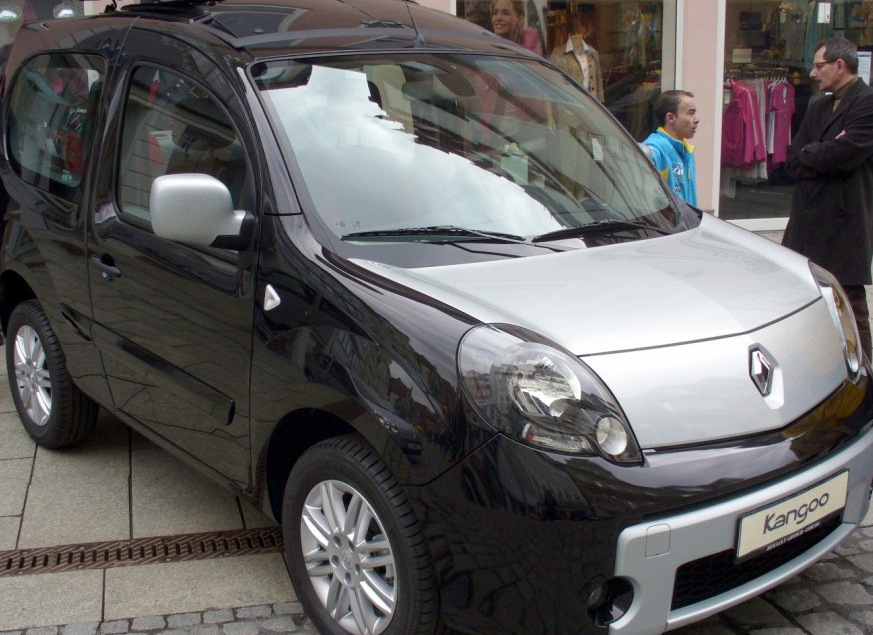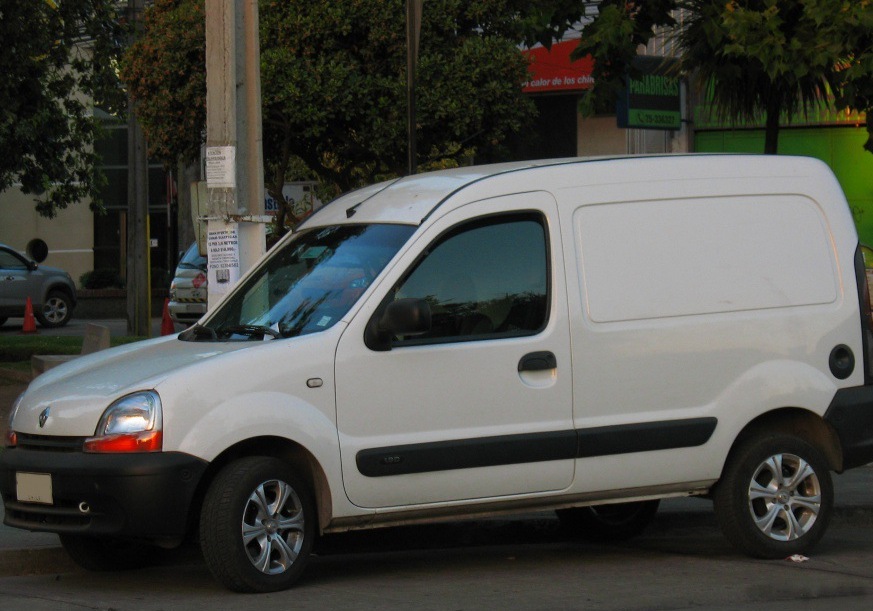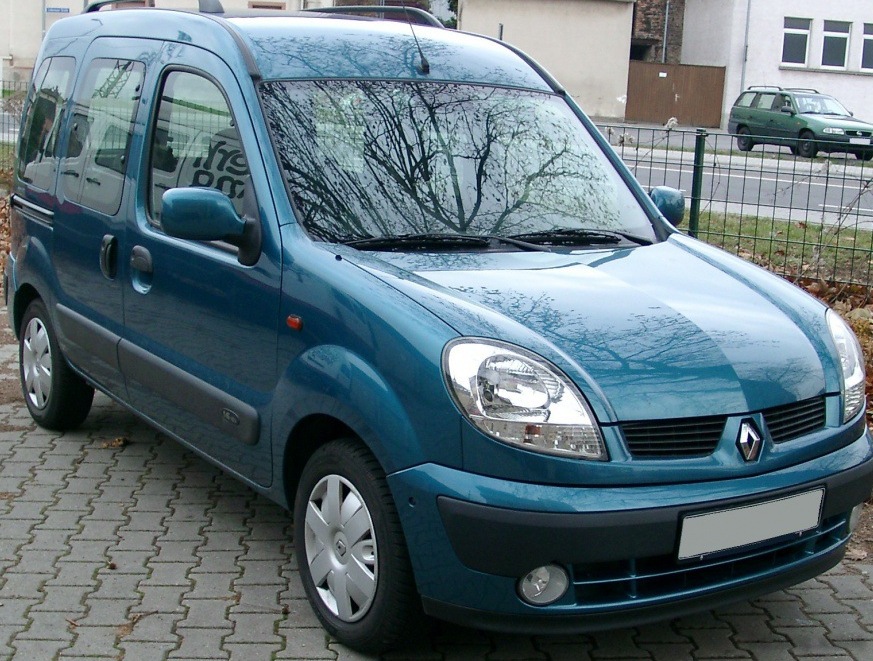
The Renault Kangoo I, specifically the KC facelift model produced between 2003 and 2005 with the 1.2 16V engine producing 75 horsepower, represents an entry-level offering within the first generation Kangoo range. Introduced as a practical and affordable light commercial vehicle and multi-purpose vehicle (MPV), the Kangoo aimed to provide a versatile solution for both businesses and families. The facelifted version, launched in 2003, brought subtle cosmetic updates and refinements to the original design, enhancing its appeal in the European market. This particular variant, with its smaller engine and manual transmission, was positioned as the most economical option in the lineup, prioritizing fuel efficiency and affordability over outright performance.
Technical Specifications
| Brand | Renault |
| Model | Kangoo |
| Generation | Kangoo I (KC, facelift 2003) |
| Type (Engine) | 1.2 16V (75 Hp) |
| Start of production | 2003 |
| End of production | 2005 |
| Powertrain Architecture | Internal Combustion engine |
| Body type | Minivan |
| Seats | 5 |
| Doors | 4/5 |
| Fuel consumption (urban) | 9 l/100 km (26.1 US mpg, 31.4 UK mpg, 11.1 km/l) |
| Fuel consumption (extra urban) | 5.9 l/100 km (39.9 US mpg, 47.9 UK mpg, 16.9 km/l) |
| Fuel consumption (combined) | 7 l/100 km (33.6 US mpg, 40.4 UK mpg, 14.3 km/l) |
| CO2 emissions | 165 g/km |
| Fuel Type | Petrol (Gasoline) |
| Acceleration 0 – 100 km/h | 14.2 sec |
| Acceleration 0 – 62 mph | 14.2 sec |
| Acceleration 0 – 60 mph | 13.5 sec |
| Maximum speed | 154 km/h (95.69 mph) |
| Emission standard | Euro 4 |
| Weight-to-power ratio | 14.8 kg/Hp, 67.6 Hp/tonne |
| Weight-to-torque ratio | 10.6 kg/Nm, 94.6 Nm/tonne |
| Power | 75 Hp @ 5500 rpm |
| Power per litre | 65.3 Hp/l |
| Torque | 105 Nm @ 3500 rpm (77.44 lb.-ft. @ 3500 rpm) |
| Engine layout | Front, Transverse |
| Engine Model/Code | D4F |
| Engine displacement | 1149 cm3 (70.12 cu. in.) |
| Number of cylinders | 4 |
| Engine configuration | Inline |
| Cylinder Bore | 69 mm (2.72 in.) |
| Piston Stroke | 76.8 mm (3.02 in.) |
| Compression ratio | 9.6:1 |
| Number of valves per cylinder | 4 |
| Fuel injection system | Multi-port manifold injection |
| Engine aspiration | Naturally aspirated engine |
| Engine oil capacity | 4 l (4.23 US qt | 3.52 UK qt) |
| Kerb Weight | 1110 kg (2447.13 lbs.) |
| Max. weight | 1570 kg (3461.26 lbs.) |
| Max load | 460 kg (1014.13 lbs.) |
| Trunk (boot) space – minimum | 650 l (22.95 cu. ft.) |
| Trunk (boot) space – maximum | 2600 l (91.82 cu. ft.) |
| Fuel tank capacity | 50 l (13.21 US gal | 11 UK gal) |
| Max. roof load | 100 kg (220.46 lbs.) |
| Permitted trailer load with brakes (12%) | 1150 kg (2535.32 lbs.) |
| Permitted towbar download | 75 kg (165.35 lbs.) |
| Length | 4035 mm (158.86 in.) |
| Width | 1672 mm (65.83 in.) |
| Width including mirrors | 2031 mm (79.96 in.) |
| Height | 1835 mm (72.24 in.) |
| Wheelbase | 2605 mm (102.56 in.) |
| Front track | 1405 mm (55.31 in.) |
| Rear (Back) track | 1410 mm (55.51 in.) |
| Front overhang | 730 mm (28.74 in.) |
| Rear overhang | 700 mm (27.56 in.) |
| Minimum turning circle | 10.79 m (35.4 ft.) |
| Drivetrain | Front wheel drive |
| Number of gears and type of gearbox | 5 gears, manual transmission |
| Front suspension | Independent type McPherson |
| Rear suspension | Coil spring |
| Front brakes | Ventilated discs |
| Rear brakes | Drum |
| Steering type | Steering rack and pinion |
| Tires size | 175/65 R14 |
| Wheel rims size | 5.5J x 14 |
Powertrain & Engine Architecture
The heart of this Kangoo variant is the Renault D4F engine, a 1.2-liter inline-four cylinder petrol engine. This engine utilizes a multi-point fuel injection system, delivering fuel directly into the intake ports. The D4F features a single overhead camshaft (SOHC) design with four valves per cylinder, contributing to reasonable efficiency and power output for its displacement. The 75 horsepower peak is achieved at 5500 rpm, while the 105 Nm (77.44 lb-ft) of torque is available at 3500 rpm. The engine’s relatively simple design prioritized reliability and ease of maintenance. The Kangoo 1.2 16V was exclusively offered with a five-speed manual transmission, designed to maximize fuel economy and provide adequate performance for everyday driving.
Driving Characteristics
The 1.2 16V Kangoo, with its 75 horsepower, offered modest performance. Acceleration from 0 to 60 mph took approximately 13.5 seconds, and the top speed was around 95.69 mph. The engine felt somewhat strained when fully loaded or climbing hills, requiring frequent gear changes to maintain momentum. Compared to the more powerful 1.6-liter versions, the 1.2 felt noticeably slower, but it provided a smoother and more economical driving experience. The five-speed manual transmission was well-matched to the engine’s characteristics, offering a reasonable spread of gears for both urban and highway driving. The gear ratios were optimized for fuel efficiency rather than outright acceleration.
Equipment & Trim Levels
The 1.2 16V Kangoo typically came with a basic level of equipment, reflecting its position as the entry-level model. Standard features generally included power steering, central locking, and a basic audio system. Interior upholstery was typically cloth, and the dashboard featured a functional, if somewhat spartan, design. Optional extras included air conditioning, electric windows, and upgraded audio systems. The Kangoo’s interior was designed with practicality in mind, offering ample storage space and a comfortable driving position. The rear seats could be folded down to increase cargo capacity, making it a versatile vehicle for families and small businesses.
Chassis & Braking
The Kangoo I utilized a McPherson strut front suspension and a coil spring rear suspension. This setup provided a comfortable ride quality, although it wasn’t particularly sporty. The front brakes were ventilated discs, offering adequate stopping power, while the rear brakes were drums. This combination was typical for vehicles in this class at the time, prioritizing cost-effectiveness over ultimate braking performance. The Kangoo’s chassis was designed to provide a good balance between ride comfort and handling, making it suitable for a variety of driving conditions.
Market Reception & Comparison
The Renault Kangoo 1.2 16V was generally well-received as an affordable and practical vehicle. Critics praised its fuel efficiency and versatility, but noted its lack of outright performance. Compared to the more powerful 1.6-liter versions, the 1.2 offered significantly better fuel economy, making it an attractive option for drivers who prioritized running costs. However, the 1.6-liter models provided a more refined driving experience and were better suited for carrying heavy loads or driving on hilly terrain. The 1.2L was a popular choice for urban dwellers and those who primarily used the vehicle for short trips.
Legacy
The Renault Kangoo I, including the 1.2 16V variant, established a strong reputation for reliability and practicality. The D4F engine, while not known for its blistering performance, proved to be a durable and relatively trouble-free unit. Today, these vehicles are often found in the used car market at very affordable prices. While maintenance costs can increase with age, the Kangoo’s simple design makes it relatively easy to repair. The 1.2 16V remains a viable option for those seeking a budget-friendly and versatile vehicle for light commercial or family use, though potential buyers should be aware of the engine’s limited power output.