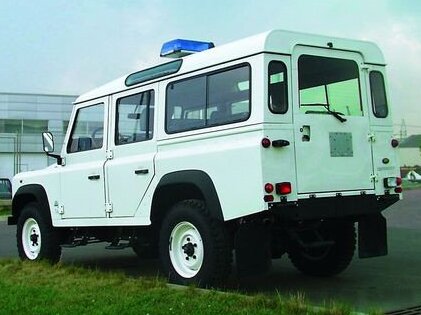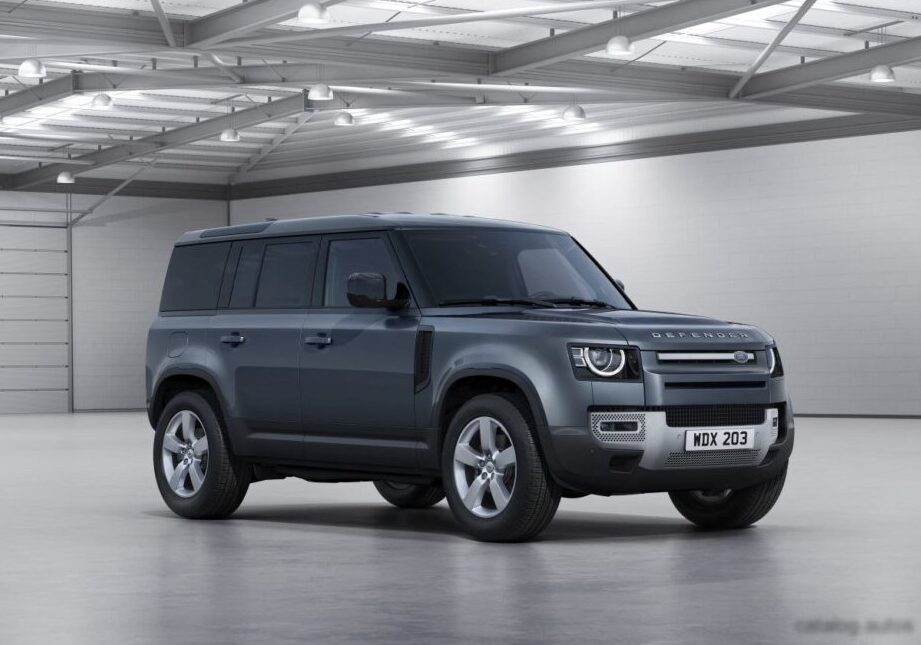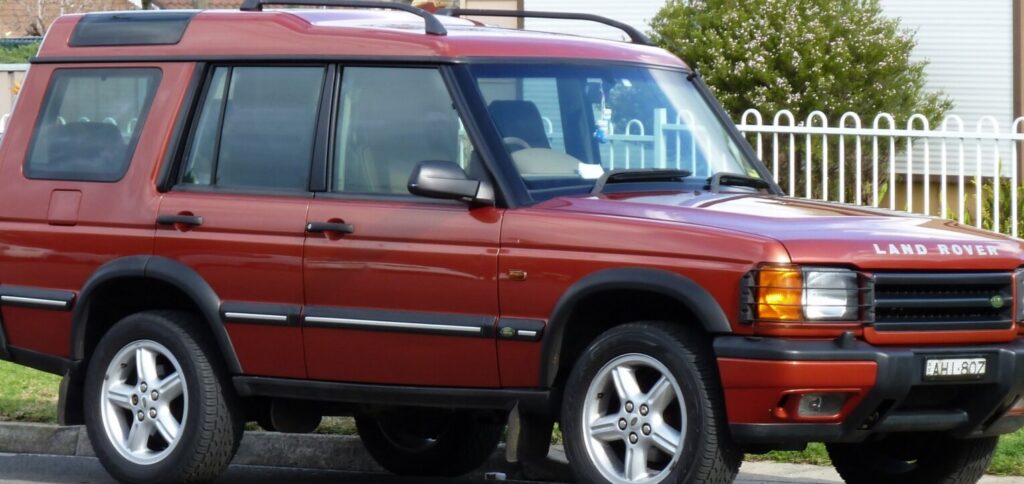
The Land Rover Discovery II 4.0i V8, produced from 1998 to 2004, represented a significant evolution of the Discovery model line. Positioned as a premium offering within the second-generation Discovery (Series II) range, it catered to buyers seeking a blend of off-road capability, family practicality, and a more powerful engine option. The Discovery II, built on the Td5 platform, aimed to refine the original’s rugged charm with improved on-road manners and a more luxurious interior. This 4.0i V8 variant, with its 185 horsepower output, was primarily sold in markets outside of North America, where larger displacement engines were more readily accepted and often preferred for towing and challenging terrain.
Technical Specifications
| Brand | Land Rover |
| Model | Discovery |
| Generation | Discovery II |
| Type (Engine) | 4.0i V8 (185 Hp) |
| Start of production | 1998 |
| End of production | 2004 |
| Powertrain Architecture | Internal Combustion engine |
| Body type | SUV |
| Seats | 7 |
| Doors | 5 |
| Fuel consumption (urban) | 23.3 l/100 km (10.1 US mpg, 12.1 UK mpg, 4.3 km/l) |
| Fuel consumption (extra urban) | 12.7 l/100 km (18.5 US mpg, 22.2 UK mpg, 7.9 km/l) |
| Fuel consumption (combined) | 16.6 l/100 km (14.2 US mpg, 17 UK mpg, 6 km/l) |
| Fuel Type | Petrol (Gasoline) |
| Acceleration 0 – 100 km/h | 11.7 sec |
| Acceleration 0 – 62 mph | 11.7 sec |
| Acceleration 0 – 60 mph | 11.1 sec |
| Maximum speed | 190 km/h (118.06 mph) |
| Weight-to-power ratio | 10.9 kg/Hp, 91.6 Hp/tonne |
| Weight-to-torque ratio | 5.9 kg/Nm, 168.3 Nm/tonne |
| Power | 185 Hp @ 4750 rpm |
| Power per litre | 46.9 Hp/l |
| Torque | 340 Nm @ 2600 rpm (250.77 lb.-ft. @ 2600 rpm) |
| Engine layout | Front, Longitudinal |
| Engine displacement | 3947 cm3 (240.86 cu. in.) |
| Number of cylinders | 8 |
| Engine configuration | V-engine |
| Cylinder Bore | 94 mm (3.7 in.) |
| Piston Stroke | 71.1 mm (2.8 in.) |
| Compression ratio | 9.35:1 |
| Number of valves per cylinder | 2 |
| Fuel injection system | Multi-port manifold injection |
| Engine aspiration | Naturally aspirated engine |
| Kerb Weight | 2020 kg (4453.34 lbs.) |
| Max. weight | 2750 kg (6062.71 lbs.) |
| Max load | 730 kg (1609.37 lbs.) |
| Trunk (boot) space – minimum | 1290 l (45.56 cu. ft.) |
| Trunk (boot) space – maximum | 1970 l (69.57 cu. ft.) |
| Fuel tank capacity | 95 l (25.1 US gal | 20.9 UK gal) |
| Length | 4710 mm (185.43 in.) |
| Width | 1860 mm (73.23 in.) |
| Height | 1890 mm (74.41 in.) |
| Wheelbase | 2540 mm (100 in.) |
| Front track | 1540 mm (60.63 in.) |
| Rear (Back) track | 1560 mm (61.42 in.) |
| Drive wheel | All wheel drive (4×4) |
| Number of gears and type of gearbox | 5 gears, manual transmission |
| Front suspension | Coil spring |
| Rear suspension | Hydraulic elements |
| Front brakes | Ventilated discs |
| Rear brakes | Disc |
| Assisting systems | ABS (Anti-lock braking system) |
| Steering type | Steering rack and pinion |
| Power steering | Hydraulic Steering |
| Tires size | 235/70 R16 |
| Wheel rims size | 16 |
Powertrain & Engine Architecture
The heart of the Discovery II 4.0i V8 is the Rover 4.0-liter V8 engine, internally designated as the 4.0i. This engine, derived from the Buick-sourced 3.9-liter V8, was significantly updated by Land Rover. It features a 90-degree V-angle, two valves per cylinder, and a multi-port fuel injection system. The engine’s architecture is relatively simple, contributing to its robustness and ease of maintenance. The 185 horsepower output, while not exceptionally high by modern standards, provided ample torque for both on-road driving and off-road excursions. The engine’s longitudinal mounting and rear-wheel-drive bias, coupled with a selectable four-wheel-drive system, provided a traditional Land Rover driving experience. The five-speed manual transmission, standard on this variant, offered precise control and a more engaging driving experience compared to the optional automatic.
Driving Characteristics
The 4.0i V8 with the manual transmission delivered a noticeably different driving experience compared to the diesel or lower-powered gasoline variants. Acceleration was brisk, with the 0-60 mph sprint taking around 11.1 seconds. The engine’s torque curve was relatively flat, providing strong pulling power across a wide range of engine speeds. The manual gearbox allowed for greater driver control, particularly when navigating challenging terrain. However, the Discovery II’s weight and aerodynamic profile meant that fuel economy was relatively poor, averaging around 14.2 US mpg in combined driving. Compared to the 2.5-liter Td5 diesel, the 4.0i V8 offered significantly more power but at the cost of increased fuel consumption and a higher purchase price.
Equipment & Trim Levels
The 4.0i V8 typically came with a higher level of standard equipment than the base models. This included features such as air conditioning, power windows and locks, and a basic audio system. Interior upholstery was typically cloth or leather, with wood trim accents. Optional extras included a sunroof, upgraded audio systems, and heated seats. The Discovery II offered a relatively spacious interior, with seating for up to seven passengers. The rear seats could be folded flat to increase cargo capacity. Trim levels varied depending on the market, but generally, the 4.0i V8 was positioned as a mid-to-high-range offering.
Chassis & Braking
The Discovery II utilized a body-on-frame construction, providing a robust and durable chassis. The suspension system consisted of coil springs at the front and hydraulic elements at the rear. This setup provided a comfortable ride, although it could be prone to body roll in corners. Braking duties were handled by ventilated discs at the front and solid discs at the rear, assisted by an anti-lock braking system (ABS). The steering was a rack-and-pinion system with hydraulic power assistance, providing precise and responsive steering feel. The standard tire size was 235/70 R16, offering a good balance of on-road comfort and off-road traction.
Market Reception & Comparison
The Discovery II 4.0i V8 was generally well-received by automotive critics, who praised its blend of off-road capability, on-road comfort, and powerful engine. However, it was also criticized for its relatively poor fuel economy and somewhat dated interior design. Compared to competitors such as the Jeep Grand Cherokee and the BMW X5, the Discovery II offered a more rugged and utilitarian appeal. The 4.0i V8 variant was often seen as a more desirable option than the diesel models for buyers who prioritized performance and towing capacity.
Legacy
The Rover 4.0-liter V8 engine, while not known for its cutting-edge technology, proved to be a remarkably durable and reliable powerplant. With proper maintenance, these engines can continue to provide years of service. Today, the Discovery II 4.0i V8 is a popular choice among Land Rover enthusiasts, particularly those who appreciate its classic design and off-road capabilities. The manual transmission variants are particularly sought after by collectors and enthusiasts. While finding parts can sometimes be a challenge, a thriving aftermarket supports the continued maintenance and restoration of these vehicles. The Discovery II 4.0i V8 remains a testament to Land Rover’s commitment to building capable and versatile vehicles.