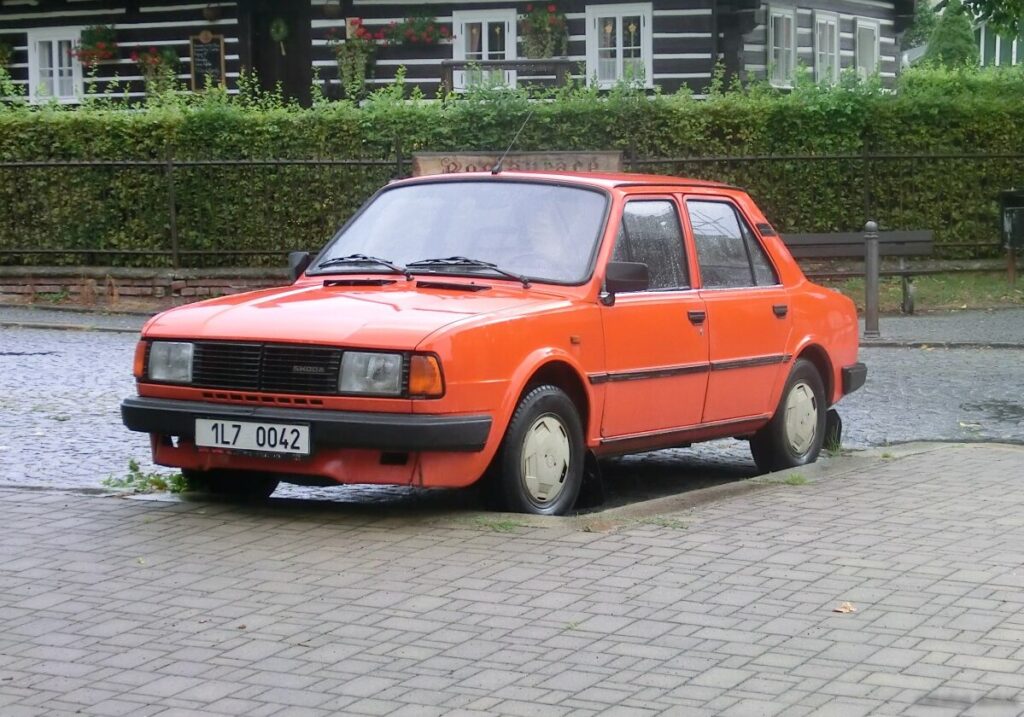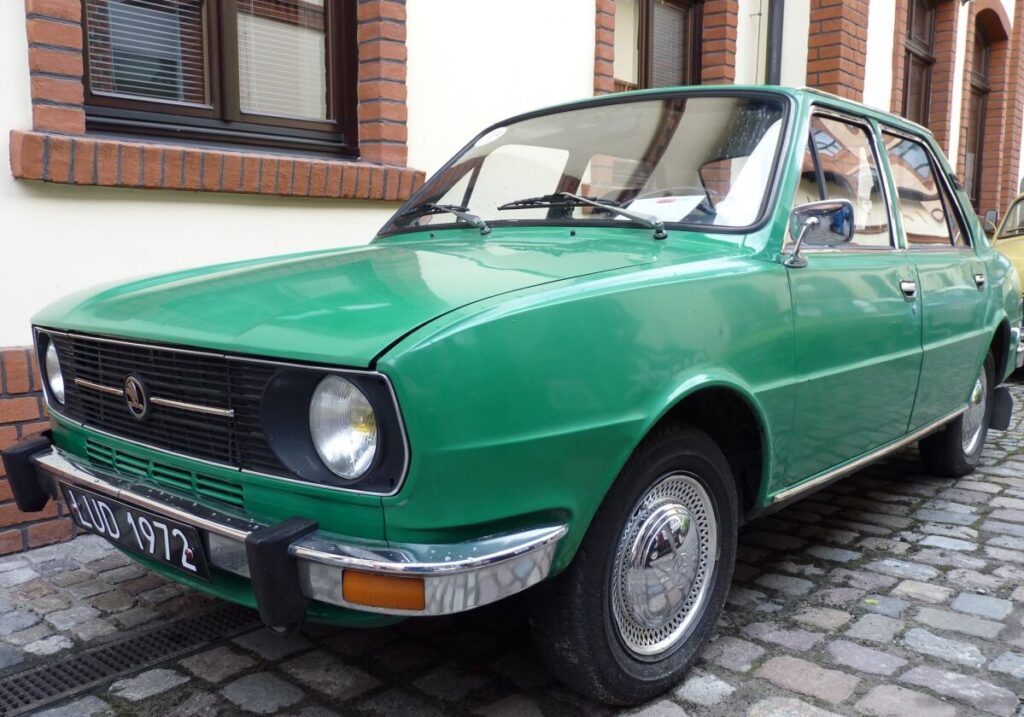
The Škoda 105 and 120 series, internally designated the 742 series, represented a significant modernization for the Czech automaker during a period of political and economic constraints. Produced from 1976 to 1990, these rear-engined sedans and coupés were the mainstay of Škoda’s production, primarily serving the Eastern European market but also finding limited export success, including some presence in Western Europe. The 120 LS, powered by a 1.2-liter engine producing 58 horsepower, was a popular variant, positioned as a slightly more refined and better-equipped option within the 105/120 range. It represented a step up from the base 105, offering improved interior trim and a marginally higher level of performance, though still focused on economy and practicality.
Technical Specifications
| Brand | Škoda |
| Model | 105, 120 |
| Generation | 105, 120 (742) |
| Type (Engine) | 1.2 120 LS (58 Hp) |
| Start of production | 1976 |
| End of production | 1990 |
| Powertrain Architecture | Internal Combustion engine |
| Body type | Sedan |
| Seats | 5 |
| Doors | 4 |
| Fuel Type | Petrol (Gasoline) |
| Power | 58 Hp |
| Engine Model/Code | 742.12 |
| Engine aspiration | Naturally aspirated engine |
| Engine oil capacity | 4.6 l (4.86 US qt | 4.05 UK qt) |
| Coolant capacity | 11.5 l (12.15 US qt | 10.12 UK qt) |
| Fuel tank capacity | 36 l (9.51 US gal | 7.92 UK gal) |
Powertrain & Engine Architecture
The Škoda 120 LS utilized the 742.12 engine, a 1,198 cc, overhead valve (OHV) four-cylinder engine. This engine was a development of the earlier Škoda 105/120 powerplants, retaining the rear-mounted, air-cooled configuration. The 742.12 featured a single Solex JIKAR carburetor, providing fuel delivery. While relatively simple in design, the engine benefited from improvements in materials and manufacturing processes compared to its predecessors. The engine’s modest 58 horsepower output at 5,500 rpm and 66 lb-ft of torque at 3,500 rpm were delivered through a four-speed manual transmission, although a three-speed automatic transmission was also available, albeit less common. The automatic transmission was a relatively basic unit, designed for smooth operation rather than performance. The engine block was constructed from cast iron, contributing to its durability, while the cylinder head was made of aluminum alloy. The valvetrain employed pushrods and rocker arms, a design choice reflecting the cost-effectiveness and simplicity prioritized in the vehicle’s engineering.
Driving Characteristics
The Škoda 120 LS, even with the optional automatic transmission, was not known for its blistering performance. Acceleration was leisurely, with a 0-60 mph time estimated to be around 18-20 seconds. The rear-engine layout contributed to a distinctive driving experience, characterized by noticeable rear weight bias. This could lead to oversteer in spirited cornering, requiring careful throttle control. The automatic transmission, while offering convenience, further diminished acceleration compared to the manual version. Gear ratios were spaced to prioritize fuel economy and smooth cruising rather than rapid acceleration. The suspension, consisting of trailing arms at the rear and MacPherson struts at the front, provided a reasonably comfortable ride, although it could feel somewhat wallowy on uneven surfaces. Steering was relatively light but lacked precision, requiring frequent corrections at highway speeds. Compared to the manual transmission versions, the automatic 120 LS felt noticeably slower and less engaging to drive.
Equipment & Trim Levels
The 120 LS trim level offered a step up in comfort and aesthetics compared to the base 105 and 120 models. Standard features included more comfortable seats with upgraded upholstery (typically a patterned cloth), a more comprehensive instrument panel with additional gauges, and improved interior trim. The dashboard featured a woodgrain finish, adding a touch of sophistication. Optional extras included a radio, heated rear window, and upgraded exterior trim. The 120 LS also featured slightly more chrome detailing on the exterior, distinguishing it from the more basic models. The interior layout was functional and practical, prioritizing usability over luxury. The steering wheel was a two-spoke design, and the controls were logically arranged. The overall ambiance was one of understated practicality.
Chassis & Braking
The Škoda 120 LS utilized a unibody construction, providing a reasonable level of structural rigidity. The front suspension employed MacPherson struts with stabilizer bar, while the rear suspension featured trailing arms with a transverse leaf spring. Braking was initially accomplished with drum brakes on all four wheels, although later models were often equipped with front disc brakes for improved stopping power. The braking system was hydraulic, providing adequate stopping performance for the vehicle’s weight and power. The steering system was a worm-and-roller type, offering light steering effort but limited feedback. The 120 LS rode on 14-inch wheels with relatively narrow tires, contributing to its comfortable ride but limiting grip in cornering. The rear track was narrower than the front, further exacerbating the tendency towards oversteer.
Market Reception & Comparison
The Škoda 120 LS was generally well-regarded for its practicality, reliability, and affordability, particularly within its primary Eastern European market. Critics praised its spacious interior and relatively comfortable ride. However, it was often criticized for its modest performance, dated design, and somewhat crude driving dynamics. Compared to Western European rivals like the Volkswagen Golf or Ford Escort, the 120 LS lagged behind in terms of refinement and performance. Within the Škoda lineup, the 120 LS offered a compromise between the basic 105 and the more powerful (but less common) 130 series. The 130, with its higher-output engine, provided significantly improved performance but came at a higher price. Fuel economy was a strong point for the 120 LS, averaging around 35-40 mpg. Reliability was generally good, although the air-cooled engine required regular maintenance to prevent overheating.
Legacy
The Škoda 120 LS, and the 742 series as a whole, represents a significant chapter in the history of the Czech automaker. While not a technological tour de force, it provided affordable and reliable transportation for millions of people in Eastern Europe and beyond. The 742 series was Škoda’s longest-running production model, and it helped to establish the brand’s reputation for durability and practicality. Today, the 120 LS is gaining recognition as a classic car, particularly among enthusiasts who appreciate its unique rear-engined layout and its historical significance. The 742.12 engine, while simple, proved to be remarkably durable, and many examples are still running today. However, finding parts can be challenging, and maintenance requires specialized knowledge. The automatic transmission versions are less sought after by collectors due to their lower performance, but they remain a viable option for those seeking a comfortable and easy-to-drive classic car.