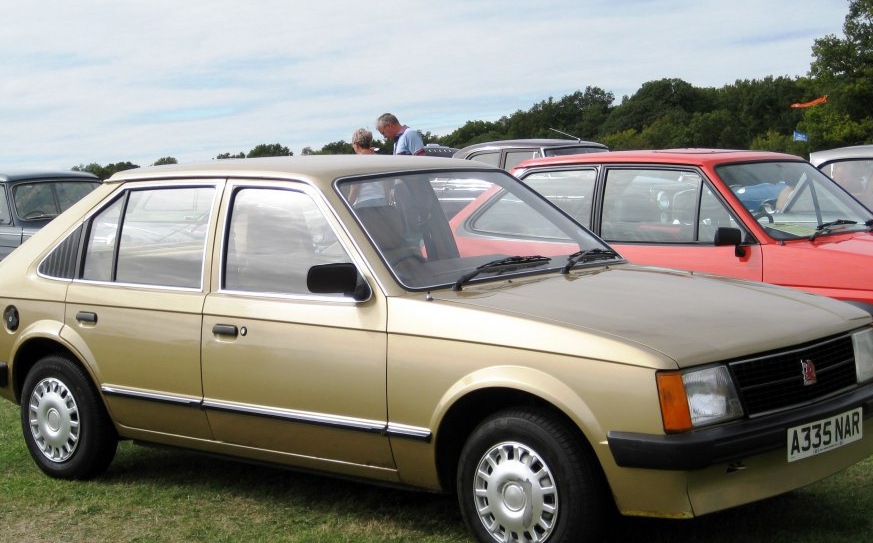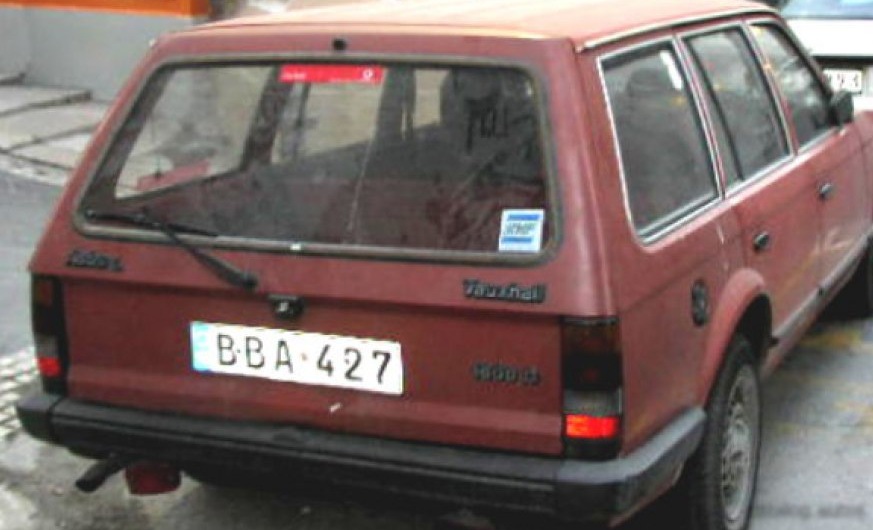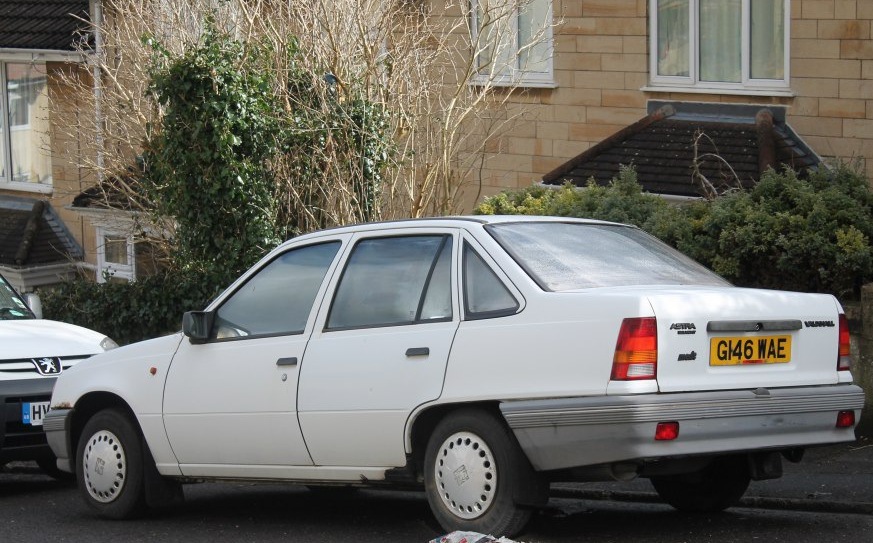
The Vauxhall Astra Mk II Belmont 1.6 S, produced between 1986 and 1988, represented a key variant within the Belmont range – the three-box sedan version of the Mk II Astra. Positioned as a more practical and traditionally styled alternative to the hatchback, the Belmont aimed to appeal to buyers seeking a conventional family saloon. The 1.6 S trim level offered a balance between affordability and a degree of sporting aspiration, making it a popular choice in the UK market. It was built on the GM T platform, shared with other European Opel and Vauxhall models of the era.
Technical Specifications
| Brand | Vauxhall |
| Model | Astra |
| Generation | Astra Mk II Belmont |
| Type (Engine) | 1.6 S (82 Hp) |
| Start of production | 1986 |
| End of production | 1988 |
| Powertrain Architecture | Internal Combustion engine |
| Body type | Sedan |
| Seats | 5 |
| Doors | 4 |
| Fuel Type | Petrol (Gasoline) |
| Power | 82 Hp @ 5200 rpm |
| Power per litre | 51.3 Hp/l |
| Torque | 130 Nm @ 2600 rpm |
| Torque (lb-ft) | 95.88 lb.-ft. @ 2600 rpm |
| Engine layout | Front, Transverse |
| Engine Model/Code | 16SV |
| Engine displacement | 1598 cm3 |
| Engine displacement (cu. in.) | 97.52 cu. in. |
| Number of cylinders | 4 |
| Engine configuration | Inline |
| Cylinder Bore | 79 mm |
| Cylinder Bore (in.) | 3.11 in. |
| Piston Stroke | 81.5 mm |
| Piston Stroke (in.) | 3.21 in. |
| Compression ratio | 10:1 |
| Number of valves per cylinder | 2 |
| Engine aspiration | Naturally aspirated engine |
| Engine oil capacity | 3.5 l |
| Engine oil capacity (US qt) | 3.7 US qt |
| Engine oil capacity (UK qt) | 3.08 UK qt |
| Coolant capacity | 6.2 l |
| Coolant capacity (US qt) | 6.55 US qt |
| Coolant capacity (UK qt) | 5.46 UK qt |
| Trunk (boot) space – minimum | 550 l |
| Trunk (boot) space (cu. ft.) | 19.42 cu. ft. |
| Fuel tank capacity | 52 l |
| Fuel tank capacity (US gal) | 13.74 US gal |
| Fuel tank capacity (UK gal) | 11.44 UK gal |
| Length | 4218 mm |
| Length (in.) | 166.06 in. |
| Width | 1658 mm |
| Width (in.) | 65.28 in. |
| Height | 1400 mm |
| Height (in.) | 55.12 in. |
| Wheelbase | 2520 mm |
| Wheelbase (in.) | 99.21 in. |
| Front track | 1400 mm |
| Front track (in.) | 55.12 in. |
| Rear (Back) track | 1406 mm |
| Rear (Back) track (in.) | 55.35 in. |
| Drivetrain Architecture | The Internal combustion engine (ICE) drives the front wheels of the vehicle. |
| Drive wheel | Front wheel drive |
| Number of gears and type of gearbox | 5 gears, manual transmission |
Powertrain & Engine Architecture
The heart of the Astra Belmont 1.6 S was the 16SV engine, a 1.6-liter inline-four cylinder petrol engine. This engine featured a cast iron block and an aluminum cylinder head, with a single overhead camshaft operating two valves per cylinder. Fuel delivery was managed by a Bosch Jetronic carburetor system, a common setup for the time, providing adequate but not particularly sophisticated fuel management. The 16SV engine produced 82 horsepower at 5200 rpm and 130 Nm (95.88 lb-ft) of torque at 2600 rpm. The engine’s relatively simple design prioritized reliability and ease of maintenance over outright performance. The engine was transversely mounted, driving the front wheels. The standard transmission was a five-speed manual gearbox, offering a reasonable spread of ratios for everyday driving.
Driving Characteristics
The 1.6 S offered a modest level of performance. Acceleration was adequate for typical commuting and highway cruising, but it wasn’t a particularly quick car. The five-speed manual transmission allowed drivers to keep the engine in its optimal power band, but the engine lacked the low-end torque of larger displacement units. Compared to the more powerful Astra models, such as those equipped with the 1.8 or 2.0-liter engines, the 1.6 S felt noticeably slower. However, it offered a more economical driving experience. The suspension was tuned for comfort, providing a relatively smooth ride, although it wasn’t particularly sporty. The steering was light and easy to use, making it well-suited for urban driving.
Equipment & Trim Levels
The ‘S’ designation indicated a slightly more equipped version of the Belmont. Standard features typically included cloth upholstery, a basic stereo system, and a more comprehensive instrument panel than the base models. Optional extras included a sunroof, upgraded stereo systems, and central locking. The interior was functional and durable, reflecting the car’s focus on practicality. The dashboard layout was typical of the era, with clearly labeled controls and a straightforward design. The Belmont offered a reasonable amount of interior space for passengers, and the 550-liter trunk provided ample luggage capacity.
Chassis & Braking
The Astra Belmont utilized a MacPherson strut front suspension and a twist-beam rear suspension. This setup provided a good balance between ride comfort and handling. The front brakes were disc brakes, while the rear brakes were typically drum brakes, a cost-saving measure common in this class of vehicle. The steering was rack and pinion, providing precise and responsive steering feel. The chassis was relatively lightweight, contributing to the car’s fuel efficiency and agility. Stabilizer bars were fitted to both the front and rear axles to reduce body roll during cornering.
Market Reception & Comparison
The Astra Belmont 1.6 S was generally well-received by critics as a practical and affordable family saloon. It was praised for its fuel efficiency, comfortable ride, and spacious interior. However, it was also criticized for its relatively modest performance and somewhat dated interior design. Compared to other saloons in its class, such as the Ford Sierra and the Peugeot 305, the Astra Belmont offered a competitive package in terms of price and features. The 1.6-liter engine provided reasonable fuel economy, making it an attractive option for budget-conscious buyers. However, the higher-powered Astra variants offered a more engaging driving experience, appealing to those who prioritized performance.
Legacy
The Vauxhall Astra Mk II Belmont 1.6 S, while not a particularly groundbreaking vehicle, remains a fondly remembered classic among enthusiasts. The 16SV engine proved to be relatively reliable, and many examples are still on the road today. Parts availability is generally good, making it a relatively easy car to maintain. In the used car market, the Belmont 1.6 S represents an affordable entry point into classic Vauxhall ownership. Its simple design and robust construction make it a practical and enjoyable classic car for those seeking a taste of 1980s motoring. The Belmont, and specifically the 1.6 S, represents a significant part of Vauxhall’s history and a popular choice for those seeking a reliable and affordable classic saloon.