Technical Specifications
| Brand | Skoda |
| Model | 105, 120 |
| Generation | 105, 120 (744) |
| Type (Engine) | 1.0 105 S, L, LS (45 Hp) |
| Start of Production | 1983 |
| End of Production | 1990 |
| Powertrain Architecture | Internal Combustion Engine |
| Body Type | Sedan |
| Seats | 5 |
| Doors | 4 |
| Fuel Type | Petrol (Gasoline) |
| Power | 45 Hp |
| Engine Aspiration | Naturally Aspirated |
| Engine Oil Capacity | 4 l (4.23 US qt | 3.52 UK qt) |
| Coolant Capacity | 11.5 l (12.15 US qt | 10.12 UK qt) |
| Fuel Tank Capacity | 37 l (9.77 US gal | 8.14 UK gal) |
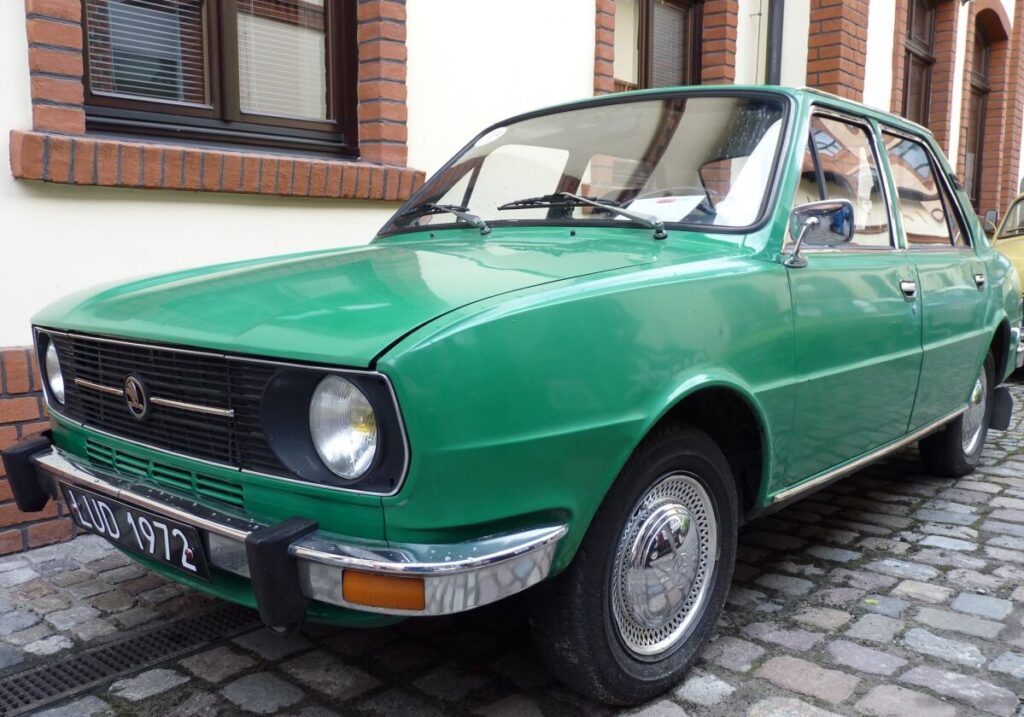
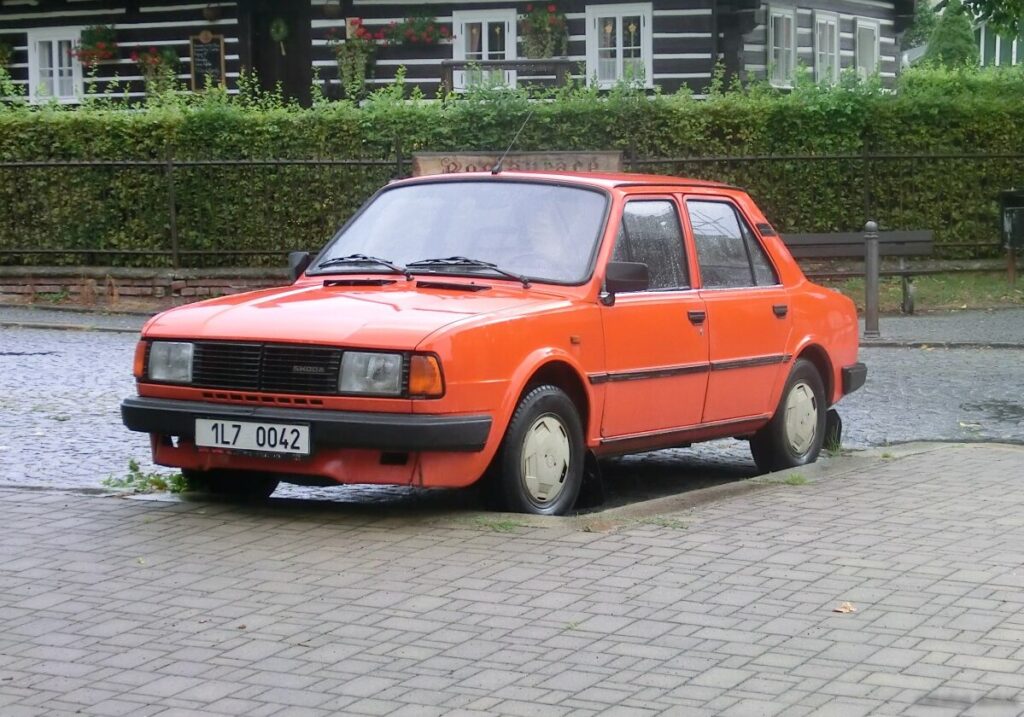
The Skoda 105 and 120 series, internally designated 744, represented a significant modernization of Skoda’s rear-engine lineup, produced from 1983 to 1990. These models were a continuation of the long-running Skoda tradition of rear-engined vehicles, but with updated styling and, crucially, improved reliability compared to earlier iterations. The 1.0 105 S, L, and LS variants, producing 45 horsepower, occupied the entry-level position within the 105/120 range, serving as the most affordable and fuel-efficient options. They were primarily aimed at the domestic Czechoslovak market and export markets within the Eastern Bloc, though limited numbers found their way to Western Europe.
Powertrain & Engine Architecture
The heart of the 105/120 series was a water-cooled, overhead valve (OHV) four-cylinder engine. The 1.0-liter version, designated as the 721.13, displaced 988cc. It featured a single carburetor – typically a JIKOV 32 DDS – and a relatively low compression ratio of around 8.2:1, contributing to its ability to run on lower-octane fuel commonly available in Eastern European markets. The engine utilized a simple two-valve per cylinder configuration. While not particularly powerful, the engine was designed for durability and ease of maintenance. The 45 horsepower output was achieved at 5,500 rpm, with peak torque of approximately 68 Nm (50 lb-ft) at 3,200 rpm. The engine was mated to a four-speed manual transmission as standard, but a four-speed automatic transmission was also offered, though less common. This automatic was a relatively basic hydraulic unit, known for its smooth but somewhat slow shifts. The engine’s layout, being rear-mounted, necessitated a robust cooling system, and the water cooling was a significant improvement in temperature regulation over previous air-cooled Skoda designs.
Driving Characteristics
The 1.0-liter Skoda 105/120 with the automatic transmission was not designed for performance. Acceleration was leisurely, with a 0-60 mph time estimated to be well over 15 seconds. The automatic transmission further dampened any potential for spirited driving, prioritizing smooth operation over quick gear changes. The gear ratios were spaced to maximize fuel economy and provide adequate, if uninspiring, performance in everyday driving situations. The rear-engine layout contributed to a distinctive driving experience, with noticeable rear weight bias. This could lead to oversteer in cornering if pushed hard, but generally resulted in good traction on slippery surfaces. Compared to the more powerful 1.2 and 1.3-liter versions, the 1.0L automatic felt significantly slower and less refined. The manual transmission versions of the 1.0L offered a slightly more engaging driving experience, but still lacked the punch of the larger-engined models. The automatic, while convenient, noticeably reduced responsiveness.
Equipment & Trim Levels
The 105 S, L, and LS trims represented increasing levels of equipment. The base ‘S’ trim was quite spartan, featuring basic cloth upholstery, vinyl floor covering, and minimal exterior trim. The ‘L’ trim added features like a more comfortable seat fabric, a basic radio, and some chrome trim on the exterior. The ‘LS’ trim, the most luxurious of the 1.0-liter variants, included features like a more upscale interior trim, a better sound system, and potentially options like power windows (though rare). All trims featured a relatively simple dashboard layout with basic instrumentation – speedometer, fuel gauge, and temperature gauge. Optional extras included a sunroof, upgraded audio systems, and different wheel covers. The automatic transmission was often paired with the ‘L’ or ‘LS’ trim levels, as it was considered a convenience feature appealing to buyers seeking a more comfortable driving experience. Buyers opting for the automatic generally prioritized ease of use over outright performance.
Chassis & Braking
The Skoda 105/120 series utilized a relatively simple chassis design. The suspension consisted of independent trailing arms at the rear, a configuration necessitated by the rear-engine layout, and MacPherson struts at the front. The 1.0-liter models typically featured drum brakes on all four wheels, although some later models and higher trims may have had front disc brakes. Steering was by a worm-and-roller system, providing relatively heavy but direct steering feel. Stabilizer bars were not standard on the base ‘S’ trim, but were often included on the ‘L’ and ‘LS’ models to reduce body roll. The chassis was designed to be robust and capable of handling the stresses of poor road conditions, common in many of the markets where these cars were sold. The suspension was tuned for comfort rather than sporty handling.
Market Reception & Comparison
The Skoda 105/120 series, particularly the 1.0-liter variants, were generally well-received in their target markets for their affordability, fuel efficiency, and relative reliability. Critics often praised the cars for their practicality and ease of maintenance. However, they were also criticized for their lack of performance and somewhat dated design. Compared to other trims in the lineup, the 1.0-liter automatic offered the lowest price point and best fuel economy, but at the expense of performance and refinement. The 1.2 and 1.3-liter versions, while more expensive, provided a significantly more enjoyable driving experience. In Western Europe, where the cars were less common, they were often viewed as a budget-friendly alternative to more established brands, but their lack of modern features and performance limited their appeal. The automatic transmission, while appreciated by some, was often seen as detracting from the already limited performance of the 1.0-liter engine.
Legacy
The Skoda 105/120 series represents a significant chapter in Skoda’s history, marking a transition towards more modern automotive technology. While the 1.0-liter automatic variant wasn’t known for its performance, its simplicity and durability have contributed to a surprisingly large number of these cars surviving today. In the used car market, these models are relatively affordable and sought after by enthusiasts looking for a classic Eastern European automobile. The powertrain, while not particularly sophisticated, proved to be reasonably reliable, and spare parts are still relatively accessible. The 105/120 series laid the groundwork for Skoda’s later success as a mainstream automotive brand, and the 1.0-liter variants played a crucial role in making Skoda ownership accessible to a wider range of customers. Today, the 1.0L automatic is often seen as a charming and quirky classic, appreciated for its historical significance and simple engineering.