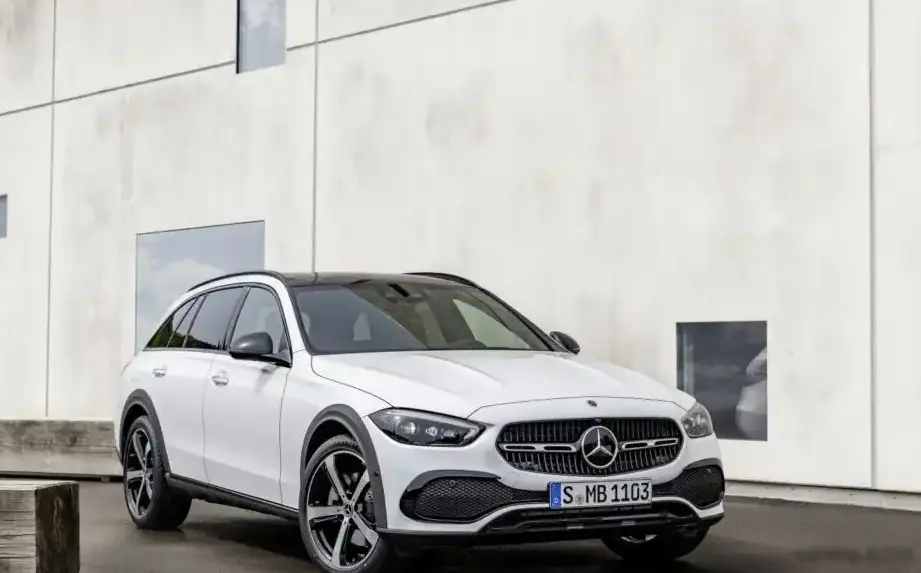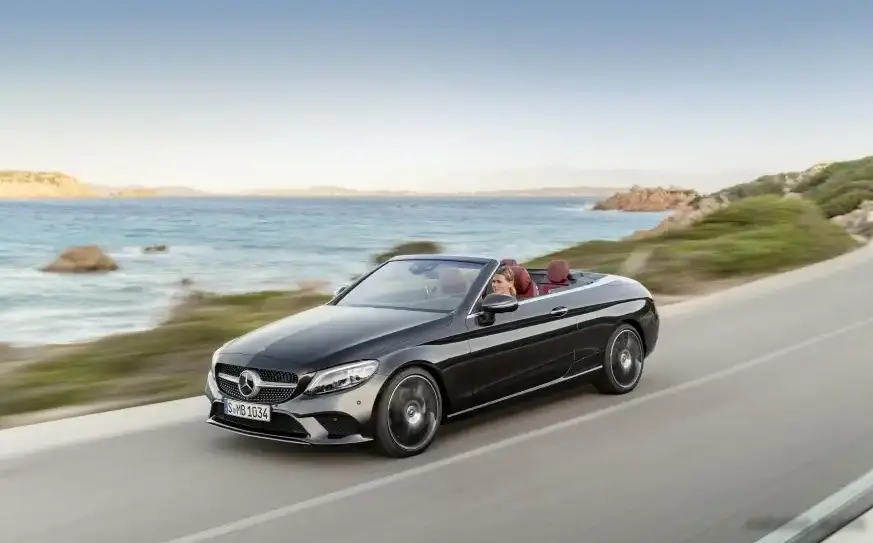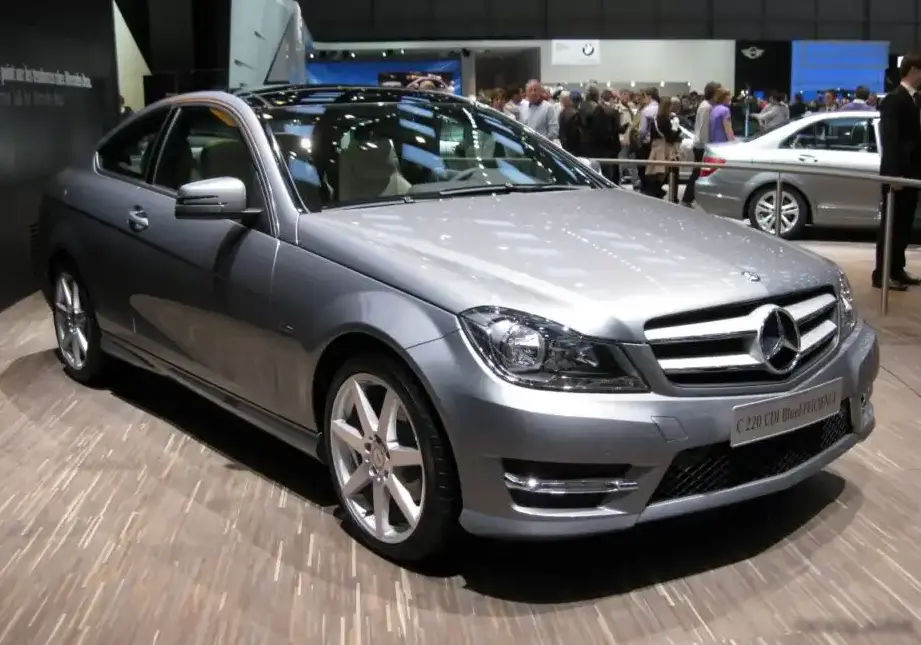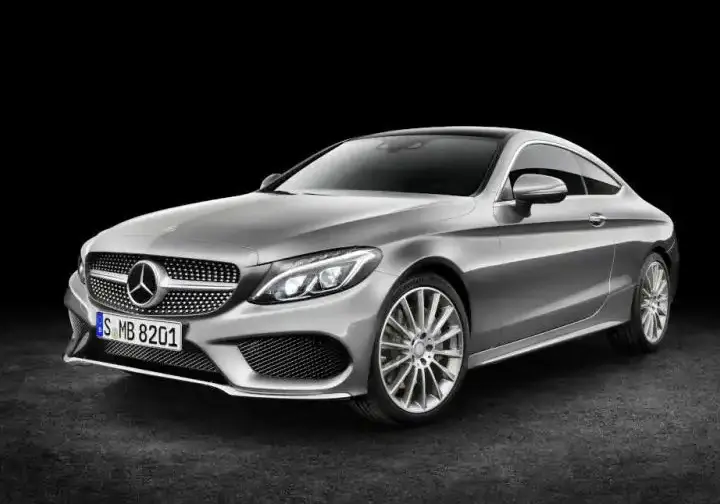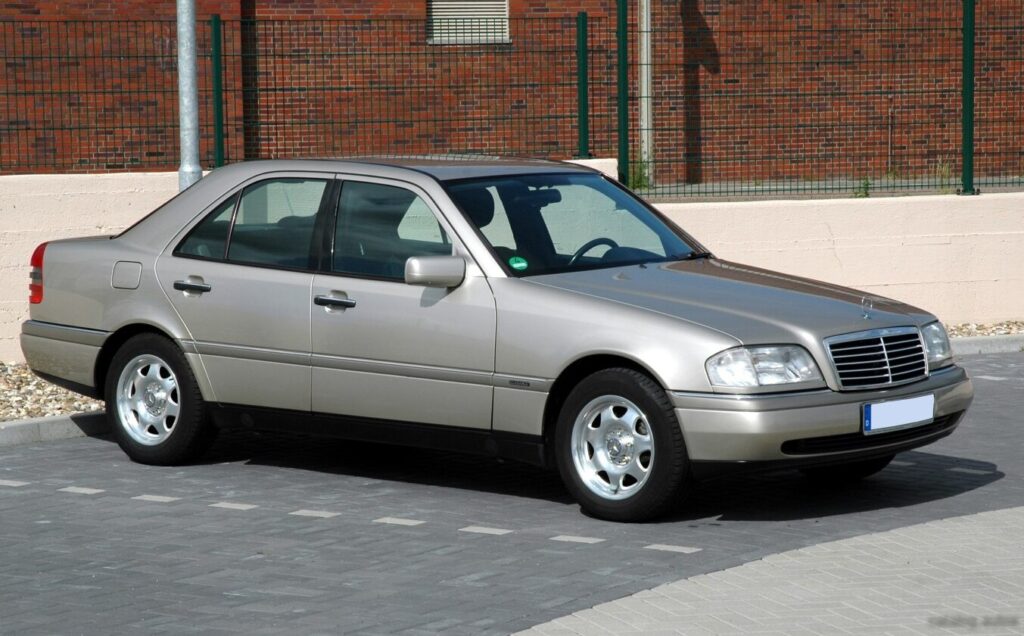
The Mercedes-Benz C-Class (W202) C 200 D, produced from August 1992 to October 1995, represented the entry point into the C-Class range for diesel buyers in Europe. Positioned as a fuel-efficient and practical sedan, it was a key model in establishing the W202 as a competitor to the BMW 3 Series and Audi A4. This variant utilized the OM601 D 20 engine, delivering 75 horsepower, and was typically paired with a 5-speed manual transmission, though an automatic option was available. The C 200 D aimed to provide the Mercedes-Benz experience – comfort, build quality, and reliability – at a more accessible price point than its gasoline-powered siblings.
Technical Specifications
| Brand | Mercedes-Benz |
| Model | C-class |
| Generation | C-class (W202) |
| Type (Engine) | C 200 D (75 Hp) |
| Start of production | August, 1992 |
| End of production | October, 1995 |
| Powertrain Architecture | Internal Combustion engine |
| Body type | Sedan |
| Seats | 5 |
| Doors | 4 |
| Fuel consumption (urban) | 8.1 l/100 km (29 US mpg, 34.9 UK mpg, 12.3 km/l) |
| Fuel consumption (extra urban) | 5 l/100 km (47 US mpg, 56.5 UK mpg, 20 km/l) |
| Fuel Type | Diesel |
| Acceleration 0 – 100 km/h | 19.6 sec |
| Acceleration 0 – 62 mph | 19.6 sec |
| Acceleration 0 – 60 mph | 18.6 sec |
| Maximum speed | 160 km/h (99.42 mph) |
| Weight-to-power ratio | 18.4 kg/Hp, 54.3 Hp/tonne |
| Weight-to-torque ratio | 10.6 kg/Nm, 94.2 Nm/tonne |
| Power | 75 Hp @ 4600 rpm |
| Power per litre | 37.6 Hp/l |
| Torque | 130 Nm @ 2000 rpm (95.88 lb.-ft. @ 2000 rpm) |
| Engine layout | Front, Longitudinal |
| Engine Model/Code | OM 601 D 20 / 601.913 |
| Engine displacement | 1997 cm3 (121.86 cu. in.) |
| Number of cylinders | 4 |
| Engine configuration | Inline |
| Cylinder Bore | 87 mm (3.43 in.) |
| Piston Stroke | 84 mm (3.31 in.) |
| Compression ratio | 22:1 |
| Number of valves per cylinder | 4 |
| Fuel injection system | Precombustion chamber injection |
| Engine aspiration | Naturally aspirated engine |
| Valvetrain | SOHC |
| Engine oil capacity | 6 l (6.34 US qt | 5.28 UK qt) |
| Coolant | 8 l (8.45 US qt | 7.04 UK qt) |
| Kerb Weight | 1380 kg (3042.38 lbs.) |
| Max. weight | 1860 kg (4100.6 lbs.) |
| Max load | 480 kg (1058.22 lbs.) |
| Trunk (boot) space – minimum | 430 l (15.19 cu. ft.) |
| Fuel tank capacity | 62 l (16.38 US gal | 13.64 UK gal) |
| Length | 4487 mm (176.65 in.) |
| Width | 1720 mm (67.72 in.) |
| Height | 1414 mm (55.67 in.) |
| Wheelbase | 2690 mm (105.91 in.) |
| Front track | 1505 mm (59.25 in.) |
| Rear (Back) track | 1476 mm (58.11 in.) |
| Drivetrain Architecture | The Internal combustion engine (ICE) drives the rear wheels of the vehicle. |
| Drive wheel | Rear wheel drive |
| Number of gears and type of gearbox | 5 gears, manual transmission |
| Front suspension | Double wishbone |
| Rear suspension | Independent multi-link spring suspension with stabilizer |
| Front brakes | Disc |
| Rear brakes | Disc |
| Assisting systems | ABS (Anti-lock braking system) |
| Steering type | Worm-reduction unit |
| Power steering | Hydraulic Steering |
| Tires size | 185/70 R15 |
| Wheel rims size | 6J x 15 |
Powertrain & Engine Architecture
The heart of the C 200 D was the OM601 D 20 engine, a 2.0-liter inline-four diesel. This engine was a mainstay of Mercedes-Benz’s diesel offerings in the early 1990s, known for its durability and relatively simple design. It employed precombustion chamber injection, a system where fuel is injected into a small pre-chamber connected to the main combustion chamber, promoting more complete combustion and reducing engine noise. The engine featured a single overhead camshaft (SOHC) valvetrain operating four valves per cylinder. The 5-speed manual transmission was the most common pairing, offering a relatively long gearing to maximize fuel economy. A four-speed automatic transmission was also available, but it came at the cost of performance and efficiency. The engine’s longitudinal mounting within the engine bay was a traditional Mercedes-Benz layout, contributing to a balanced weight distribution.
Driving Characteristics
The C 200 D, with its 75 horsepower and 130 Nm (96 lb-ft) of torque, was not a performance-oriented vehicle. Acceleration was leisurely, taking nearly 20 seconds to reach 60 mph. However, the engine’s torque delivery was relatively strong at low to mid-range RPMs, making it suitable for everyday driving and highway cruising. The manual transmission allowed for greater control and responsiveness, while the automatic, though convenient, felt sluggish in comparison. The long gearing emphasized fuel economy over outright speed. Compared to the more powerful C 220 or C 280 models, the C 200 D offered a significantly different driving experience, prioritizing efficiency and affordability.
Equipment & Trim Levels
The C 200 D typically came with a fairly basic level of equipment, reflecting its position as the entry-level model. Standard features included power steering, central locking, and cloth upholstery. Air conditioning, power windows, and an upgraded audio system were often optional extras. Interior trim was generally functional and durable, with a focus on practicality rather than luxury. The dashboard layout was typical of the W202, featuring a straightforward design with clearly labeled controls. Higher trim levels, such as the Elegance or Classic, offered more luxurious appointments, including wood trim and leather upholstery, but these were rarely paired with the C 200 D engine.
Chassis & Braking
The W202 C-Class featured a robust chassis with double wishbone front suspension and an independent multi-link rear suspension. This setup provided a comfortable ride and good handling characteristics. The C 200 D, being the lighter variant, benefited from this well-engineered suspension. Braking was initially equipped with disc brakes on all four wheels, although some early models may have featured drum brakes on the rear. Anti-lock braking system (ABS) was standard, enhancing safety. Stabilizer bars were fitted to both the front and rear axles to reduce body roll during cornering.
Market Reception & Comparison
The C 200 D was well-received in Europe as a practical and economical option within the C-Class range. Critics praised its fuel efficiency and durability, but noted its lack of performance. Compared to the gasoline-powered C 220 and C 280, the C 200 D offered significantly better fuel economy, but at the expense of acceleration and overall driving enjoyment. Against competitors like the BMW 318d and Audi A4 1.9 TDI, the C 200 D offered a similar blend of practicality and economy, with the Mercedes-Benz badge providing a perceived advantage in terms of build quality and prestige.
Legacy
The OM601 engine, found in the C 200 D, is renowned for its longevity and reliability. Many examples have surpassed 200,000 miles with proper maintenance. Today, the W202 C 200 D is a relatively affordable classic car, appealing to those seeking a durable and economical Mercedes-Benz. While not a sought-after performance model, its simplicity and robust construction make it a popular choice for enthusiasts and those looking for a reliable daily driver. Parts availability remains good, and the C 200 D continues to offer a comfortable and practical driving experience, even by modern standards.