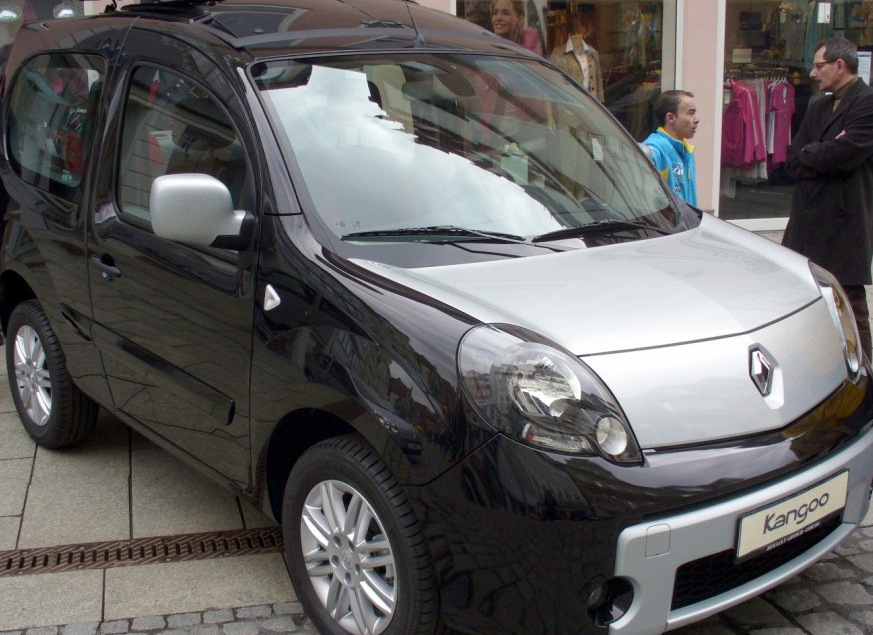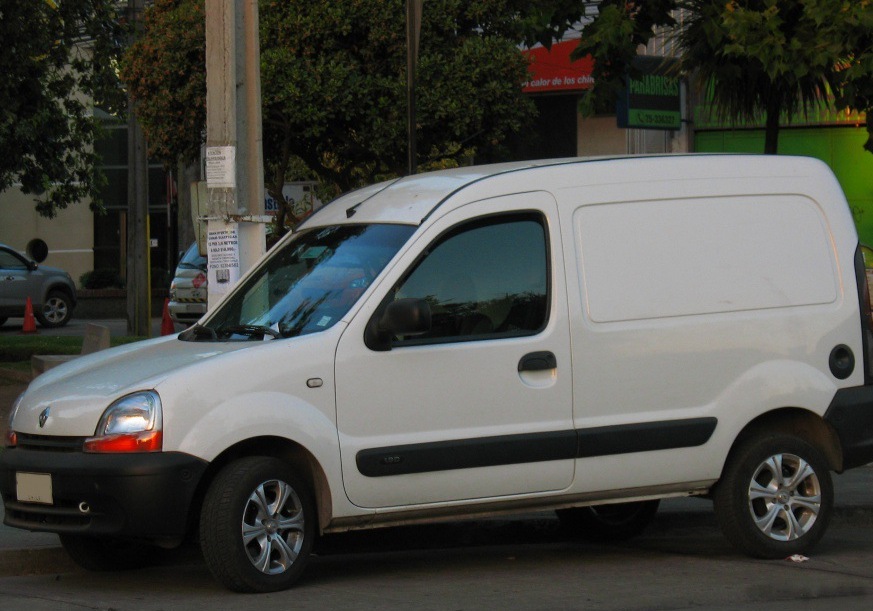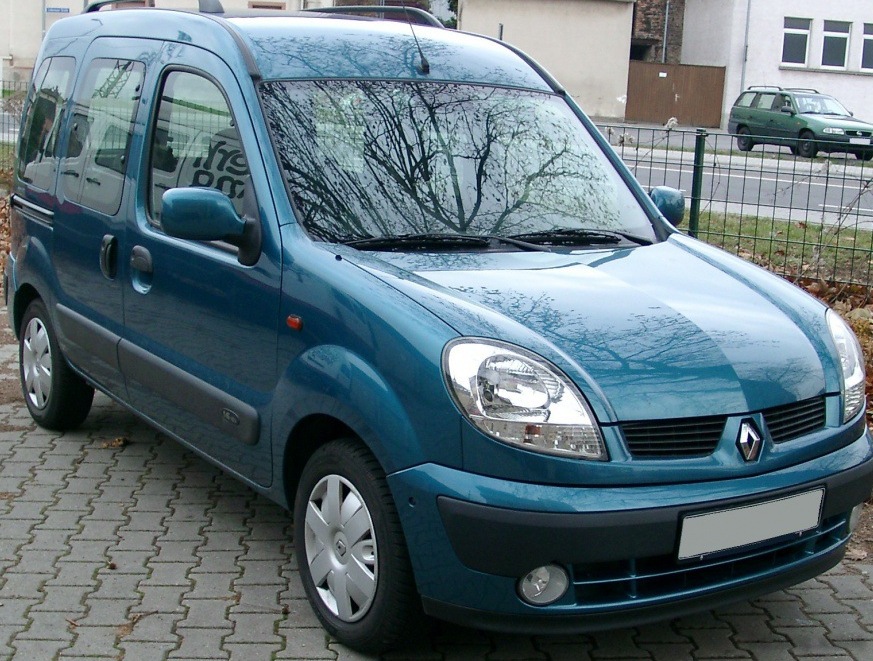
The Renault Kangoo I, specifically the KC facelift model produced between 2003 and 2005 with the 1.4-liter 75 horsepower engine paired with an automatic transmission, represented an entry-level offering within the Kangoo range. Positioned as a practical and affordable option, this variant catered to buyers prioritizing ease of use and fuel efficiency over outright performance. The Kangoo I, launched in 1997, was Renault’s answer to the growing demand for compact, versatile leisure activity vehicles (LAVs) and small commercial vehicles in Europe. The 2003 facelift brought subtle styling updates and refinements to the original design, enhancing its appeal. This particular engine and transmission combination was primarily sold in European markets, where smaller displacement engines and automatic transmissions were gaining popularity for urban driving.
Technical Specifications
| Brand | Renault |
| Model | Kangoo |
| Generation | Kangoo I (KC, facelift 2003) |
| Type (Engine) | 1.4 (75 Hp) Automatic |
| Start of production | 2003 |
| End of production | 2005 |
| Powertrain Architecture | Internal Combustion engine |
| Body type | Minivan |
| Seats | 5 |
| Doors | 4/5 |
| Fuel consumption (combined) | 7.9 l/100 km (29.8 US mpg, 35.8 UK mpg, 12.7 km/l) |
| CO2 emissions | 188 g/km |
| Fuel Type | Petrol (Gasoline) |
| Acceleration 0 – 100 km/h | 16.9 sec |
| Acceleration 0 – 62 mph | 16.9 sec |
| Acceleration 0 – 60 mph | 16.1 sec |
| Maximum speed | 147 km/h (91.34 mph) |
| Weight-to-power ratio | 14.6 kg/Hp, 68.5 Hp/tonne |
| Weight-to-torque ratio | 9.6 kg/Nm, 104.1 Nm/tonne |
| Power | 75 Hp @ 5500 rpm |
| Power per litre | 54 Hp/l |
| Torque | 114 Nm @ 4250 rpm (84.08 lb.-ft. @ 4250 rpm) |
| Engine layout | Front, Transverse |
| Engine Model/Code | K7J |
| Engine displacement | 1390 cm3 (84.82 cu. in.) |
| Number of cylinders | 4 |
| Engine configuration | Inline |
| Cylinder Bore | 79.5 mm (3.13 in.) |
| Piston Stroke | 70 mm (2.76 in.) |
| Compression ratio | 9.5:1 |
| Number of valves per cylinder | 2 |
| Fuel injection system | Multi-port manifold injection |
| Engine aspiration | Naturally aspirated engine |
| Engine oil capacity | 3 l (3.17 US qt | 2.64 UK qt) |
| Coolant | 5.5 l (5.81 US qt | 4.84 UK qt) |
| Kerb Weight | 1095 kg (2414.06 lbs.) |
| Max. weight | 1670 kg (3681.72 lbs.) |
| Max load | 575 kg (1267.66 lbs.) |
| Trunk (boot) space – minimum | 650 l (22.95 cu. ft.) |
| Trunk (boot) space – maximum | 2600 l (91.82 cu. ft.) |
| Fuel tank capacity | 50 l (13.21 US gal | 11 UK gal) |
| Max. roof load | 100 kg (220.46 lbs.) |
| Permitted trailer load with brakes (12%) | 950 kg (2094.39 lbs.) |
| Permitted trailer load without brakes | 585 kg (1289.7 lbs.) |
| Permitted towbar download | 75 kg (165.35 lbs.) |
| Length | 4035 mm (158.86 in.) |
| Width | 1672 mm (65.83 in.) |
| Width including mirrors | 2031 mm (79.96 in.) |
| Height | 1835 mm (72.24 in.) |
| Wheelbase | 2605 mm (102.56 in.) |
| Front track | 1405 mm (55.31 in.) |
| Rear (Back) track | 1410 mm (55.51 in.) |
| Front overhang | 730 mm (28.74 in.) |
| Rear overhang | 700 mm (27.56 in.) |
| Minimum turning circle | 10.79 m (35.4 ft.) |
| Drivetrain Architecture | The Internal combustion engine (ICE) drives the front wheels of the vehicle. |
| Drive wheel | Front wheel drive |
| Number of gears and type of gearbox | 4 gears, automatic transmission |
| Front suspension | Independent type McPherson |
| Rear suspension | Coil spring |
| Front brakes | Ventilated discs |
| Rear brakes | Disc |
| Steering type | Steering rack and pinion |
| Tires size | 175/65 R14 |
| Wheel rims size | 5.5J x 14 |
Powertrain & Engine Architecture
The heart of this Kangoo variant is the Renault K7J engine, a 1.4-liter inline-four cylinder petrol engine. This engine, a mainstay in Renault’s lineup for many years, is known for its simplicity and relative reliability. The K7J utilizes a multi-point fuel injection system, delivering fuel to each cylinder individually for improved combustion efficiency. It features a single overhead camshaft (SOHC) operating two valves per cylinder. The automatic transmission paired with this engine is a four-speed unit, designed to provide smooth and convenient shifting, particularly in urban environments. While not known for its performance, the transmission was geared for fuel economy and ease of driving. The K7J engine’s design prioritized durability and low maintenance costs, making it a popular choice for fleet operators and budget-conscious buyers.
Driving Characteristics
The 1.4-liter, 75 horsepower engine with the four-speed automatic transmission delivers modest performance. Acceleration is slow, with a 0-60 mph time of around 16.1 seconds. The automatic transmission, while convenient, contributes to this lack of urgency. Gear ratios are optimized for fuel efficiency rather than spirited driving. In real-world conditions, this Kangoo is best suited for city driving and shorter journeys. Overtaking maneuvers require careful planning, and hill climbs necessitate a fully depressed throttle. Compared to the more powerful 1.6-liter or diesel variants, this version feels significantly underpowered. However, the automatic transmission provides a smoother and less demanding driving experience than the available manual gearbox, particularly in stop-and-go traffic.
Equipment & Trim Levels
The 1.4 Automatic Kangoo typically came with a basic level of equipment. Standard features generally included power steering, central locking, and an adjustable steering column. Interior upholstery was typically cloth, and the dashboard featured a functional, if somewhat basic, design. Optional extras included air conditioning, electric windows, and a radio/CD player. Higher trim levels, available with other engine options, offered features like alloy wheels, upgraded interior trim, and additional safety equipment. This particular variant was often chosen by buyers who prioritized affordability and practicality over luxury features.
Chassis & Braking
The Kangoo I utilizes a McPherson strut front suspension and a coil spring rear suspension. This setup provides a comfortable ride, although it’s not particularly sporty. The front brakes are ventilated discs, while the rear brakes are discs. This braking configuration is adequate for the vehicle’s weight and performance. The Kangoo’s suspension is tuned for comfort and load-carrying capacity, reflecting its role as a versatile vehicle capable of both passenger and light commercial duties. Stabilizer bars were typically fitted to improve handling and reduce body roll.
Market Reception & Comparison
The 1.4 Automatic Kangoo received mixed reviews. Critics generally praised its fuel efficiency and ease of use, but criticized its lack of power. Compared to the diesel variants, the 1.4 petrol engine offered significantly lower torque and poorer fuel economy. However, it was quieter and smoother than the diesel options. Against the 1.6-liter petrol engine, the 1.4 offered a lower purchase price but at the expense of performance. The automatic transmission was seen as a positive feature for urban drivers, but some reviewers noted that it could feel sluggish at times. The Kangoo’s overall practicality and affordability were its main selling points.
Legacy
The K7J engine, while not a powerhouse, proved to be a relatively reliable unit when properly maintained. The four-speed automatic transmission is also generally durable. Today, these Kangoos are often found as affordable used vehicles. Common issues include wear and tear on suspension components and potential oil leaks from the engine. However, parts availability is generally good, and maintenance costs are relatively low. The 1.4 Automatic Kangoo remains a practical and economical choice for those seeking a no-frills, versatile vehicle for city driving and light commercial use. Its simplicity and affordability continue to make it a popular option in the used car market.