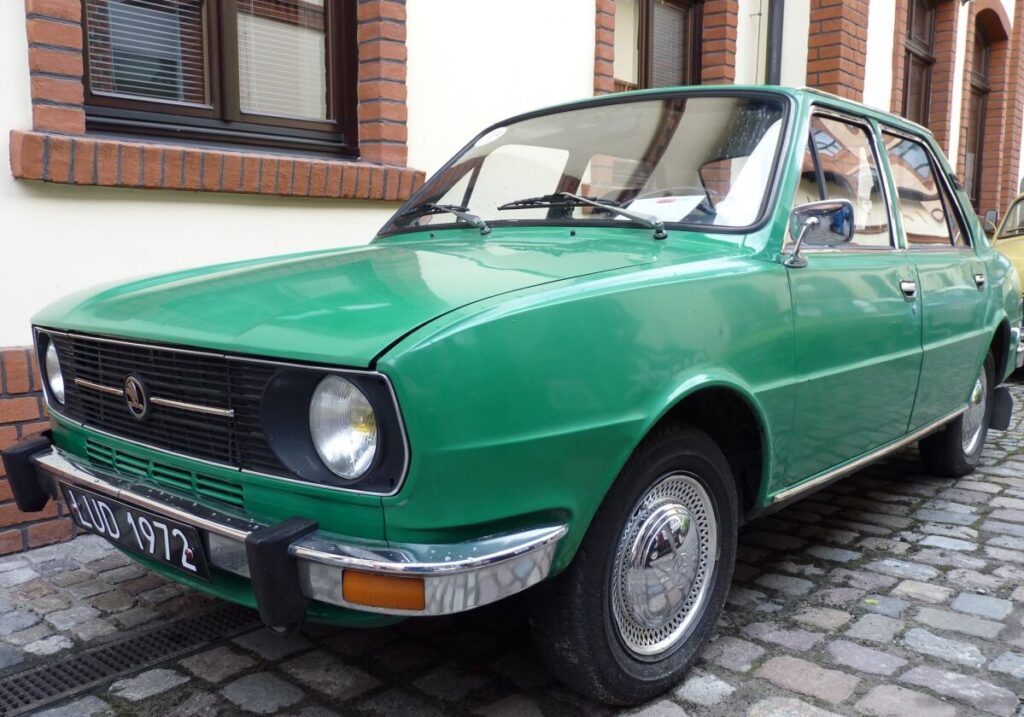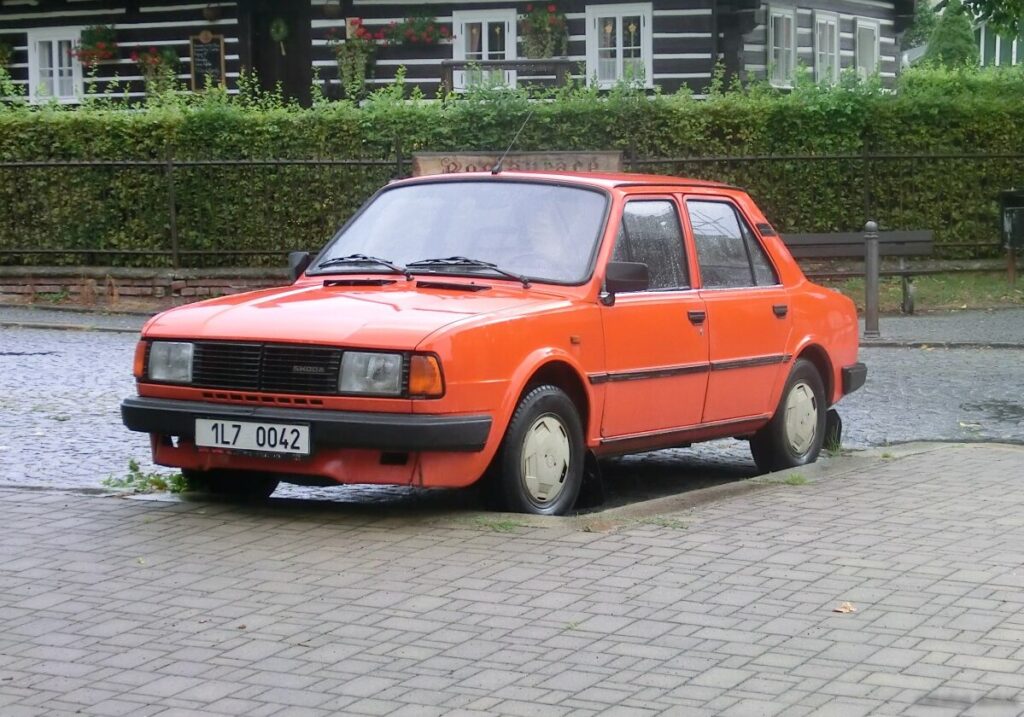
The Škoda 105 and 120 series, internally designated 744, represented a significant modernization for the Czech automaker during the 1980s. Produced from 1983 to 1990, these rear-wheel-drive sedans were based on the aging but continually updated S-105 platform, offering a blend of affordability and practicality for Eastern European and select Western European markets. The 1.2 120 GLS, powered by a 1174cc engine producing 58 horsepower, occupied a mid-range position within the lineup, offering a step up in refinement and performance compared to the base 105 models, while remaining more accessible than the higher-specification trims. This variant aimed to balance fuel economy with acceptable performance for everyday driving.
Technical Specifications
| Brand | Škoda |
| Model | 105, 120 |
| Generation | 105, 120 (744) |
| Type (Engine) | 1.2 120 GLS (58 Hp) |
| Start of production | 1983 |
| End of production | 1990 |
| Powertrain Architecture | Internal Combustion engine |
| Body type | Sedan |
| Seats | 5 |
| Doors | 4 |
| Fuel consumption (urban) | 8.8 l/100 km (26.7 US mpg, 32.1 UK mpg, 11.4 km/l) |
| Fuel consumption (extra urban) | 6.2 l/100 km (37.9 US mpg, 45.6 UK mpg, 16.1 km/l) |
| Fuel consumption (combined) | 7.8 l/100 km (30.2 US mpg, 36.2 UK mpg, 12.8 km/l) |
| Fuel Type | Petrol (Gasoline) |
| Acceleration 0 – 100 km/h | 17 sec |
| Acceleration 0 – 62 mph | 17 sec |
| Acceleration 0 – 60 mph | 16.2 sec |
| Maximum speed | 150 km/h (93.21 mph) |
| Weight-to-power ratio | 22.2 kg/Hp, 45 Hp/tonne |
| Power | 58 Hp |
| Power per litre | 49.4 Hp/l |
| Engine displacement | 1174 cm3 (71.64 cu. in.) |
| Number of cylinders | 4 |
| Engine configuration | Inline |
| Cylinder Bore | 72 mm (2.83 in.) |
| Piston Stroke | 72 mm (2.83 in.) |
| Compression ratio | 9.5:1 |
| Number of valves per cylinder | 2 |
| Fuel injection system | Carburettor |
| Engine aspiration | Naturally aspirated engine |
| Valvetrain | OHC |
| Engine oil capacity | 4.6 l (4.86 US qt | 4.05 UK qt) |
| Coolant capacity | 11.5 l (12.15 US qt | 10.12 UK qt) |
| Kerb Weight | 1290 kg (2843.96 lbs.) |
| Max. weight | 1690 kg (3725.81 lbs.) |
| Max load | 400 kg (881.85 lbs.) |
| Trunk (boot) space – maximum | 400 l (14.13 cu. ft.) |
| Fuel tank capacity | 37 l (9.77 US gal | 8.14 UK gal) |
| Length | 4200 mm (165.35 in.) |
| Width | 1610 mm (63.39 in.) |
| Height | 1400 mm (55.12 in.) |
| Wheelbase | 2400 mm (94.49 in.) |
| Front track | 1390 mm (54.72 in.) |
| Rear (Back) track | 1350 mm (53.15 in.) |
| Drivetrain Architecture | The Internal combustion engine (ICE) drives the rear wheels of the vehicle. |
| Drive wheel | Rear wheel drive |
| Number of gears and type of gearbox | 5 gears, manual transmission |
Powertrain & Engine Architecture
The heart of the 120 GLS was the 1174cc, inline-four cylinder engine. This engine, often referred to by its internal codes (typically 766 or 772 depending on minor variations), featured a single overhead camshaft (OHC) and two valves per cylinder. Fuel delivery was handled by a carburetor, a common feature for vehicles of this era and market segment. The carburetor system, while simple and reliable, contributed to the engine’s relatively modest power output and less-than-optimal fuel efficiency compared to contemporary fuel-injected engines. The engine’s bore and stroke were both 72mm, resulting in a relatively square configuration. The engine was mounted transversely at the rear of the vehicle, a layout inherited from earlier Škoda models and intended to maximize interior space. The five-speed manual transmission was a key component, offering a reasonable spread of gears for both city driving and highway cruising.
Driving Characteristics
The 120 GLS, with its 58 horsepower and 83 lb-ft of torque, offered modest performance. Acceleration from 0 to 60 mph took around 16.2 seconds, and top speed was approximately 93 mph. While not a sports car by any means, the 120 GLS provided adequate power for everyday driving, particularly in urban and rural environments. The rear-wheel-drive configuration provided a balanced feel, although the relatively soft suspension and limited grip meant it wasn’t particularly engaging on winding roads. The five-speed gearbox allowed drivers to keep the engine in its optimal power band, but the carburetor’s response could be somewhat sluggish. Compared to the base 105 models, the 120 GLS offered noticeably improved acceleration and cruising ability. However, it fell short of the performance offered by the more expensive and less common 130 models.
Equipment & Trim Levels
The 120 GLS trim level represented a step up in terms of standard equipment. Interiors typically featured cloth upholstery, although vinyl options were available. The dashboard layout was functional and straightforward, with basic instrumentation including a speedometer, fuel gauge, and temperature gauge. The GLS trim often included features like a more comfortable steering wheel, upgraded door panels, and sometimes, a basic radio. Optional extras included a sunroof, upgraded sound system, and metallic paint finishes. The overall interior ambiance was simple but durable, reflecting the car’s intended purpose as a practical and affordable family vehicle.
Chassis & Braking
The Škoda 120 GLS utilized a relatively simple chassis design. The suspension consisted of independent coil springs at the front and a trailing arm setup with coil springs at the rear. The rear suspension design was a carryover from earlier Škoda models. Braking was accomplished via drum brakes on all four wheels, which were adequate for the car’s weight and performance but lacked the stopping power of disc brakes. Stabilizer bars were typically fitted to the front suspension to reduce body roll, but the overall handling characteristics were geared more towards comfort than sporty driving. The car’s relatively light weight (around 2844 lbs) helped to mitigate the limitations of the braking and suspension systems.
Market Reception & Comparison
The Škoda 120 GLS was generally well-received in its target markets, particularly in Eastern Europe where it offered a relatively modern and reliable vehicle at an affordable price. Critics praised its practicality, durability, and spacious interior. However, the car was often criticized for its outdated design, modest performance, and relatively basic features compared to Western European competitors. Compared to other trims in the 105/120 lineup, the GLS offered a good balance of price and performance. The base 105 models were more affordable but lacked the extra power and refinement of the GLS. The 130 models offered significantly improved performance but came at a higher cost. Fuel economy was reasonable for the time, averaging around 30 mpg in combined driving.
Legacy
The Škoda 120 GLS, and the 105/120 series as a whole, represent an important chapter in the history of the Czech automaker. While the cars are now largely relegated to the realm of classic car enthusiasts, they remain relatively common in some parts of Eastern Europe. The 1174cc engine proved to be remarkably durable, and many examples are still running today. The 120 GLS is appreciated for its simplicity, reliability, and affordability. In the used car market, these vehicles are often sought after by those looking for a classic car that is relatively easy to maintain and repair. The 105/120 series paved the way for Škoda’s eventual integration into the Volkswagen Group and its subsequent rise as a respected automotive brand.