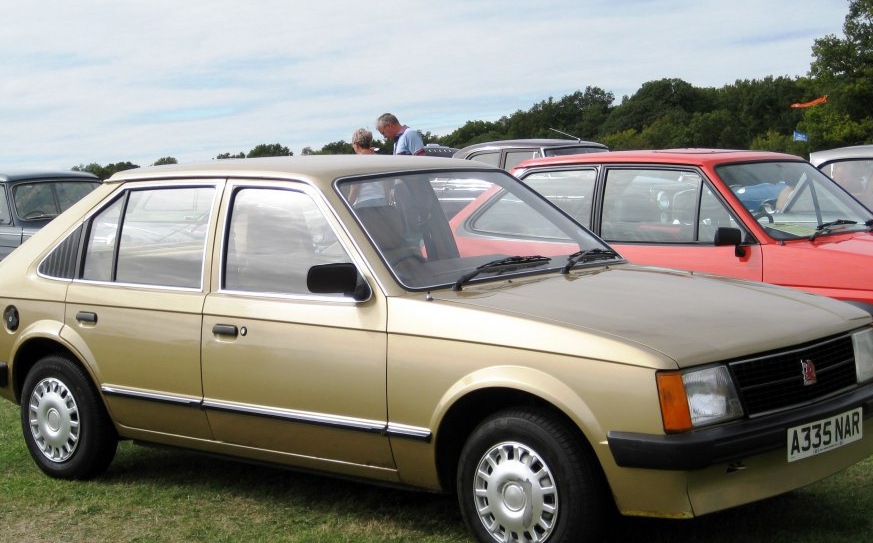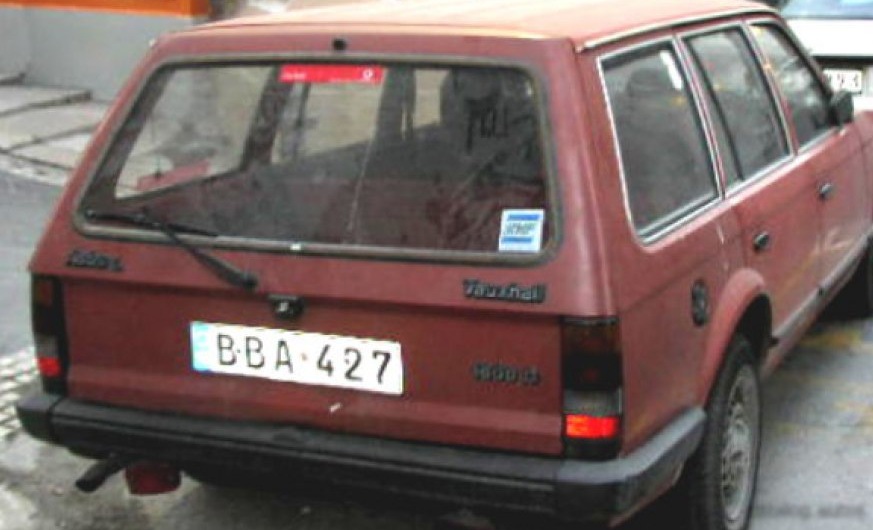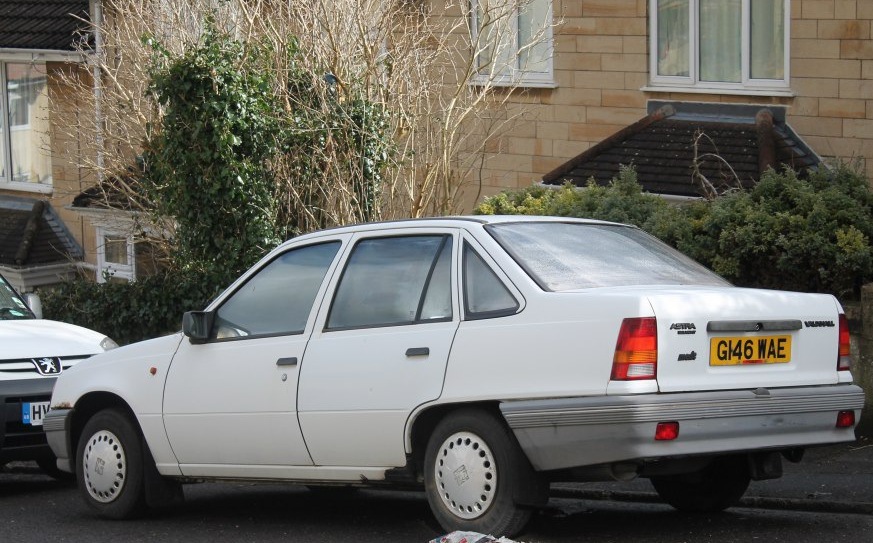
The Vauxhall Astra Mk II Belmont 1.8i, produced between 1984 and 1986, represented a significant offering in the compact sedan segment for the British market. Part of the broader Astra Mk II range (internally designated as the 42E series), the Belmont specifically denoted the four-door sedan body style, distinguishing it from the hatchback and estate variants. This 1.8i model, delivering 115 horsepower, occupied a mid-range position within the Belmont lineup, offering a balance between performance and affordability. It was positioned above the base 1.3 and 1.6 liter models, but below the more performance-oriented versions.
Technical Specifications
| Brand | Vauxhall |
| Model | Astra |
| Generation | Astra Mk II Belmont |
| Type (Engine) | 1.8i (115 Hp) |
| Start of production | 1984 |
| End of production | 1986 |
| Powertrain Architecture | Internal Combustion engine |
| Body type | Sedan |
| Seats | 5 |
| Doors | 4 |
| Fuel Type | Petrol (Gasoline) |
| Power | 115 Hp @ 5500 rpm |
| Power per litre | 64 Hp/l |
| Torque | 160 Nm @ 4600 rpm / 118.01 lb.-ft. @ 4600 rpm |
| Engine layout | Front, Transverse |
| Engine Model/Code | 18E |
| Engine displacement | 1796 cm3 / 109.6 cu. in. |
| Number of cylinders | 4 |
| Engine configuration | Inline |
| Cylinder Bore | 84.8 mm / 3.34 in. |
| Piston Stroke | 79.5 mm / 3.13 in. |
| Compression ratio | 9.5:1 |
| Number of valves per cylinder | 2 |
| Fuel injection system | Single-point injection |
| Engine aspiration | Naturally aspirated engine |
| Engine oil capacity | 3.25 l / 3.43 US qt | 2.86 UK qt |
| Coolant | 7.5 l / 7.93 US qt | 6.6 UK qt |
| Trunk (boot) space – minimum | 550 l / 19.42 cu. ft. |
| Fuel tank capacity | 52 l / 13.74 US gal | 11.44 UK gal |
| Length | 4218 mm / 166.06 in. |
| Width | 1658 mm / 65.28 in. |
| Height | 1400 mm / 55.12 in. |
| Wheelbase | 2520 mm / 99.21 in. |
| Front track | 1400 mm / 55.12 in. |
| Rear (Back) track | 1406 mm / 55.35 in. |
| Drivetrain Architecture | The Internal combustion engine (ICE) drives the front wheels of the vehicle. |
| Drive wheel | Front wheel drive |
| Number of gears and type of gearbox | 5 gears, manual transmission |
Powertrain & Engine Architecture
The heart of the Astra Mk II Belmont 1.8i was the 18E engine, an inline four-cylinder petrol engine displacing 1796cc. This engine utilized a single-point fuel injection system – a relatively common technology for the time – which delivered fuel into the intake manifold rather than directly into the cylinders. The 18E featured a two-valve per cylinder configuration, operated by a single overhead camshaft. This design prioritized simplicity and reliability over outright performance. The engine’s 9.5:1 compression ratio contributed to its respectable power output for its displacement. The 18E engine was known for its durability, though it wasn’t particularly sophisticated by contemporary standards. The five-speed manual transmission was the standard offering, providing drivers with a reasonable degree of control over the engine’s power band.
Driving Characteristics
The 1.8i Belmont offered a noticeable step up in performance compared to the lower-displacement models. With 115 horsepower, acceleration was adequate for everyday driving, though it wasn’t a particularly sporty vehicle. The five-speed manual gearbox allowed drivers to keep the engine within its optimal power range. The gear ratios were fairly conventional, prioritizing fuel economy and drivability over rapid acceleration. Compared to a hypothetical higher-output version, the 1.8i Belmont felt less strained at highway speeds, offering a more relaxed cruising experience. However, it lacked the punch of more powerful engines when overtaking or climbing hills. The front-wheel-drive configuration provided predictable handling, but the Belmont wasn’t designed for aggressive cornering.
Equipment & Trim Levels
The 1.8i Belmont typically came equipped with a reasonable level of standard features for the mid-1980s. These included cloth upholstery, a basic instrument cluster, and manual windows and door locks. Power steering was often an optional extra, as was a sunroof. The interior design was functional and straightforward, prioritizing practicality over luxury. Higher trim levels, such as the ‘LX’ or ‘SR’, offered additional features like upgraded upholstery, central locking, and electric windows. The 1.8i model often served as a base for these higher trim packages, allowing buyers to customize their vehicle with a range of optional extras.
Chassis & Braking
The Astra Mk II Belmont utilized a MacPherson strut front suspension and a twist-beam rear suspension. This setup provided a comfortable ride, though it wasn’t particularly sophisticated. The front brakes were disc brakes, while the rear brakes were typically drum brakes – a cost-saving measure common in vehicles of this era. Stabilizer bars were fitted to both the front and rear axles to reduce body roll during cornering. The suspension was tuned for comfort and stability, rather than sporty handling. The relatively lightweight construction of the Belmont helped to offset the limitations of the suspension and braking systems.
Market Reception & Comparison
The Vauxhall Astra Mk II Belmont 1.8i was generally well-received by automotive critics as a practical and reliable family sedan. It offered a good balance between performance, fuel economy, and affordability. Compared to the 1.3 and 1.6 liter models, the 1.8i provided a noticeable improvement in performance, making it a more appealing option for drivers who frequently traveled on motorways or carried passengers. However, it wasn’t as fuel-efficient as the smaller-engined versions. In terms of reliability, the 18E engine proved to be durable and relatively trouble-free, contributing to the Belmont’s positive reputation.
Legacy
The Astra Mk II Belmont 1.8i, while not a particularly rare or collectible vehicle today, holds a nostalgic appeal for many enthusiasts. The 18E engine, while superseded by more modern designs, is still regarded as a robust and reliable unit. Well-maintained examples of the Belmont 1.8i can still be found on the used car market, often at affordable prices. The car represents a significant chapter in Vauxhall’s history, and its simple, durable design continues to appeal to those seeking a classic British family car. Parts availability is generally good, making it a relatively easy vehicle to maintain and restore. The Belmont 1.8i remains a testament to the enduring appeal of practical, well-engineered automobiles.