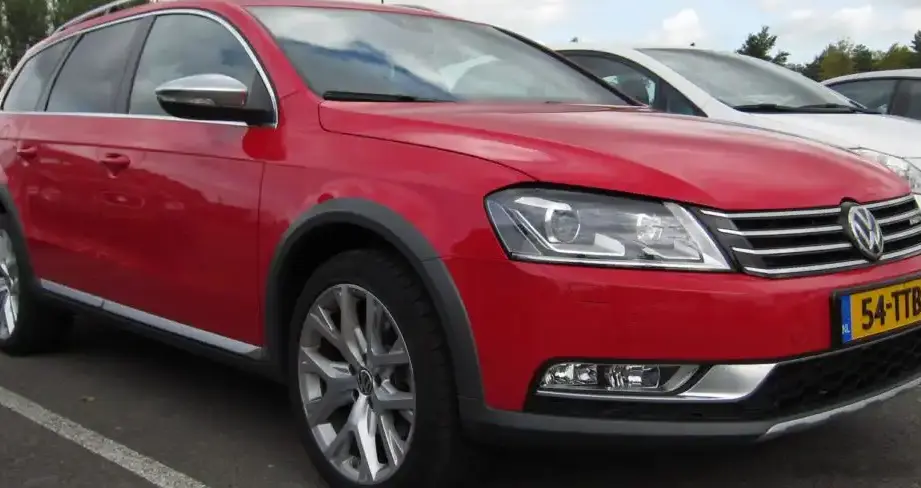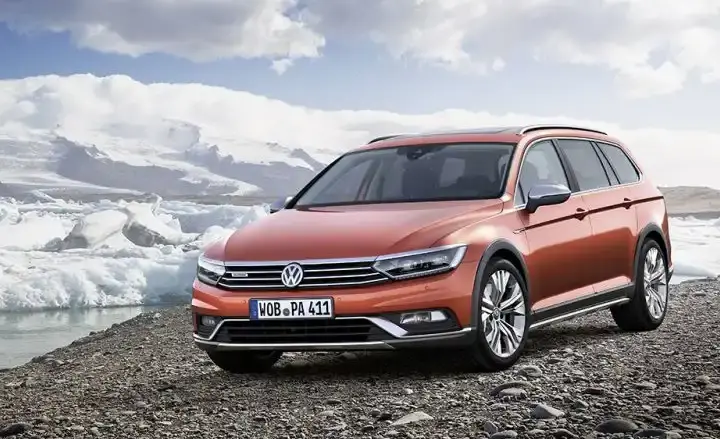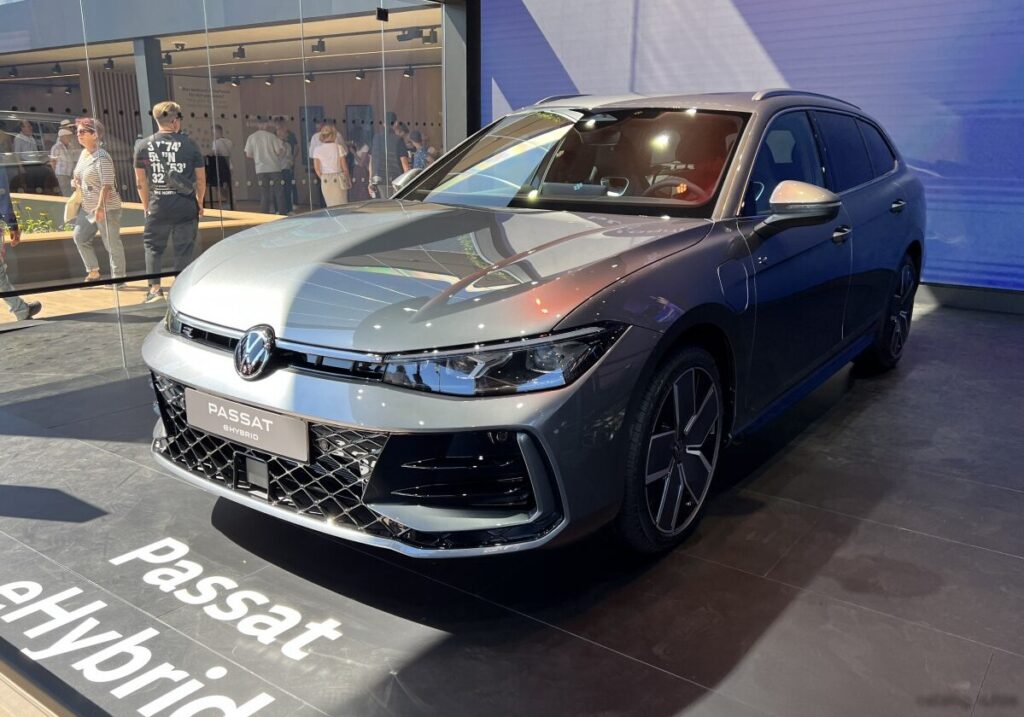
The Volkswagen Passat Variant (B9) 2.0 TDI 150 hp DSG is a front-wheel-drive, five-door station wagon introduced in 2023. Representing the ninth generation of the Passat, the B9 model marked a significant shift for the nameplate, being exclusively offered as a Variant (estate) and developed in collaboration with Škoda, sharing its platform with the Škoda Superb. This iteration of the Passat aimed to blend practicality, efficiency, and modern technology, primarily targeting the European market where the station wagon body style remains popular. The 2.0 TDI 150 hp variant occupied a central position in the B9 Passat lineup, offering a balance between fuel economy, performance, and price, appealing to families and drivers prioritizing long-distance comfort.
Technical Specifications
| Brand | Volkswagen |
| Model | Passat |
| Generation | Passat Variant (B9) |
| Type (Engine) | 2.0 TDI (150 Hp) DSG |
| Start of production | 2023 |
| Powertrain Architecture | Internal Combustion engine |
| Body type | Station wagon (estate) |
| Seats | 5 |
| Doors | 5 |
| Fuel consumption at Low speed (WLTP) | 7.1 l/100 km (33.1 US mpg, 39.8 UK mpg, 14.1 km/l) |
| Fuel consumption at Medium speed (WLTP) | 5 l/100 km (47 US mpg, 56.5 UK mpg, 20 km/l) |
| Fuel consumption at high speed (WLTP) | 4.2 l/100 km (56 US mpg, 67.3 UK mpg, 23.8 km/l) |
| Fuel consumption at very high speed (WLTP) | 4.7 l/100 km (50 US mpg, 60.1 UK mpg, 21.3 km/l) |
| Combined fuel consumption (WLTP) | 4.9 l/100 km (48 US mpg, 57.6 UK mpg, 20.4 km/l) |
| CO2 emissions (WLTP) | 129 g/km |
| Fuel Type | Diesel |
| Acceleration 0 – 100 km/h | 9.3 sec |
| Acceleration 0 – 62 mph | 9.3 sec |
| Acceleration 0 – 60 mph | 8.8 sec |
| Maximum speed | 223 km/h (138.57 mph) |
| Emission standard | Euro 6 EA |
| Weight-to-power ratio | 11.2 kg/Hp, 89.4 Hp/tonne |
| Weight-to-torque ratio | 4.7 kg/Nm, 214.5 Nm/tonne |
| Power | 150 Hp |
| Power per litre | 76.2 Hp/l |
| Torque | 360 Nm @ 1600-2750 rpm (265.52 lb.-ft. @ 1600-2750 rpm) |
| Engine layout | Front, Transverse |
| Engine Model/Code | EA288 evo / DXPA |
| Engine displacement | 1968 cm3 (120.09 cu. in.) |
| Number of cylinders | 4 |
| Engine configuration | Inline |
| Cylinder Bore | 81 mm (3.19 in.) |
| Piston Stroke | 95.5 mm (3.76 in.) |
| Number of valves per cylinder | 4 |
| Fuel injection system | Diesel Commonrail |
| Engine aspiration | Turbocharger, Intercooler |
| Valvetrain | DOHC |
| Engine oil capacity | 5.5 l (5.81 US qt | 4.84 UK qt) |
| Kerb Weight | 1678 kg (3699.36 lbs.) |
| Max. weight | 2240 kg (4938.35 lbs.) |
| Max load | 562 kg (1239 lbs.) |
| Trunk (boot) space – minimum | 690 l (24.37 cu. ft.) |
| Trunk (boot) space – maximum | 1920 l (67.8 cu. ft.) |
| Fuel tank capacity | 66 l (17.44 US gal | 14.52 UK gal) |
| Max. roof load | 100 kg (220.46 lbs.) |
| Permitted trailer load with brakes (8%) | 2200 kg (4850.17 lbs.) |
| Permitted trailer load with brakes (12%) | 2000 kg (4409.25 lbs.) |
| Permitted trailer load without brakes | 750 kg (1653.47 lbs.) |
| Permitted towbar download | 90 kg (198.42 lbs.) |
| Length | 4917 mm (193.58 in.) |
| Width | 1849 mm (72.8 in.) |
| Width including mirrors | 2090 mm (82.28 in.) |
| Height | 1497 mm (58.94 in.) |
| Wheelbase | 2841 mm (111.85 in.) |
| Front track | 1577-1585 mm (62.09 – 62.4 in.) |
| Rear (Back) track | 1560-1574 mm (61.42 – 61.97 in.) |
| Front overhang | 957 mm (37.68 in.) |
| Rear overhang | 1119 mm (44.06 in.) |
| Drag coefficient (Cd) | 0.25 |
| Minimum turning circle (turning diameter) | 12 m (39.37 ft.) |
| Drivetrain Architecture | The Internal combustion engine (ICE) drives the front wheels of the vehicle. |
| Drive wheel | Front wheel drive |
| Number of gears and type of gearbox | 7 gears, automatic transmission DSG |
| Front suspension | Independent, type McPherson with coil spring and anti-roll bar |
| Front brakes | Ventilated discs |
| Tires size | 215/60 R16; 215/55 R17; 235/45 R18 |
| Wheel rims size | 7J x 16; 7.5J x 17; 8J x 18 |
Powertrain & Engine Architecture
The heart of the Passat Variant B9 2.0 TDI 150 hp is the EA288 evo series diesel engine, specifically the DXPA code. This is a 1968cc, inline-four cylinder engine featuring common-rail direct injection and a turbocharger with intercooling. The EA288 evo represents a further refinement of Volkswagen’s diesel engine family, incorporating technologies to reduce emissions and improve efficiency. The engine utilizes a sophisticated fuel injection system capable of multiple injections per combustion cycle, optimizing combustion for power and reduced particulate matter. The valvetrain employs a dual overhead camshaft (DOHC) design with four valves per cylinder, enhancing volumetric efficiency. Paired with the engine is a 7-speed dual-clutch transmission (DSG), known for its quick and smooth gear changes. The DSG transmission contributes to both performance and fuel economy, offering both automatic and manual shift modes.
Driving Characteristics
The 150 hp 2.0 TDI with the DSG transmission delivers a balanced driving experience. Acceleration from 0-62 mph takes approximately 9.3 seconds, and top speed is rated at 138.57 mph. While not a performance-oriented variant, the engine provides ample torque (360 Nm or 265.52 lb-ft) from 1600-2750 rpm, making it well-suited for everyday driving and highway cruising. The DSG transmission effectively manages the engine’s power, providing responsive shifts and contributing to a smooth ride. Compared to higher-output TDI variants, this version prioritizes fuel efficiency over outright speed. The gear ratios are tuned for optimal fuel economy, and the engine feels relaxed at highway speeds. Compared to a manual transmission equipped Passat, the DSG offers convenience and ease of use, particularly in urban environments.
Equipment & Trim Levels
The 2.0 TDI 150 hp DSG variant typically came equipped with a solid base level of features. Standard equipment often included automatic climate control, a touchscreen infotainment system with smartphone integration (Apple CarPlay and Android Auto), and a suite of driver-assistance systems such as adaptive cruise control and lane-keeping assist. Interior upholstery was typically cloth, with options for leather upgrades. Trim levels varied by market, but generally offered progressively more features such as larger infotainment screens, premium audio systems, and advanced safety technologies. Optional extras included a panoramic sunroof, heated seats, and parking assist systems.
Chassis & Braking
The B9 Passat Variant features an independent McPherson strut front suspension and a multi-link rear suspension, providing a comfortable and controlled ride. The suspension is tuned to balance ride comfort with handling stability. Braking duties are handled by ventilated disc brakes at the front and typically solid disc brakes at the rear. Anti-lock braking system (ABS) and electronic stability control (ESC) are standard features. The chassis is designed to minimize weight while maximizing rigidity, contributing to improved handling and safety.
Market Reception & Comparison
The Passat Variant B9 2.0 TDI 150 hp DSG was generally well-received by automotive critics. It was praised for its fuel efficiency, comfortable ride, and spacious interior. Critics noted that while not the most exciting variant in the lineup, it represented a practical and sensible choice for buyers prioritizing economy and practicality. Compared to the more powerful TDI variants, the 150 hp version offered a lower price point and better fuel economy. Compared to gasoline-powered Passat variants, the TDI offered superior fuel efficiency and torque, making it a popular choice for long-distance drivers.
Legacy
The EA288 evo engine family, including the DXPA code used in the Passat B9 2.0 TDI 150 hp, has proven to be a reliable and durable powertrain. While diesel engines have faced increased scrutiny regarding emissions, the EA288 evo incorporates advanced technologies to minimize environmental impact. On the used car market, the B9 Passat 2.0 TDI 150 hp DSG is considered a solid and dependable option, offering a good balance of practicality, efficiency, and comfort. Regular maintenance, including timely oil changes and adherence to manufacturer-recommended service intervals, is crucial for ensuring the long-term reliability of this powertrain.