Technical Specifications
| Brand | Škoda |
| Model | 110 |
| Generation | 110 |
| Type (Engine) | 1.1 L (48 Hp) |
| Start of production | 1969 |
| End of production | 1977 |
| Powertrain Architecture | Internal Combustion engine |
| Body type | Sedan |
| Seats | 5 |
| Doors | 4 |
| Fuel Type | Petrol (Gasoline) |
| Acceleration 0 – 100 km/h | 20 sec |
| Acceleration 0 – 62 mph | 20 sec |
| Acceleration 0 – 60 mph | 19 sec |
| Maximum speed | 135 km/h (83.89 mph) |
| Power | 48 Hp |
| Engine aspiration | Naturally aspirated engine |
| Engine oil capacity | 4 l (4.23 US qt | 3.52 UK qt) |
| Coolant capacity | 6.8 l (7.19 US qt | 5.98 UK qt) |
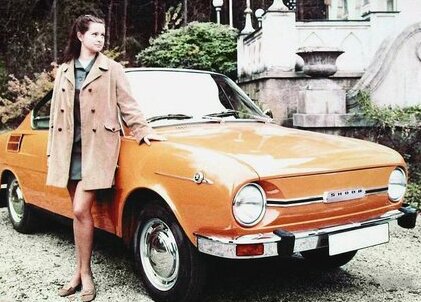
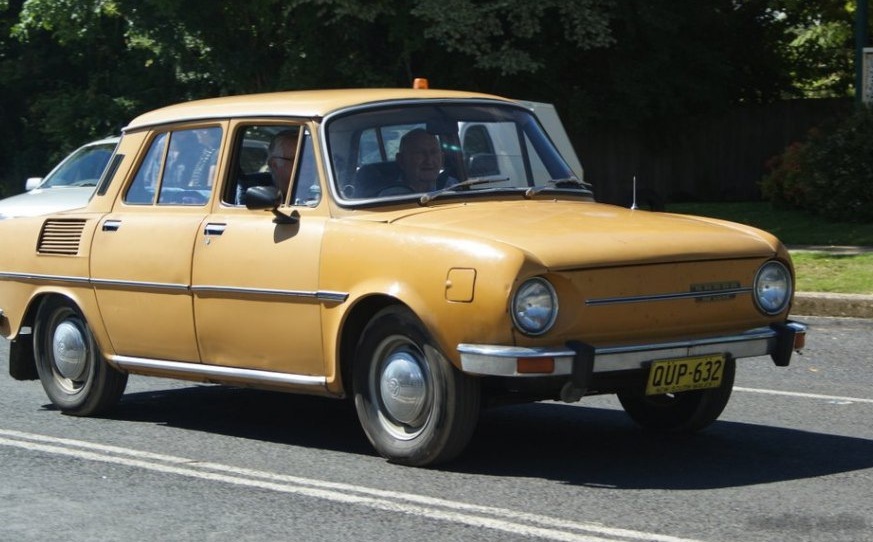
The Škoda 110 1.1 L represents a pivotal moment in Škoda’s history, manufactured from 1969 to 1977. This variant was a cornerstone of the 110 series, a significant evolution from the earlier Škoda 1000 MB and 1100 MB models. The 110 series, and particularly this 1.1L engine option, aimed to deliver a more contemporary and accessible vehicle to the Czechoslovakian market, and subsequently, to export markets within the Eastern Bloc and Western Europe. Built upon Škoda’s long-established rear-engine, rear-wheel-drive layout, the 110 incorporated updated styling and mechanical enhancements. It was a crucial model for Škoda during a period of increasing automotive competition and evolving consumer preferences.
Powertrain & Engine Architecture
The Škoda 110 1.1 L was powered by a 1,108 cc (67.6 cubic inch) inline-four cylinder, naturally aspirated engine. This engine, designated the 742.11, was a refinement of previous Škoda engines, featuring an overhead camshaft and a relatively straightforward, yet durable, design. Fuel delivery was handled by a Solex JIKOV 32 carburetor, a common choice for vehicles of this era and price point. The engine produced 48 horsepower at 5,200 rpm and 66 lb-ft of torque at 3,400 rpm, achieved through a compression ratio of 8.8:1. It was paired with a four-speed manual transmission, the standard offering. The rear-engine configuration necessitated a transaxle design, integrating the transmission and differential into a single unit. The engine block was constructed from cast iron for durability, while the cylinder head was made of aluminum alloy. The valvetrain utilized pushrods and rocker arms, a cost-effective and reliable system for the time.
Driving Characteristics
The Škoda 110 1.1 L provided a driving experience typical of rear-engined cars of the period. Acceleration was modest, taking approximately 19 seconds to reach 60 mph. The car’s relatively light weight – around 2,200 lbs – helped to offset the low horsepower. Handling was characterized by a tendency towards oversteer, a common trait of rear-engined vehicles, requiring careful throttle control, especially on wet or slippery surfaces. The four-speed manual transmission offered adequate gear spacing for everyday driving, but didn’t provide particularly sporty performance. The engine was relatively quiet and smooth for its displacement, though it lacked the refinement of more modern engines. The rear-engine layout also impacted weight distribution, resulting in a somewhat bouncy ride, particularly over uneven roads. Compared to the later Škoda 110 LS, equipped with a larger 1.3-liter engine and more power, the 1.1 L version was noticeably slower and struggled more on inclines or when carrying a full load.
Equipment & Trim Levels
The Škoda 110 1.1 L was generally equipped with a fairly basic level of standard features, reflecting its position as an affordable family car. Standard amenities included cloth upholstery, a simple instrument panel with a speedometer, fuel gauge, and warning lights, and manually operated windows and door locks. The interior was functional and durable, but lacked the luxurious appointments found in more expensive vehicles. Optional extras included a radio, a heated rear window, and upgraded upholstery. Exterior trim was also relatively simple, featuring chrome bumpers and brightwork for visual appeal. The 110 was available in a range of solid colors, with the option of two-tone paint schemes. The trim level remained largely consistent throughout the production run, with minor variations in interior materials and exterior detailing.
Chassis & Braking
The Škoda 110 1.1 L employed a traditional chassis design, utilizing a separate body-on-frame construction. The suspension consisted of independent trailing arms at the rear, a necessity due to the rear-engine layout, and independent coil springs at the front. The rear suspension incorporated a transverse leaf spring to help control axle movement. The steering was of the worm-and-roller type, providing adequate, but not particularly precise, control. Braking was accomplished by drum brakes on all four wheels, sufficient for normal driving conditions but lacking the stopping power of disc brakes. The car’s relatively light weight helped to compensate for the limitations of the drum brakes. Stabilizer bars were not typically fitted to the 110 1.1 L, contributing to noticeable body roll during cornering.
Market Reception & Comparison
The Škoda 110 1.1 L was generally well-received in its target markets, particularly in Czechoslovakia and other Eastern Bloc countries. It offered a practical and affordable transportation solution for families. Critics praised its durability and reliability, but noted its modest performance and somewhat dated design. Compared to other vehicles in its class, such as the Fiat 850 or the Renault 8, the Škoda 110 offered a more spacious interior and a more robust construction. However, it lacked the refinement and performance of its Western European competitors. Fuel economy was reasonable for the time, averaging around 35-40 mpg. The 1.3-liter Škoda 110 LS offered significantly improved performance and was considered a more desirable option for buyers willing to spend more. The 1.1L version was often viewed as the entry-level model, appealing to budget-conscious consumers.
Legacy
The Škoda 110 1.1 L, while not a revolutionary vehicle, played a significant role in the evolution of the Škoda brand. It represented a modernization of Škoda’s traditional rear-engined designs and helped establish the company as a producer of reliable and affordable automobiles. Today, the Škoda 110 1.1 L is a popular classic car among enthusiasts, particularly in Eastern Europe. The engine is known for its durability, but may require maintenance due to its age. Parts availability can be challenging, but a dedicated community of Škoda enthusiasts helps to keep these cars on the road. The 110 series, and the 1.1L variant specifically, is fondly remembered as a symbol of Czechoslovakian automotive engineering and a testament to the enduring appeal of simple, reliable transportation.