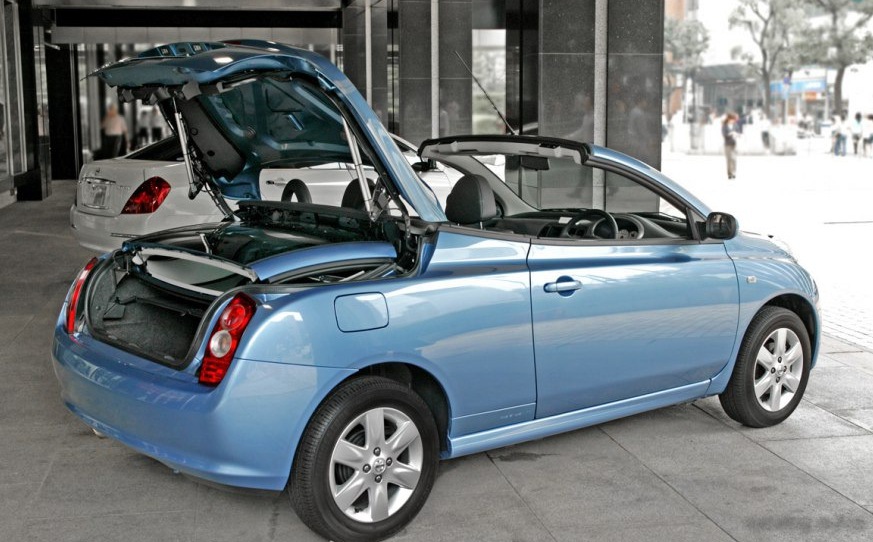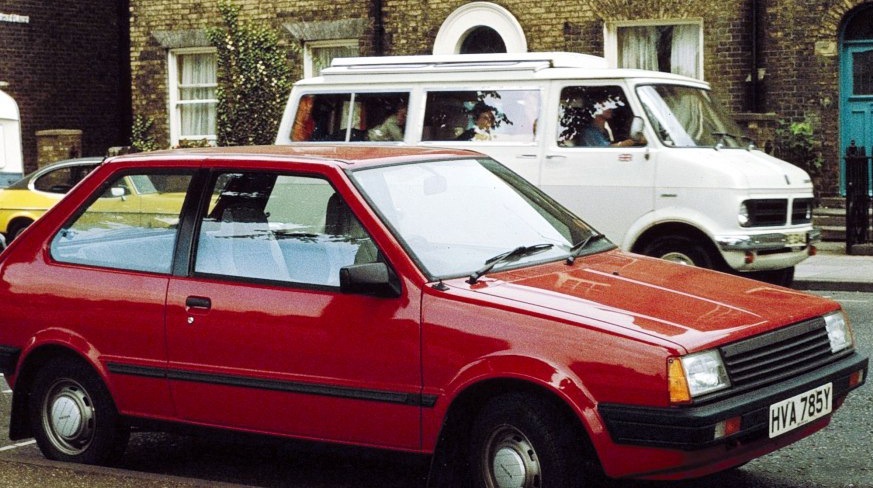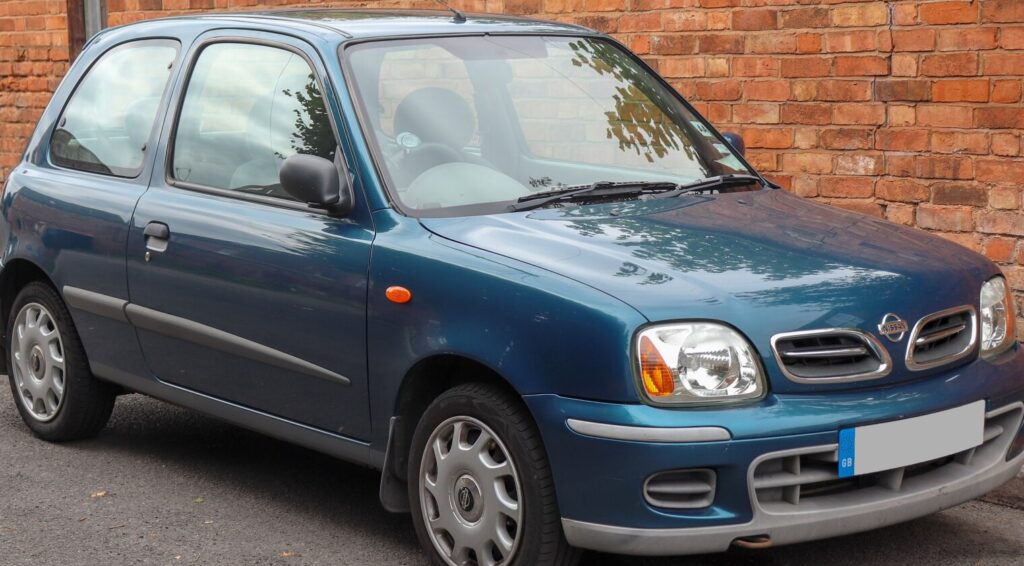
The Nissan Micra K11, produced from 1992 to 2002, represented a significant step forward for Nissan’s supermini offering. The K11 generation, particularly the models produced from 2000-2002, saw refinements to styling and equipment. Within this generation, the 1.4-liter (82 horsepower) variant occupied a middle ground in the lineup, offering a balance between affordability, fuel economy, and acceptable performance. This version was available in both 3-door and 5-door body styles, catering to a wider range of buyers. It was primarily marketed in Europe and other international markets, where small, economical cars were in high demand. The 1.4L engine was a popular choice for buyers who wanted a bit more power than the base 1.0L engine, but didn’t require the higher running costs associated with the larger 1.6L models.
Technical Specifications
| Brand | Nissan |
| Model | Micra |
| Generation | Micra (K11) |
| Type (Engine) | 1.4 (82 Hp) |
| Start of production | 2000 year |
| End of production | 2002 year |
| Powertrain Architecture | Internal Combustion engine |
| Body type | Hatchback |
| Seats | 5 |
| Doors | 3/5 |
| Fuel consumption (urban) | 7.7 l/100 km (30.5 US mpg) |
| Fuel consumption (extra urban) | 5.2 l/100 km (45.2 US mpg) |
| Fuel Type | Petrol (Gasoline) |
| Acceleration 0 – 100 km/h | 11.9 sec |
| Acceleration 0 – 62 mph | 11.9 sec |
| Acceleration 0 – 60 mph | 11.3 sec |
| Maximum speed | 170 km/h (105.63 mph) |
| Weight-to-power ratio | 10.5 kg/Hp |
| Weight-to-torque ratio | 8 kg/Nm |
| Power | 82 Hp @ 6000 rpm |
| Torque | 108 Nm @ 2800 rpm (79.66 lb.-ft. @ 2800 rpm) |
| Engine layout | Front, Transverse |
| Engine Model/Code | CGA3DE |
| Engine displacement | 1348 cm3 (82.26 cu. in.) |
| Number of cylinders | 4 |
| Engine configuration | Inline |
| Cylinder Bore | 72 mm (2.83 in.) |
| Piston Stroke | 82.8 mm (3.26 in.) |
| Compression ratio | 9.5:1 |
| Number of valves per cylinder | 4 |
| Fuel injection system | Multi-port manifold injection |
| Engine oil capacity | 3.1 l (3.28 US qt | 2.73 UK qt) |
| Coolant capacity | 4.15 l (4.39 US qt | 3.65 UK qt) |
| Kerb Weight | 865 kg (1907 lbs.) |
| Max. weight | 1360 kg (2998.29 lbs.) |
| Max load | 495 kg (1091.29 lbs.) |
| Trunk (boot) space – minimum | 205 l (7.24 cu. ft.) |
| Trunk (boot) space – maximum | 960 l (33.9 cu. ft.) |
| Fuel tank capacity | 42 l (11.1 US gal | 9.24 UK gal) |
| Length | 3746 mm (147.48 in.) |
| Width | 1595 mm (62.8 in.) |
| Height | 1440 mm (56.69 in.) |
| Wheelbase | 2360 mm (92.91 in.) |
| Front track | 1360 mm (53.54 in.) |
| Rear track | 1325 mm (52.17 in.) |
| Drivetrain Architecture | Front wheel drive |
| Number of gears | 5 |
| Gearbox type | Manual transmission |
| Front suspension | Wishbone |
| Rear suspension | Spring Strut |
| Front brakes | Ventilated discs |
| Rear brakes | Drum |
| Assisting systems | ABS (Anti-lock braking system) |
| Steering type | Steering rack and pinion |
| Power steering | Hydraulic Steering |
| Tires size | 165/60 R14 |
Powertrain & Engine Architecture
The heart of the K11 1.4 was the CGA3DE engine, a 1.4-liter inline-four cylinder gasoline engine. This engine featured a single overhead camshaft (SOHC) valvetrain with four valves per cylinder. It utilized a multi-port fuel injection system, providing a reasonable balance between fuel efficiency and performance. The CGA3DE produced 82 horsepower at 6000 rpm and 108 Nm (79.66 lb-ft) of torque at 2800 rpm. The engine’s design prioritized reliability and low-cost maintenance over outright performance. The engine was transversely mounted, driving the front wheels. The standard transmission for this variant was a five-speed manual gearbox, although a four-speed automatic transmission was also available, albeit less common. The automatic transmission, while offering convenience, did noticeably impact acceleration and fuel economy.
Driving Characteristics
The 1.4-liter Micra K11 offered a comfortable, if not particularly exciting, driving experience. With 82 horsepower, acceleration was adequate for city driving and short highway trips. The 0-60 mph time of around 11.3 seconds reflects this. The five-speed manual transmission allowed drivers to keep the engine in its optimal power band, providing better responsiveness. The automatic transmission, while smooth, resulted in slower acceleration and required more frequent downshifts when overtaking. The steering was light and precise, making it easy to maneuver in urban environments. The suspension, while basic, provided a reasonably comfortable ride, absorbing most road imperfections without excessive body roll. Compared to the 1.0-liter version, the 1.4 offered a noticeable improvement in performance, particularly when fully loaded or climbing hills. However, it lacked the punch of the 1.6-liter models.
Equipment & Trim Levels
The 1.4-liter Micra K11 typically came equipped with basic but functional features. Standard equipment included power steering, central locking, and an AM/FM radio. Higher trim levels, such as the ‘SE’ or ‘S’, added features like electric windows, alloy wheels, and a more refined interior trim. Interior upholstery was typically cloth, with a simple dashboard layout. Optional extras included air conditioning, a sunroof, and upgraded audio systems. The interior space was relatively generous for a supermini, offering comfortable seating for five adults, although rear legroom could be limited. The 3-door model offered a slightly sportier appearance, while the 5-door version prioritized practicality.
Chassis & Braking
The K11 Micra utilized a front-wheel-drive layout with a relatively simple chassis design. The front suspension featured independent wishbones, while the rear suspension employed a torsion beam setup. This configuration provided a good balance between ride comfort and handling. Braking duties were handled by ventilated discs on the front wheels and drum brakes on the rear. Anti-lock Braking System (ABS) was available as an option, enhancing safety in emergency braking situations. The steering system was a rack and pinion type, providing precise and responsive steering feel. The relatively lightweight construction of the K11 contributed to its nimble handling characteristics.
Market Reception & Comparison
The Nissan Micra K11 1.4 was generally well-received by automotive critics as a practical and economical city car. It was praised for its reliability, fuel efficiency, and ease of driving. However, it was also criticized for its lack of performance and somewhat basic interior. Compared to rivals like the Ford Fiesta and Volkswagen Polo, the Micra offered a competitive price point and a reputation for dependability. The 1.4-liter engine provided a good compromise between performance and fuel economy, making it a popular choice for buyers who wanted a bit more power than the base 1.0-liter model. Fuel economy figures of around 30.5 US mpg (urban) and 45.2 US mpg (extra urban) were considered respectable for its time.
Legacy
The Nissan Micra K11 1.4 has proven to be a remarkably durable and reliable vehicle. Many examples are still on the road today, testament to the quality of its engineering and construction. The CGA3DE engine is known for its longevity and relatively low maintenance costs. In the used car market, the K11 1.4 remains an affordable and practical option for those seeking a reliable city car. While it may not offer the latest technology or performance, its simplicity and dependability continue to appeal to a wide range of buyers. The K11 generation Micra played a significant role in establishing Nissan as a major player in the European supermini segment, paving the way for future generations of the Micra.