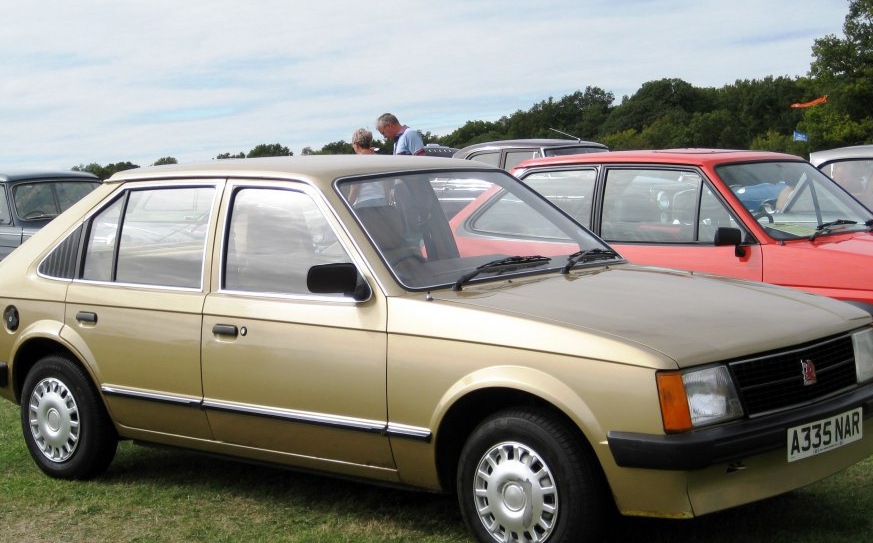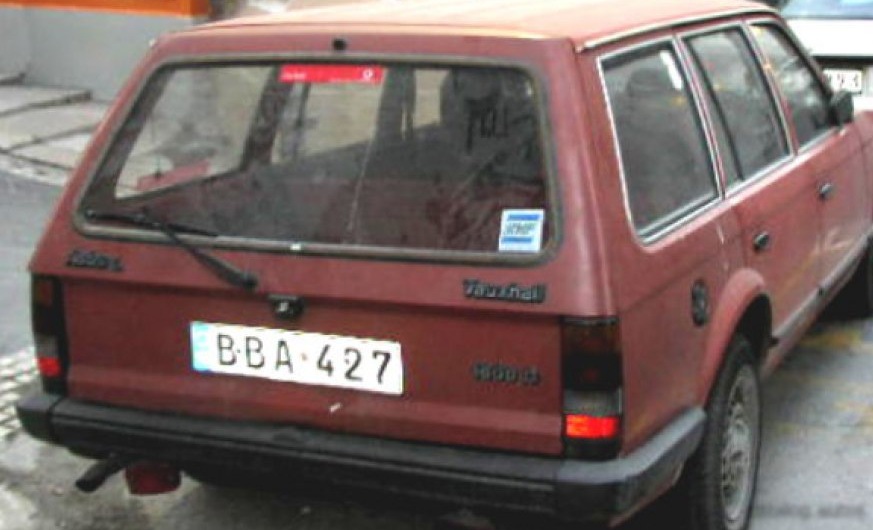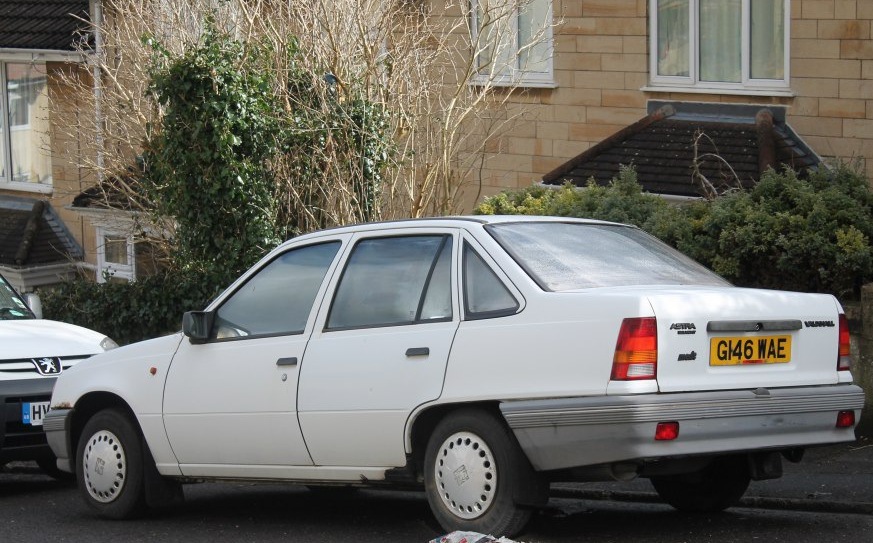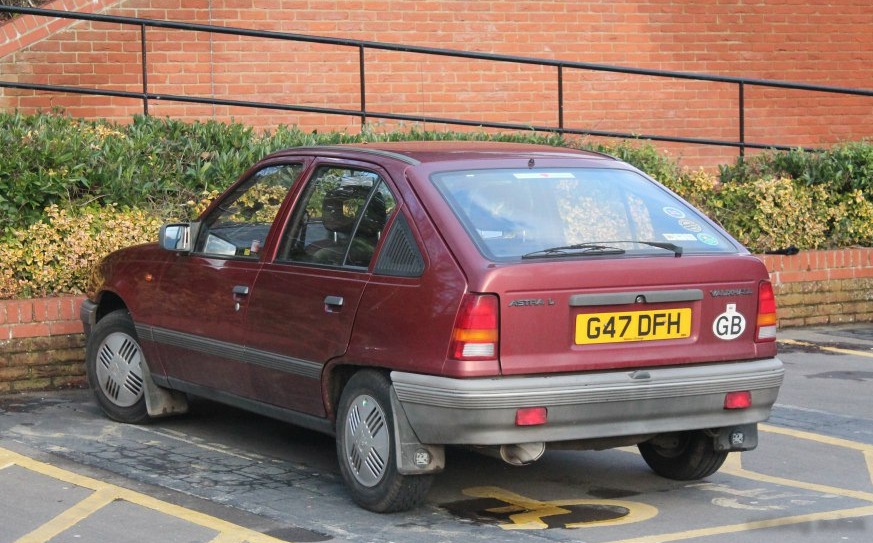
The Vauxhall Astra Mk II, produced between 1984 and 1986, represented a significant step forward for Vauxhall in the competitive small family car segment. The “CC” designation denoted the coupe/hatchback body style. Within the Mk II range, the 1.6 S (90 hp) variant occupied a middle ground, offering a balance between affordability and acceptable performance. It aimed to appeal to buyers seeking a slightly more spirited driving experience than the base models, without the higher price tag of the more powerful versions. This model was a key part of Vauxhall’s strategy to gain market share in the UK and Europe.
Technical Specifications
| Brand | Vauxhall |
| Model | Astra |
| Generation | Astra Mk II CC |
| Type (Engine) | 1.6 S (90 Hp) |
| Start of production | 1984 |
| End of production | 1986 |
| Powertrain Architecture | Internal Combustion engine |
| Body type | Hatchback |
| Seats | 5 |
| Doors | 3-5 |
| Fuel Type | Petrol (Gasoline) |
| Power | 90 Hp |
| Power per litre | 56.3 Hp/l |
| Torque | 123 Nm @ 4000 rpm / 90.72 lb.-ft. @ 4000 rpm |
| Engine layout | Front, Transverse |
| Engine Model/Code | 16SH |
| Engine displacement | 1598 cm3 / 97.52 cu. in. |
| Number of cylinders | 4 |
| Engine configuration | Inline |
| Cylinder Bore | 79 mm / 3.11 in. |
| Piston Stroke | 81.5 mm / 3.21 in. |
| Compression ratio | 9.2:1 |
| Number of valves per cylinder | 2 |
| Fuel injection system | Carburettor |
| Engine aspiration | Naturally aspirated engine |
| Engine oil capacity | 3.25 l / 3.43 US qt | 2.86 UK qt |
| Coolant | 7.7 l / 8.14 US qt | 6.78 UK qt |
| Trunk (boot) space – minimum | 390 l / 13.77 cu. ft. |
| Trunk (boot) space – maximum | 1000 l / 35.31 cu. ft. |
| Length | 3998 mm / 157.4 in. |
| Width | 1663 mm / 65.47 in. |
| Height | 1400 mm / 55.12 in. |
| Wheelbase | 2520 mm / 99.21 in. |
| Front track | 1400 mm / 55.12 in. |
| Rear (Back) track | 1405 mm / 55.31 in. |
| Drivetrain Architecture | The Internal combustion engine (ICE) drives the front wheels of the vehicle. |
| Drive wheel | Front wheel drive |
| Number of gears and type of gearbox | 5 gears, manual transmission |
Powertrain & Engine Architecture
The heart of the Astra 1.6 S was the 16SH engine, a 1.6-liter inline-four cylinder petrol engine. This engine utilized a relatively simple carbureted fuel system, common for the era, rather than fuel injection. The engine featured a single overhead camshaft (SOHC) operating two valves per cylinder. This configuration, while not particularly advanced, provided a good balance of reliability and cost-effectiveness. The 90 horsepower output was achieved through a compression ratio of 9.2:1 and careful tuning of the carburetion. The engine’s transverse mounting and front-wheel drive layout were typical for European hatchbacks of the time, maximizing interior space and improving packaging. The 5-speed manual transmission was the standard offering, providing drivers with a reasonable degree of control over the engine’s power band.
Driving Characteristics
The 1.6 S, with its 90 hp, offered a noticeable improvement in performance over the base 1.3-liter models. While not a sports car by any means, it provided adequate acceleration for everyday driving and was capable of comfortably maintaining highway speeds. The five-speed gearbox allowed drivers to keep the engine in its optimal power range, although the carbureted engine lacked the responsiveness of more modern fuel-injected units. Compared to the later 1.8-liter and diesel variants, the 1.6 S felt less refined and had a narrower power band. The gear ratios were tuned for a balance of acceleration and fuel economy, prioritizing usability over outright performance. The front-wheel drive configuration provided predictable handling, but under hard acceleration, some torque steer could be experienced.
Equipment & Trim Levels
The “S” designation indicated a slightly higher trim level than the base Astra models. Standard equipment typically included cloth upholstery, a basic instrument cluster, and a steering wheel. Optional extras could include a sunroof, upgraded stereo system, and central locking. The interior design was functional and straightforward, reflecting the car’s focus on practicality. The dashboard layout was simple and easy to use, with clearly marked controls. The 3 or 5-door configuration offered varying levels of practicality, with the 5-door version providing easier access to the rear seats.
Chassis & Braking
The Astra Mk II utilized a MacPherson strut front suspension and a twist-beam rear suspension. This setup provided a comfortable ride quality, although it wasn’t particularly sporty. The front brakes were typically disc brakes, while the rear brakes were often drum brakes, a cost-saving measure common in this class of vehicle. Stabilizer bars were fitted to both the front and rear axles to reduce body roll during cornering. The steering was rack and pinion, providing reasonably precise control. The suspension was tuned for a balance of comfort and handling, prioritizing ride quality over sharp cornering performance.
Market Reception & Comparison
The Astra 1.6 S was generally well-received by automotive critics as a competent and affordable family car. It offered a good balance of performance, economy, and practicality. Compared to rivals like the Ford Escort and Volkswagen Golf, the Astra was often praised for its spacious interior and comfortable ride. However, the carbureted engine was seen as a drawback compared to the fuel-injected engines offered by some competitors. Fuel economy was respectable for the time, but not class-leading. Reliability was generally good, although the carbureted engine required periodic maintenance and tuning. The 1.6 S offered a compelling alternative to the base models, appealing to buyers who wanted a bit more performance without the higher cost of the more powerful trims.
Legacy
The Vauxhall Astra Mk II 1.6 S remains a popular choice among classic car enthusiasts and collectors. The 16SH engine is known for its durability and relative simplicity, making it relatively easy to maintain. Parts availability is generally good, although some components may be becoming increasingly difficult to find. Today, these Astras are often seen as affordable and reliable classic cars, offering a nostalgic driving experience. The 1.6 S variant, in particular, is valued for its balance of performance and economy, making it a practical and enjoyable classic car for everyday use. While not a groundbreaking vehicle, the Astra Mk II 1.6 S played an important role in establishing Vauxhall as a major player in the European small family car market.